
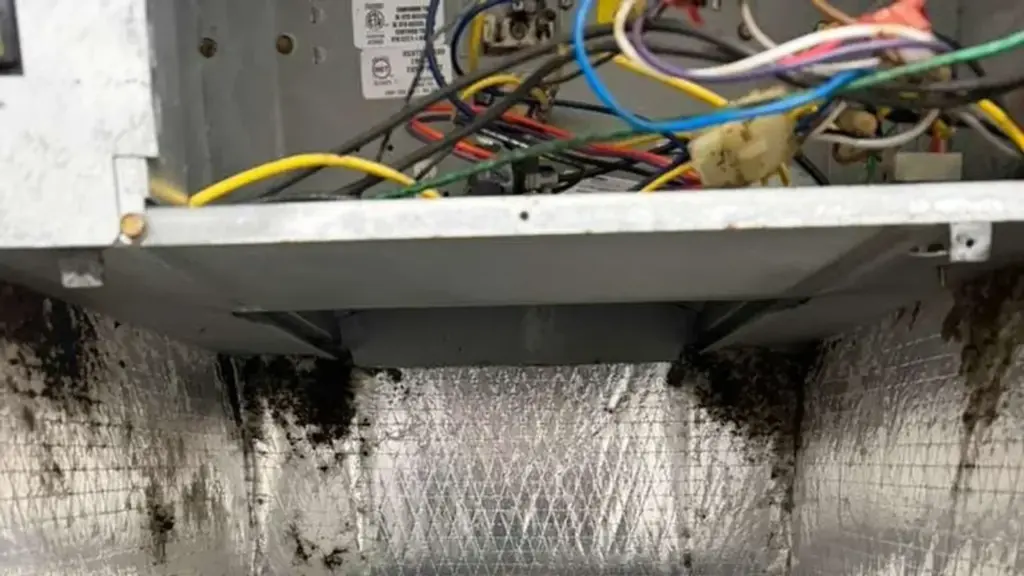
How to Keep Air Ducts Clean After a Professional Service in Tampa
You notice it a few days after the technician leaves: the air coming through your vents smells fresher, the registers look cleaner, and your AC seems to run a little easier. That freshness is worth protecting. Tampa’s subtropical climate works against you year-round, pushing humidity, pollen, and fine debris back into your ductwork faster than it would in drier parts of the country. This checklist gives Tampa homeowners a concrete routine for keeping that clean-duct feeling lasting as long as possible.
1. Filter Maintenance Checklist
Your air filter is the single most effective barrier between your freshly cleaned ducts and the particulates circulating through your home. Neglecting it undoes professional work faster than almost anything else.
- Check your filter every 30 days by holding it up to a light source, if light barely passes through, replace it immediately.
- Replace standard 1-inch filters every 30 to 60 days in Tampa homes, where AC systems run nearly year-round and accumulate debris faster than seasonal climates.
- Upgrade to a MERV 8 to MERV 11 rated filter to capture fine dust, pollen, and mold spores without restricting airflow enough to strain your air handler.
- Avoid MERV 13 or higher filters unless your HVAC system is specifically rated for them, overly restrictive filters can reduce airflow and cause the system to work harder, drawing more debris into return ducts.
- Keep a small stock of replacement filters on hand so a busy week never becomes a reason to run on a clogged filter.
- Note the filter change date on the filter frame itself with a marker so you always know when it was last swapped.
2. Vent and Register Care Checklist
Supply and return registers are the entry and exit points of your duct system. Keeping them clear and clean reduces the amount of debris that migrates back into the ductwork between professional services.
If you want it handled correctly the first time, consider professional air duct cleaning in Tampa.
- Vacuum supply and return vent covers monthly using a brush attachment, dust builds up on fins and gets pulled inward with airflow.
- Remove vent covers every three to four months and wash them with warm soapy water, letting them dry fully before reinstalling.
- Check that no furniture, rugs, curtains, or stored items are blocking supply or return registers, restricted airflow increases static pressure and can pull more particulates through gaps in ductwork joints.
- Inspect the area around return air grilles for visible dust accumulation on the surrounding wall or ceiling, heavy buildup there is an early indicator that your filter needs attention.
- Make sure all registers are open and directing airflow properly; closing off rooms forces pressure imbalances that stress duct seams over time.
3. Humidity and Moisture Control Checklist
This is the checklist section that separates Tampa homeowners from those in drier climates. Humidity is the primary reason duct contamination cycles faster here than almost anywhere else in the continental United States. For a deeper look at how moisture drives particulate buildup, see why Tampa humidity accelerates duct contamination.
- Keep indoor relative humidity between 45% and 55% year-round, use a basic hygrometer (available at hardware stores) to monitor this in your main living area.
- Run your AC on a consistent schedule rather than switching it off for long stretches; allowing interior temperatures to rise dramatically invites condensation on cooled duct surfaces when the system kicks back on.
- Inspect your condensate drain line every 90 days for clogs, a backed-up drain can allow moisture to accumulate near the air handler and wick into ductwork, creating conditions where mold can take hold.
- If your home consistently runs above 60% relative humidity even with the AC running, consider a whole-home dehumidifier sized for your square footage, your HVAC technician can advise on appropriate capacity.
- After any flooding event, heavy roof leak, or plumbing failure near ductwork, schedule an inspection before assuming the ducts are unaffected, moisture intrusion is not always visible from outside the duct.
- Ensure bathroom exhaust fans and kitchen range hoods vent directly to the exterior, not into attic spaces where humid air can find its way into duct penetrations.
4. Tampa-Specific Considerations Checklist
Many Tampa homeowners rely on expert air duct cleaning in Tampa for exactly this.
Tampa’s housing stock, local climate patterns, and construction norms create duct maintenance challenges that generic national advice simply does not address. Homes built before the mid-1990s often have flex duct runs in unconditioned attic spaces, where summer temperatures can exceed 130°F and accelerate material degradation. Newer construction may use rigid metal trunk lines with flex branch runs, but improper installation or settling over time creates sag points where debris and condensation collect.
- Inspect accessible attic duct runs once a year for visible sags, disconnections, or torn outer insulation jackets, sagging flex duct restricts airflow and collects debris at low points.
- Check that attic insulation has not been disturbed around duct penetrations; gaps allow unconditioned attic air (loaded with fiberglass particles and dust) to enter the duct system.
- After Tampa’s active storm season (June through November), inspect any exterior duct terminations, dryer vent caps, and fresh-air intake grilles for debris, nesting material, or storm damage.
- If your home was built between the 1960s and early 1980s, be aware that some older duct systems used materials that can deteriorate with age, schedule a professional ductwork inspection if you have never had one, rather than assuming the interior is intact.
- Tampa’s heavy pollen seasons (primarily late winter through spring) coincide with periods when many homeowners open windows for brief cool spells, if you do open windows, plan a filter check immediately afterward rather than waiting for your regular schedule.
- Homes near Tampa Bay or Old Tampa Bay face slightly elevated airborne salt and moisture levels; coastal homeowners should inspect metal register covers and air handler components for early corrosion signs annually.
5. Scheduling and Professional Oversight Checklist
A maintenance routine does not replace periodic professional service, it extends the interval between services and ensures you get full value from each one. Knowing when to call a professional is as important as the daily habits you build. If you are unsure whether your home is already showing signs that a new service is due, this checklist of warning signs can help you decide before the next scheduled appointment.
- Log the date of your last professional duct cleaning and set a calendar reminder for your next evaluation, most Tampa homes benefit from professional service every two to four years, though homes with pets, renovation activity, or occupants sensitive to airborne particles may benefit from a shorter interval.
- Schedule a professional dryer vent cleaning at least once per year, separately from your air duct service, lint accumulation in dryer vents is a fire risk and is not addressed during standard duct cleaning.
- After any significant renovation, remodeling, or construction work inside the home, schedule an inspection before running the HVAC system extensively, construction dust bypasses filters and coats duct interiors quickly.
- If you notice a sudden increase in dust on surfaces, a musty odor from vents, or visible debris blowing from registers, contact a professional for an assessment rather than waiting for the next scheduled service.
- Keep a simple log (a notes app works fine) of filter change dates, any unusual odors or airflow changes, and service dates, this history helps a technician identify patterns and give you more accurate service recommendations.
- When budgeting for home maintenance, treat duct care as a recurring line item rather than a one-time fix; for context on what drives service pricing, understanding the cost factors for duct cleaning in Tampa helps you evaluate quotes accurately.
Ready for the next step? Learn how air duct cleaning services in Tampa can help and reach out to the team.
Frequently Asked Questions
How soon after a professional cleaning should I change my air filter?
Change your filter immediately after a professional duct cleaning service, or confirm the technician installed a fresh one before leaving. The cleaning process dislodges fine particles that settle into the filter quickly during the first few operating hours, and starting with a clean filter ensures those particles are captured rather than recirculated.
Can I clean my own ducts between professional services?
Light maintenance, such as vacuuming register covers and the visible first few inches of a duct opening, is reasonable for homeowners. Deep interior duct cleaning requires professional-grade negative-pressure equipment to be effective and to avoid redistributing debris throughout the system, so that work should stay with a qualified technician.
Does running the AC constantly in Tampa help or hurt duct cleanliness?
Consistent AC operation generally helps, because it maintains stable indoor temperatures and humidity levels that discourage moisture accumulation inside ducts. Allowing the system to sit idle for extended periods in Tampa’s heat can allow humidity to rise and condensation to form on cooled duct surfaces when the system restarts, which is more problematic than steady operation.
Keeping your ducts clean after a professional service is mostly a matter of consistent small habits: fresh filters, clear registers, controlled humidity, and a scheduled check-in with a professional when the time comes. For a full overview of how duct cleaning fits into your Tampa home’s long-term HVAC health, the complete Tampa air duct cleaning guide covers everything from service frequency to what a thorough cleaning actually involves. When you are ready to schedule your next service or want a professional assessment of your current duct condition, contact Ecovent Dryer Duct Solutions to set up an appointment.