
The Homeowners Guide to Air Duct Cleaning in Tampa
Tampa homeowners face a unique set of indoor environmental challenges. Between the intense Gulf Coast humidity, year-round air conditioning use, and fine coastal sand, our home ventilation systems handle an immense workload. Over time, these environmental factors contribute to a steady accumulation of debris inside your heating, ventilation, and air conditioning (HVAC) system. Understanding how professional air duct cleaning in Tampa works, what it targets, and how it protects your indoor space is essential for maintaining a clean, comfortable, and energy-efficient household.
Your AC Ducts Are Not Passive Pipes
The Active Role of Ventilation
Many homeowners view their ductwork as simple, static metal tubes running through the attic or crawlspace. In reality, your ventilation network acts as the respiratory system of your household. The system continuously draws air from your living spaces, conditions it for temperature, and distributes it back through your supply registers. During this constant cycle, any loose particle in your air has the potential to settle inside the duct network.
How Airflow Dynamics Affect Dust Settling
Air velocity fluctuates as it moves through different sections of your ductwork. In wider plenums or near sharp bends, the air slows down slightly, allowing suspended particulate matter to drop out of the airstream and settle onto the duct walls. This process is accelerated in local coastal environments where moisture levels remain high, creating a slightly sticky surface inside the ducts that catches passing debris more easily.
The Accumulation Cycle
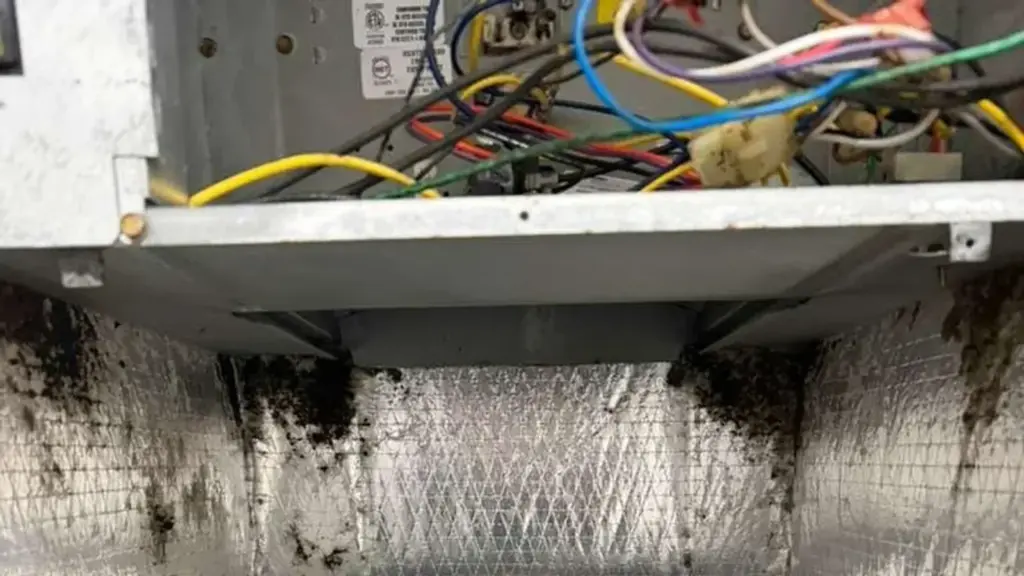
Once a thin layer of dust adheres to the interior lining of your ducts, it acts as a magnet for additional particles. Pet dander, fabric fibers, outdoor pollen, and skin flakes gradually bind to this initial layer. Over several years, this cycle creates a noticeable accumulation of debris that can restrict airflow, decrease system efficiency, and constantly recirculate through your living spaces every time the air conditioner cycles on.
Why Tampa Humidity Accelerates Duct Contamination
Living in Hillsborough County means dealing with high relative humidity for a large portion of the year. While your air conditioner is designed to dehumidify as it cools, the sheer volume of moisture in our local climate creates unique challenges for residential duct systems.
The Dew Point Dilemma in Attics
Most residential ductwork in Florida runs through unconditioned attic spaces, where temperatures can easily surpass 120 degrees Fahrenheit in the summer. When cool air travels through these ducts, the temperature difference between the inside of the duct and the hot attic air can cause condensation to form on both the interior and exterior surfaces of the system. This moisture acts as an adhesive, binding dry dust particles into a thick, compacted layer that is difficult to remove without specialized physical agitation tools.
Organic Growth Risks in Damp Environments
Moisture and darkness are the two primary ingredients required for organic growth. When dust, which contains organic materials like skin flakes and outdoor pollen, settles in a damp duct, it provides a viable food source for microscopic spores. Regular professional air duct cleaning is an effective way to remove these accumulated organic food sources, helping you maintain a clean, dry, and healthy ventilation system.
Impact on Duct Insulation and Integrity
Persistent moisture can also degrade the physical components of your duct system. Fiberglass duct board and flexible duct linings can absorb moisture, leading to structural softening and sagging. Once the structural integrity of these materials is compromised, they become much more prone to catching debris and harboring persistent musty odors that are distributed throughout your entire home.
The Multi-Step Professional Duct Cleaning Process
A thorough cleaning of an HVAC system requires specialized equipment and a systematic approach. Professional technicians follow a strict protocol to ensure that all loose debris is safely contained and extracted from your home without contaminating your living spaces.
System Assessment and Inspection
Before any equipment is turned on, the technician performs a comprehensive visual inspection of the entire duct system. Using specialized cameras and high-intensity lights, they check for structural damage, loose joints, damp spots, and the overall level of debris accumulation. This step ensures that the ductwork is structurally sound enough to withstand the cleaning process without sustaining damage.
Establishing Negative Pressure
This is the foundation of a high-quality clean. The technicians connect a powerful, truck-mounted or portable vacuum system equipped with High-Efficiency Particulate Air (HEPA) filtration to your main duct trunk line. This vacuum pulls a continuous stream of air through the system, creating a powerful negative pressure environment. When debris is dislodged during the cleaning process, this negative pressure ensures that all particles are drawn directly into the vacuum collection system rather than escaping through your registers into your rooms.
Agitation and Extraction
With the vacuum running, the technician inserts specialized agitation tools, such as rotating brushes, air whips, and pneumatic skipper nozzles, into each individual branch run. These tools physically scrub and sweep the interior walls of the ducts, dislodging the compacted layers of dust and debris. The continuous negative pressure pulls this dislodged material back to the main collection unit, safely removing it from your home.
Comparing Duct Materials and Cleaning Methods
Not all duct systems are constructed from the same materials. The cleaning approach must be tailored to the specific type of ductwork installed in your home to prevent physical damage during the process.
| Duct Material | Commonly Found In | Cleaning Considerations | Recommended Agitation Tools |
|---|---|---|---|
| Sheet Metal | Older homes, main trunk lines | Highly durable, smooth interior walls, easy to sanitize | Stiff rotating brushes, pneumatic air whips, manual scrapers |
| Fiberglass Duct Board | Modern residential systems, distribution boxes | Porous surface, easily damaged by aggressive mechanical scrubbing | Soft-bristled brushes, gentle air contact sweeps |
| Flexible Ductwork (Flex) | Branch lines leading to individual vents | Thin plastic inner liner, highly susceptible to tearing or puncturing | Soft polymer whips, light-duty rotating brushes, high-volume air sweeps |
Our experienced team at Ecovent Dryer Duct Solutions Tampa understands these material differences. We carefully calibrate our tools and vacuum pressure to ensure your system is cleaned thoroughly without risking tears in flexible lines or gouging fiberglass insulation boards.
Five Signs Your Tampa Home Needs Duct Cleaning
If you want it handled correctly the first time, consider professional air duct cleaning in Tampa, FL 33609.
While many HVAC professionals recommend inspecting your system every few years, several distinct signs indicate that your home is overdue for a professional ventilation service.
1. Rapid Dust Accumulation on Furniture
If you find yourself wiping down tables, shelves, and electronic screens only to see a thin layer of dust settle again within 24 to 48 hours, your ventilation system may be recirculating trapped debris. When the ductwork is full of dust, every cycle of your air conditioner acts as a leaf blower, pushing fine particles back into your living spaces.
2. Persistent Musty Odors When the AC Cycles On
A damp, earthy, or stale smell that coincides with your air conditioner starting up is a strong indicator of organic growth or moisture buildup within your ductwork. Since Tampa homes rely heavily on cooling, these odors can quickly spread through the entire house, indicating that the system needs a deep clean to remove the damp organic material causing the smell.
3. Visible Dust and Debris on Vent Covers
Take a close look at your supply registers and return grilles. If you notice dark, fuzzy buildup clinging to the slats or gray streaks on the ceiling surrounding the vents, this is a clear sign that the air passing through is carrying a heavy load of particulate matter. This external buildup is merely a small fraction of what is typically settled inside the ductwork behind the vent cover.
4. Uneven Airflow and Hot Spots
Over time, heavy blockages of dust, pet hair, and debris can physically restrict the volume of air flowing through specific branch lines. If you notice that one bedroom remains consistently warmer than the rest of the house, or if you feel weak airflow coming from certain vents, a professional inspection can determine if a physical blockage is the culprit.
5. High Utility Bills and Reduced HVAC Efficiency
When dust coats the internal components of your HVAC system, including the evaporator coil, blower motor, and duct walls, it acts as an insulating barrier. This forces your system to run longer and work harder to achieve your desired indoor temperature. Investing in regular hvac cleaning tampa can help restore optimal airflow, reducing the strain on your equipment and helping you manage your monthly cooling costs.
Maintaining Your System After a Professional Clean
Once your duct system is clean, implementing a few straightforward maintenance habits will help keep your indoor air fresh and extend the time needed between professional cleanings.
Choose the Right Air Filters
Your air filter is your system’s primary line of defense. Avoid cheap, fiberglass filters that only protect the blower motor from large debris. Instead, opt for pleated filters with a Minimum Efficiency Reporting Value (MERV) rating between 8 and 11. These filters capture much smaller particles, including pollen and pet dander, preventing them from entering your duct system in the first place.
Establish a Consistent Replacement Schedule
In our warm climate, air conditioning systems run almost constantly for months on end. This means filters clog much faster than they would in cooler regions. Check your filter every 30 days and replace it as soon as it appears gray or dusty. At a minimum, filters should be changed every 60 to 90 days depending on whether you have pets or residents with sensitive airways.
Address Dust and Moisture at the Source
Regular household cleaning plays a significant role in keeping your ducts clean. Vacuum your rugs and carpets weekly with a HEPA-filtered vacuum, and use damp cloths rather than dry feather dusters, which simply kick dust back into the air. Additionally, run your bathroom exhaust fans during and after showers, and use your kitchen range hood while cooking to keep humidity levels down and prevent excess moisture from migrating into your return vents.
Schedule Regular HVAC Maintenance
A professional HVAC technician should inspect your entire heating and cooling system at least once a year. During this routine visit, they will clean the evaporator coil, clear the condensate drain line, and check for any physical gaps or leaks in your ductwork. Sealing leaky ducts prevents dusty attic air from being pulled directly into your home’s air supply.
Frequently Asked Questions
How often should air ducts be cleaned in Tampa?
For most households in the local area, having your ducts professionally cleaned every three to five years is sufficient. However, if you have multiple shedding pets, have recently completed a major home renovation project, or notice persistent musty odors, you may benefit from more frequent inspections.
Will cleaning my air ducts create a mess in my home?
When performed correctly by a qualified technician, the process should not create a mess in your living spaces. By establishing powerful negative pressure with a HEPA-filtered vacuum, all dislodged dust and debris are drawn directly out of the ducts and into a secure collection system, keeping your rooms clean throughout the service.
Can I clean my own air duct system?
While homeowners can easily wipe down registers, wash vent covers, and vacuum immediately inside the register openings, a thorough cleaning requires specialized high-powered vacuum systems and flexible agitation tools. Attempting to clean deep inside your ducts with household vacuums can push debris deeper into the system, damage fragile flexible ducting, or release trapped dust into your living areas.
How long does a professional duct cleaning service take?
The duration of the service depends on the size of your home, the number of cooling zones, and the level of debris accumulation. On average, a thorough cleaning for a single-family home in the Tampa area takes between three and five hours to complete properly.
Experience the Ecovent Difference
Keeping your home comfortable and your indoor air clean requires attention to detail and a thorough understanding of Florida’s unique coastal environment. If you want to restore the efficiency of your heating and cooling system and keep your indoor spaces feeling clean, contact our local team to schedule your air duct cleaning today.