
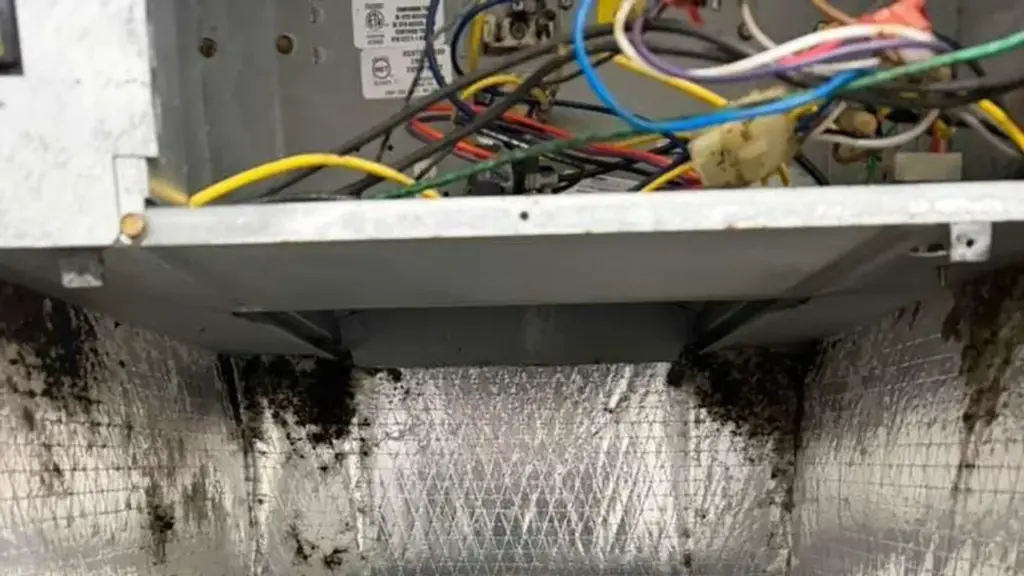
Air Duct Replacement in Tampa: The Complete Clean-or-Replace Guide
You adjust the thermostat, hear the AC kick on, and notice the airflow from the nearest vent is barely a whisper. Or maybe there’s a faint musty smell that disappears once you leave the room. In Tampa, where the AC runs almost every month of the year, those small signals often trace back to the ductwork hidden inside your walls and attic. This guide walks through every meaningful indicator so you can walk into a service call knowing whether you need air duct cleaning, AC duct repair, or a full air duct replacement in Tampa.
Why Tampa Ductwork Ages Differently Than in Other Climates
Tampa’s subtropical heat and near-constant humidity create conditions that are genuinely hard on ductwork. Most homes in Hillsborough County and the surrounding area run their air conditioning eight to ten months a year, which means ducts are cycling through temperature swings and condensation far more often than a home in a temperate northern climate would experience in the same calendar period.
Older flex duct, which is common in Tampa homes built before the mid-2000s, uses a foil-and-plastic inner liner that degrades when it stays warm and damp for extended periods. Attic spaces in Tampa can reach extremely high temperatures during summer afternoons, and that heat accelerates the breakdown of duct insulation and the adhesive used on connections. The result is that ductwork here often shows meaningful wear earlier in its service life than manufacturers’ general estimates suggest. If your home was built before roughly 2000 and the ductwork has never been addressed, age alone is worth factoring into your decision. See what drives Tampa duct deterioration for a deeper look at the local environmental factors at play.
Damaged Ductwork Symptoms: What to Watch and Listen For
Ductwork rarely announces its problems loudly. More often, the symptoms are patterns you notice over weeks rather than a single obvious failure. The following are the most reliable indicators that something is wrong inside the system.
Airflow and Temperature Inconsistencies
Rooms that never reach the set temperature, or that cool down significantly slower than the rest of the house, often have a supply duct that is partially disconnected, crushed, or blocked. In a Tampa home where the AC is working hard against summer heat, a single detached flex duct section can make an entire bedroom feel like a different climate zone. If you notice that certain rooms are consistently warmer than others and the pattern does not change when you adjust the thermostat, that is a stronger signal of a duct problem than an HVAC equipment issue.
Unusual Sounds and Odors
A rattling or flapping sound when the system starts up can indicate loose duct sections or a liner that has separated from its outer wrap. A musty or stale smell, particularly one that is strongest right when the system turns on and fades after a few minutes, often points to microbial growth inside the ducts or on the duct liner surface. Neither sound nor smell alone confirms what the underlying problem is, but both warrant a professional inspection before you commit to any service.
Visible Dust and Debris at Registers
A light film of dust on vent covers is normal. Heavy accumulation of grey or brown debris around the register opening, or dust that visibly blows into the room when the system starts, suggests the interior duct surfaces are carrying a significant load of particulate matter. This symptom often responds well to professional cleaning, though it can also indicate that deteriorating duct liner material is shedding into the airstream, which is a replacement indicator rather than a cleaning one.
The Cleanability Checklist: Six Questions That Guide the Decision
Before scheduling any service, run through this checklist. It is the same framework a qualified technician uses during an inspection, and it will help you understand the recommendation you receive.
If you want it handled correctly the first time, consider professional air duct cleaning in Tampa.
- How old is the ductwork? Flex duct systems generally have a practical service life of 15 to 25 years under normal conditions. Tampa’s climate compresses that range. If the ducts are original to a home built before the late 1990s and have never been replaced, age is a meaningful factor regardless of visible condition.
- Is the duct liner intact? A technician inspecting with a camera or through accessible sections will look for tears, holes, or sections where the inner liner has separated from the outer insulation wrap. Intact liner means the duct is structurally cleanable. Compromised liner means debris and conditioned air are both escaping into the attic or wall cavity.
- Are the connections secure? Joints at the air handler, at branch takeoffs, and at register boots are the most common failure points. A disconnected section cannot be cleaned back into proper function; it needs to be reconnected or replaced.
- Is there evidence of pest activity? Rodents and insects use ductwork as travel routes and nesting areas in Tampa homes, particularly in attic-run systems. If an inspection reveals nesting material, droppings, or gnaw damage, the affected sections typically need replacement rather than cleaning, because the structural damage from pest activity is rarely limited to the surface.
- What is the nature of the contamination? Dust and debris accumulation is cleanable. Visible mold growth on duct surfaces, or confirmation of mold by testing, changes the calculus significantly. Porous flex duct material that has developed surface mold is generally not considered fully restorable by cleaning alone, and replacement is the more reliable path forward.
- Has the system had water intrusion? A roof leak, condensate drain overflow, or flooding event that reached the ductwork often causes the insulation to absorb moisture. Wet insulation does not dry out effectively inside an attic, and the resulting conditions accelerate both structural breakdown and microbial growth. Water-damaged sections almost always require replacement.
For a full comparison of how these factors play out in the service decision, compare cleaning and replacement outcomes side by side.
Duct Cleaning vs Replacement: A Direct Comparison
The table below summarizes the key conditions and which service path each one points toward. Use it alongside the checklist above, not as a standalone decision tool.
| Condition Observed | Likely Service Path | Notes |
|---|---|---|
| Heavy dust and debris, liner intact, connections secure | Professional cleaning | Standard NADCA-process cleaning is appropriate |
| Musty odor, no visible structural damage | Cleaning with inspection | Camera inspection during cleaning clarifies whether replacement is also needed |
| One or two disconnected joints, otherwise intact | AC duct repair + cleaning | Spot repair at connection points, then clean the system |
| Liner tears or separations in multiple sections | Partial or full replacement | Cleaning a torn liner moves debris into the living space rather than removing it |
| Visible mold on duct surfaces | Replacement of affected sections | Porous flex duct with active mold is not reliably restorable by cleaning |
| Pest damage (gnaw marks, nesting, droppings) | Replacement of affected sections | Structural damage and contamination typically exceed what cleaning can address |
| Water intrusion or flood damage | Replacement | Saturated insulation does not recover; replacement is the reliable fix |
| System age over 20 years, original ductwork | Inspection-first, likely replacement | Age combined with Tampa’s climate often means multiple compounding issues |
What an AC Duct Repair Covers (and When It Is Enough)
Not every duct problem requires replacing the entire system. Targeted AC duct repair in Tampa addresses specific, localized failures while leaving the rest of the system in place. Common repair scenarios include resealing joints that have pulled apart at the air handler or at branch connections, patching small punctures in the outer insulation wrap, and re-securing duct runs that have sagged away from their hangers in the attic.
Repair makes sense when the overall duct system is structurally sound and the failure is genuinely isolated. A technician who identifies a single disconnected takeoff on an otherwise intact 12-year-old flex duct system is looking at a repair situation. The same technician finding that four out of eight branch runs have compromised liners is looking at a replacement situation, because repairing each individual failure point on aging material tends to produce diminishing returns as other sections fail in subsequent seasons.
If you want to understand what the inspection process looks like before committing to any service, read through the Tampa duct inspection process so you know what a thorough assessment should cover.
Signs That Point Directly to Full Air Duct Replacement in Tampa
Many Tampa homeowners rely on expert air duct cleaning in Tampa for exactly this.
Some findings during an inspection move the decision past cleaning or repair and into replacement territory. These are the clearest ones.
Systemic Liner Deterioration
When the inner plastic liner of flex duct has become brittle and is cracking or flaking, the debris entering the airstream is the duct material itself. Cleaning cannot reverse material degradation; it can only temporarily reduce the accumulation. Homes in Tampa with original ductwork from the late 1980s or 1990s frequently show this condition, particularly in sections that run through the hottest parts of the attic.
R-Value Loss Across the System
Duct insulation that has compressed, separated, or become saturated loses its ability to keep conditioned air at the right temperature as it travels from the air handler to the registers. When this happens across most of the system rather than in isolated spots, the energy penalty is ongoing and replacement is the only way to restore proper insulation performance. Homeowners often notice this as a persistent gap between what the thermostat is set to and what the rooms actually feel like, combined with noticeably higher utility bills during peak cooling months.
Repeated Repair History
If the same duct system has needed repairs multiple times over a relatively short span, that pattern is a meaningful signal. Aging ductwork in Tampa’s climate tends to fail at multiple points in a compressed timeframe once it starts showing wear, because the underlying material degradation is systemic rather than localized. A history of recurring repairs often means the next repair is already forming somewhere else in the system.
For a thorough look at what drives these failure patterns in Tampa homes specifically, review the warning signs of failing AC ductwork before your next inspection.
What to Expect During a Professional Duct Service in Tampa
Whether the service turns out to be cleaning, repair, or replacement, the process starts the same way: a thorough inspection. A qualified technician will access the system at the air handler, use a camera or inspection light to assess duct condition, check connections at branch takeoffs and register boots, and look for any evidence of moisture, pest activity, or liner damage.
For a cleaning service, the NADCA process involves putting the system under negative pressure using a collection device at the air handler, then agitating debris in each duct section so it travels toward the collection point rather than into the living space. Every register and return grille is addressed, and the air handler cabinet is typically cleaned as part of the service.
For a replacement, the existing ductwork is removed and new material, typically modern flex duct with current insulation ratings or rigid metal duct depending on the application, is installed and sealed at every connection. The system is then tested for airflow balance and any obvious leakage before the job is considered complete.
If you want to understand what drives the investment in new ductwork, explore the factors that affect new ductwork costs in Tampa so you can evaluate quotes with the right context.
Ready for the next step? Learn how air duct cleaning services in Tampa can help and reach out to the team.
Frequently Asked Questions
How do I know if my Tampa home needs duct cleaning or full replacement?
The key factors are duct age, liner condition, connection integrity, and the nature of any contamination present. Intact ductwork with accumulated dust and debris is typically a cleaning candidate. Ductwork with structural damage, pest intrusion, water damage, or visible mold on the liner surface generally needs replacement in the affected sections. A camera inspection by a qualified technician is the most reliable way to get a clear answer for your specific system.
Can dirty ducts cause my AC to work harder in Tampa’s heat?
Yes, in two ways. Heavy debris accumulation can restrict airflow through the system, which forces the air handler to work against greater resistance. Separately, ducts with compromised insulation or unsealed connections lose conditioned air before it reaches the registers, which means the equipment runs longer cycles to compensate. Both conditions are addressable, though the right service depends on which problem is present.
How often should Tampa homeowners have their air ducts cleaned?
The NADCA guideline suggests professional cleaning every three to five years under typical conditions, but Tampa’s climate and the near-constant AC use here mean many households benefit from staying toward the shorter end of that range. Homes with pets, recent renovation work, or known moisture issues may warrant more frequent attention. An inspection can help establish the right interval for a specific system.
What happens if I ignore damaged ductwork symptoms?
Deteriorating ductwork tends to get worse rather than stabilize on its own, particularly in Tampa’s heat. Loose connections allow conditioned air to escape into unconditioned attic space, which raises energy use. Damaged liner material can shed debris into the airstream over time. And moisture-related problems that go unaddressed create conditions that are more involved to remediate the longer they continue. Addressing symptoms early generally leads to simpler, less extensive service.
Is flex duct or rigid metal duct better for Tampa homes?
Both materials are used in Tampa residential systems, and both can perform well when properly installed and maintained. Rigid metal duct is more durable and easier to clean thoroughly, but it requires more labor to install and is less practical in some attic configurations. Modern flex duct with appropriate insulation ratings is a reasonable choice for many applications, provided it is installed with proper support, sealed connections, and adequate insulation value for the local climate. The right choice depends on the specific layout and conditions of the home.
Will new ductwork noticeably change how my home feels?
Homeowners replacing significantly deteriorated ductwork often notice that rooms which previously felt inconsistent become more even in temperature. Airflow at registers typically improves when connections are properly sealed and liner integrity is restored throughout the system. The degree of change depends on how compromised the existing system was, but meaningful improvement in comfort and system efficiency is a common outcome when the old ductwork was genuinely failing.
Making the Right Call for Your Tampa Home
The decision between air duct cleaning, AC duct repair, and full air duct replacement in Tampa comes down to what an honest inspection actually finds inside your system. Age, liner condition, connection integrity, and contamination type are the four factors that matter most, and none of them can be assessed accurately from the outside. If you have been noticing uneven airflow, unusual smells, or higher energy bills without a clear explanation, a professional inspection is the right starting point.
Ecovent Dryer Duct Solutions Tampa provides both air duct cleaning and air duct replacement services for Tampa-area homes. Contact us to schedule an inspection and get a clear picture of what your system actually needs. You can also review our full air duct replacement service page for details on what the replacement process involves from start to finish.