
How to Evaluate the Cost Factors for New Ductwork in Tampa
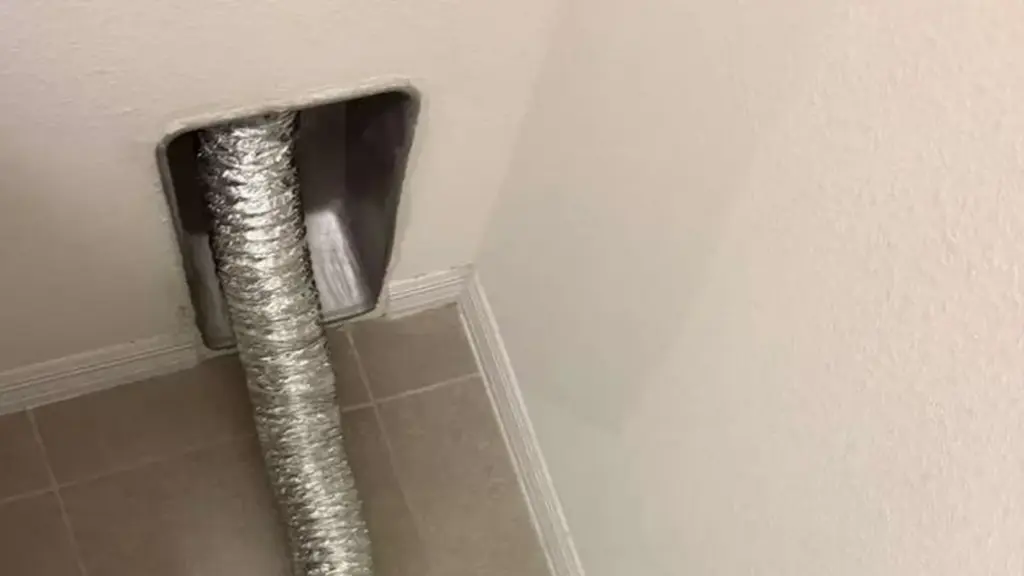
You reach up to adjust a vent and notice the flex duct above it has kinked like a garden hose, or the register grille is blowing warm air in a room that used to cool down in minutes. That moment, somewhere inside a Tampa home, is usually when the question shifts from “should I clean these ducts?” to “do I need to replace them entirely?” Once you decide replacement is the right path, the next question is just as important: what actually determines what you’ll pay?
Tampa’s housing stock, climate, and attic conditions create a specific set of variables that affect ductwork projects differently here than they would in a drier or cooler market. This guide walks you through each factor in plain terms so you can have a more productive conversation with a duct specialist and avoid surprises when a quote arrives. For a broader look at whether your system needs cleaning, repair, or full replacement, see our air duct replacement guide for Tampa homeowners.
Before You Start: What to Gather
- The approximate square footage of your home and the number of conditioned rooms.
- The age of your current ductwork (check your HVAC installation records if available).
- A rough sense of where your ducts run, attic, crawl space, interior walls, or a combination.
- Any photos or notes from a recent HVAC service call mentioning duct condition.
- Your current HVAC unit’s tonnage (usually on the data plate near the air handler).
- Whether any sections of duct have already been patched or repaired.
Having this information on hand before a technician arrives helps them give you a more accurate assessment faster. If you haven’t had a formal inspection yet, reviewing what a Tampa duct inspection covers can help you know what to expect.
Step 1: Understand How Home Size and Layout Affect Scope
The most direct driver of replacement scope is simply how much duct network your home contains. A single-story 1,200-square-foot bungalow in Seminole Heights requires far less material and labor than a two-story 2,800-square-foot home in New Tampa with supply runs reaching multiple wings. Technicians measure the linear footage of trunk lines, branch runs, and return paths to estimate material quantities.
Layout complexity matters just as much as raw size. An open-plan home with short, direct duct runs from the air handler is less labor-intensive than a home where supply lines snake through multiple interior walls and around structural beams. Every elbow, transition fitting, and offset adds material cost and installation time. If your home has a non-standard floor plan, a sunroom addition, or a converted garage, expect those areas to require custom fabrication rather than off-the-shelf flex duct sections.
Step 2: Account for Attic and Access Conditions Specific to Tampa
This is the factor Tampa homeowners most often underestimate, and it is genuinely different here compared to markets in the Midwest or Pacific Northwest. The vast majority of Tampa-area homes route their ductwork through unconditioned attic spaces. In summer, those attics routinely reach temperatures well above 130 degrees Fahrenheit. That heat accelerates the breakdown of flex duct inner liners, causes insulation to degrade, and can make older duct systems brittle and difficult to handle without causing additional damage during removal.
Attic access conditions affect labor hours significantly. A walk-up attic with a pull-down stair and reasonable clearance is far easier to work in than a low-pitch attic with blown-in insulation covering the floor joists and limited lighting. In some older Tampa neighborhoods, attics were not designed with service access in mind at all, requiring technicians to work in cramped, hot conditions for extended periods. Homes with ductwork running through interior soffits or dropped ceilings add another layer of complexity because those surfaces may need to be opened and patched.
The humidity that defines Tampa’s climate also contributes to condensation issues on poorly insulated ducts, which can lead to moisture intrusion and mold growth inside the duct lining. If a technician finds active moisture damage during removal, the scope of the project may expand to include remediation steps before new ducts can be installed. Understanding how Tampa’s environment breaks down ductwork over time is covered in more detail in the causes of duct deterioration in Tampa’s climate.
If you want it handled correctly the first time, consider professional air duct cleaning in Tampa.
Step 3: Compare Duct Material Options and Their Trade-offs
Not all ductwork is the same, and the material you choose has a real impact on both the project scope and the long-term performance of your HVAC system. The three most common options in residential Tampa installations are flexible duct, sheet metal, and fiberboard (duct board).
- Flexible duct (flex duct): The most widely used option in Tampa homes because it is relatively easy to route around attic obstacles. It consists of a wire helix core, an inner plastic liner, insulation, and an outer jacket. Properly installed and supported, it performs well. Improperly installed with sharp bends or inadequate hangers, it restricts airflow and degrades faster in attic heat.
- Sheet metal (galvanized steel): More durable and easier to clean over its lifespan. Sheet metal trunk lines paired with flex branch runs is a common hybrid approach. It costs more to fabricate and install but holds its shape, resists moisture damage better, and does not degrade the same way flex duct does in extreme heat.
- Fiberboard (duct board): Used in some older Tampa installations and for certain box plenums. It insulates well but is more susceptible to moisture absorption and can be harder to clean effectively if contamination occurs.
Your technician will recommend a material based on your attic geometry, your HVAC system’s airflow requirements, and the expected service life you want from the installation. Mixing materials strategically, such as sheet metal mains with flex branches, is common and often makes sense from both a performance and a budget standpoint.
Step 4: Factor In the Condition of Your Existing System
Full replacement is not always all-or-nothing. In some cases, the trunk lines are in serviceable condition while the branch runs have deteriorated. In others, the main supply plenum needs to be rebuilt but the return ductwork is intact. A thorough inspection determines which sections genuinely need replacement versus which can be cleaned, resealed, or left in place.
The presence of certain conditions will almost always push a project toward full replacement rather than partial repair. These include:
- Widespread mold growth inside the duct lining that cannot be remediated through cleaning alone.
- Flex duct that has collapsed, kinked severely, or lost its inner liner integrity across multiple runs.
- Rodent or pest activity that has damaged insulation and created entry points throughout the system.
- Ductwork that was originally undersized for the home’s current HVAC equipment and is causing chronic airflow imbalance.
- Systems older than 15 to 20 years showing pervasive deterioration throughout, where patching would be a short-term fix at best.
If your system falls into a gray zone, a professional inspection will help clarify which sections are worth preserving. The signs of bad AC ductwork in Tampa article outlines the symptoms that typically indicate a system has crossed the threshold from cleanable to replaceable.
Step 5: Evaluate Duct Sealing and Insulation Requirements
New ductwork is only as effective as its sealing and insulation. In Tampa’s climate, an unsealed duct joint in a hot attic leaks conditioned air into unconditioned space, which forces your AC unit to work harder and drives up your energy bills. Florida building codes require duct systems to meet specific leakage standards, and any replacement project should include proper mastic sealing or metal tape at all joints and connections.
Many Tampa homeowners rely on expert air duct cleaning in Tampa for exactly this.
Insulation level is equally important. Flex duct sold for residential use comes in different R-value ratings. In an unconditioned Tampa attic, higher R-value insulation around the duct reduces heat gain into the conditioned airstream, which directly affects how efficiently your system delivers cool air to each room. Upgrading from a lower R-value to a higher one during a replacement project adds material cost but typically pays back through improved system efficiency over time.
Some projects also require a new supply or return plenum to be fabricated. The plenum connects the air handler directly to the duct network, and if the existing one is leaking, corroded, or improperly sized, replacing it is part of getting the new system right.
Step 6: Consider Permit and Inspection Requirements in Hillsborough County
Ductwork replacement in Tampa falls under HVAC mechanical permits in Hillsborough County. Requirements vary depending on the scope of the project, and your contractor is responsible for pulling the appropriate permits and scheduling inspections. As a general rule, any project that involves replacing a significant portion of the duct system or modifying the air handler connection will require a permit.
Permitted work means a county inspector verifies the installation meets Florida’s energy code and mechanical standards. This protects you as a homeowner, ensures the work was done to code, and matters when you eventually sell the home. Always confirm with your contractor that permits are included in the project scope. Requirements can vary, so check with your local building department or ask your licensed technician for guidance specific to your address and project size.
Step 7: Get a Scope-of-Work Breakdown Before Agreeing to Anything
A reliable duct replacement quote should be itemized enough that you can see what you are paying for. A single lump-sum figure with no detail makes it difficult to compare proposals or understand where the bulk of the project cost lies. Ask your technician to break out at minimum:
- Removal and disposal of existing ductwork.
- New duct materials (type, quantity, and R-value).
- Labor hours estimated for installation.
- Plenum fabrication if applicable.
- Sealing and insulation.
- Permit fees and inspection scheduling.
- Any additional work identified during the inspection (such as air handler connections or register box replacements).
Understanding the line items also helps you make informed trade-off decisions. If budget is a constraint, a technician can walk you through which sections are most critical to address now and which could be phased into a follow-up project, rather than simply cutting corners across the whole job.
When to Call a Professional in Tampa
Evaluating ductwork is not a DIY project in most cases. While a homeowner can visually inspect accessible sections of flex duct in an attic for obvious kinks, disconnections, or torn insulation, a complete picture of system condition requires pressure testing, airflow measurement, and inspection of areas that are not easily visible without equipment.
Ready for the next step? Learn how air duct cleaning services in Tampa can help and reach out to the team.
Call a licensed duct specialist in Tampa when:
- Rooms are not cooling evenly despite a functioning AC unit.
- You notice musty or stale odors coming from supply vents.
- Your energy bills have increased without a change in usage habits.
- A previous HVAC technician flagged duct issues during a service call.
- Your ductwork is more than 15 years old and has never been inspected.
- You are replacing your AC unit and want to confirm the existing ducts are compatible with the new system’s airflow requirements.
Attempting to patch or seal ducts in a hot Tampa attic without proper training and safety precautions also carries real risk. Heat exhaustion in an unconditioned attic during summer is a genuine hazard, and working around older insulation materials requires appropriate protective equipment. Leave the hands-on work to a licensed professional.
Frequently Asked Questions
Does cleaning always cost less than replacing ductwork in Tampa?
Cleaning is generally less disruptive and involves less material cost, but it is only the right choice when the duct system is structurally sound. If ducts are collapsed, severely deteriorated, or contaminated in ways that cleaning cannot resolve, replacement is the more cost-effective long-term solution. The duct cleaning vs. replacement comparison for Tampa homes covers this decision in detail.
How long does new ductwork typically last in Tampa’s climate?
Properly installed flex duct in a conditioned or well-ventilated attic can last 15 to 25 years, though Tampa’s extreme attic heat tends to push systems toward the lower end of that range. Sheet metal ductwork generally lasts longer when properly sealed and maintained. Regular inspections help catch early deterioration before it becomes a full replacement scenario.
Will replacing ductwork require me to replace my AC unit too?
Not necessarily. New ductwork is often installed with an existing AC unit, provided the unit is properly sized for the home. However, if your current unit is near the end of its service life, it may make practical sense to coordinate both projects at once to avoid disturbing new ductwork when the unit eventually needs replacement. Your technician can assess compatibility during the inspection.
What is mastic sealant and why does it matter?
Mastic is a paste-like sealant applied to duct joints and seams to prevent air leakage. It is more durable than standard tape in high-heat environments like Tampa attics, where adhesive tapes can dry out and fail over time. Properly applied mastic at every joint is a mark of a quality installation and is required to meet Florida’s energy code leakage standards.
Making a Confident Decision About Your Tampa Ductwork
Ductwork replacement is one of the more significant home improvement projects a Tampa homeowner can undertake, but it does not have to be a confusing one. When you understand what drives the scope and complexity of a project, including home size, attic conditions, material choices, existing system condition, and code requirements, you are in a much stronger position to evaluate a quote and ask the right questions.
The goal is a duct system that delivers conditioned air efficiently to every room, holds up against Tampa’s heat and humidity, and does not require emergency attention for years to come. To schedule an inspection or get a scope-of-work assessment from a local specialist, visit our Tampa air duct replacement service page and request a consultation. If you are still weighing your options, the signs your Tampa AC ductwork needs attention article is a good next step.