
Dryer Vent Installation Mistakes Tampa Homeowners Make (And What Each One Costs You)
Most people assume a dryer vent is just a simple tube running from the back of the machine to the outside wall. In Tampa’s climate, that assumption leads to real problems. Improper dryer vent installation is one of the most common causes of reduced airflow, excess moisture buildup, and debris circulation through a home’s duct system. And because the mistakes are hidden inside walls and crawlspaces, many Tampa homeowners don’t realize anything is wrong until the damage is already done.
This comparison guide breaks down the most frequent installation errors, explains how each one plays out differently in Tampa’s humid, high-use environment, and helps you decide whether a professional correction is the right next step. If you’ve noticed your dryer taking longer than usual, musty odors near vents, or rising energy use, the installation itself may be the root cause rather than the appliance.
The Two Approaches: DIY Installation vs. Professional Dryer Vent Installation
When a dryer is moved, replaced, or first installed, Tampa homeowners typically face a choice: handle the vent run themselves or hire a licensed technician. Both paths are common, and both can produce good results when executed correctly. The difference lies in the details that are easy to overlook without hands-on experience with local building conditions.
DIY installation is appealing because the materials are inexpensive and the concept seems straightforward. A professional installation costs more upfront but accounts for factors like duct length limits, proper exhaust hood placement, Tampa’s exterior humidity, and building code requirements that vary across Hillsborough County. The comparison table below lays out how each approach handles the most critical installation variables.
The Most Damaging Dryer Vent Installation Mistakes in Tampa
Before comparing approaches, it helps to understand what the common mistakes actually are. Each one creates a specific failure mode that compounds over time, particularly in a subtropical environment where heat and moisture are constants.
Using Flexible Plastic or Foil Accordion Duct
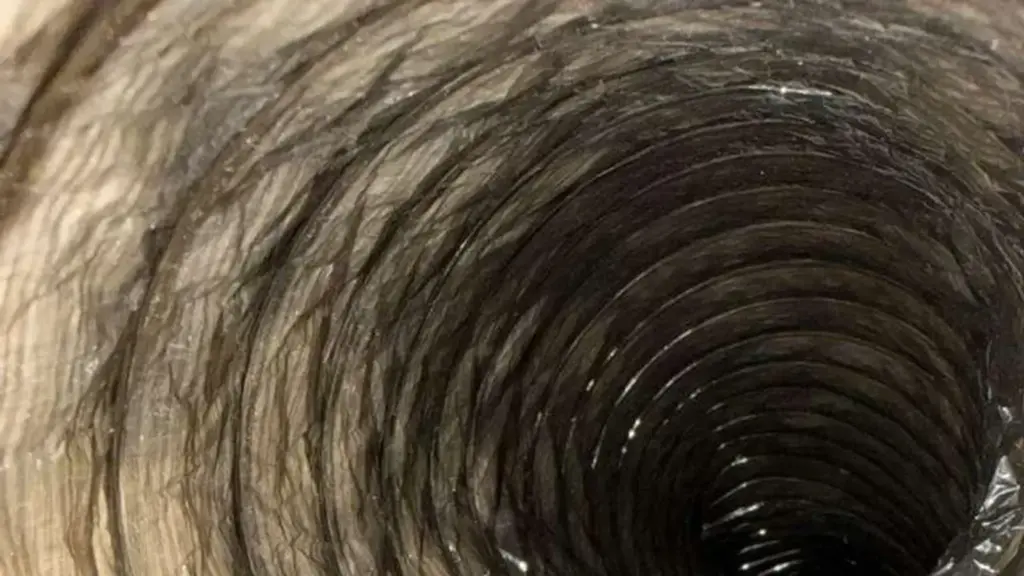
Plastic flexible duct and thin foil accordion-style duct are widely sold at home improvement stores, and they’re frequently used in DIY installations because they’re easy to work with. The problem is that their ridged interior surface traps lint at every fold. In Tampa’s heat, lint accumulation accelerates, and the plastic itself can degrade. Rigid metal duct or semi-rigid aluminum is the industry-standard material for a reason: the smooth interior sheds lint rather than collecting it, and it holds up to the exhaust temperatures a dryer produces.
Runs That Are Too Long or Have Too Many Bends
Every foot of duct run and every elbow reduces the airflow pressure that pushes lint and moisture out of the home. Most dryer manufacturers specify a maximum equivalent run length, and each 90-degree bend typically subtracts a fixed amount from that allowance. Tampa homes built in the 1970s through 1990s often have laundry rooms positioned far from an exterior wall, which means the duct run is long by necessity. When bends are added to navigate around framing or HVAC equipment, the total equivalent length can easily exceed what the dryer can push through. The result is poor exhaust, longer dry times, and lint that settles inside the duct instead of exiting the home.
If you want it handled correctly the first time, consider professional air duct cleaning in Tampa.
Improper Exterior Hood or Termination Point
The exterior termination matters more in Tampa than in drier climates. A louvered hood that doesn’t seal properly when the dryer is off allows humid outdoor air to flow back into the duct. That moisture condenses inside the duct, mixes with accumulated lint, and creates the kind of damp debris that is difficult to clear without professional equipment. Some installations terminate into a soffit, an attic space, or even a crawlspace, which is a code violation in most jurisdictions and a direct path for moisture and debris to enter the home’s structural envelope.
Screws or Fasteners Penetrating the Duct Interior
Sheet-metal screws are a common way to connect duct sections, but when the screw tip protrudes into the interior of the duct, it becomes a lint-catching point. Over time, lint wraps around the screw tip and builds a blockage. Professional installations use foil tape or crimped connections that keep the interior surface smooth and unobstructed.
Failure to Secure or Support the Duct Run
An unsupported duct run can sag, kink, or separate at joints over time, especially in Tampa’s older housing stock where floor joists and wall cavities have settled. A sagging section creates a low point where moisture collects. A separated joint exhausts hot, moist air directly into a wall cavity or crawlspace, which can contribute to the kind of moisture and dust conditions that eventually affect the broader duct system. For more on how moisture-driven debris moves through a home’s ventilation, see how Tampa’s humidity circulates dust through duct systems.
Comparison: DIY vs. Professional Dryer Vent Installation
| Criteria | DIY Installation | Professional Installation |
|---|---|---|
| Duct material selection | Often flexible plastic or foil accordion; depends on homeowner knowledge | Rigid or semi-rigid metal duct selected to match run length and appliance specs |
| Run length and bend calculation | Frequently eyeballed; manufacturer limits often not consulted | Calculated against manufacturer specs and local code requirements |
| Exterior termination | Variable; louvered hoods sometimes installed without backdraft damper verification | Proper exhaust hood with functioning damper, correctly positioned away from HVAC intakes |
| Interior connection method | Screws commonly used; may protrude into duct interior | Foil tape or crimped joints; smooth interior surface maintained |
| Duct support and routing | May sag or kink in long runs; joints can separate over time | Secured at regular intervals; routed to minimize bends and maintain slope |
| Compliance with local codes | Homeowner responsible; Tampa-area requirements not always known | Installed to current Florida Building Code and Hillsborough County requirements |
How Tampa’s Climate Makes These Mistakes Worse
Tampa sits in a subtropical zone where outdoor humidity regularly runs above 70 percent for most of the year. That baseline moisture level changes the math on every dryer vent installation mistake listed above.
In a drier climate, a slightly undersized duct run or a loosely fitted hood might go unnoticed for years. In Tampa, the same imperfection allows humid air to infiltrate the duct during every off-cycle. That moisture combines with lint to form a dense, sticky buildup that standard cleaning equipment struggles to clear. Homes built before the 1990s often used shorter joist cavities and tighter wall spaces, which pushed installers toward more bends and longer runs. Many of those original installations were never updated when the dryers themselves were replaced.
The connection to a home’s broader air quality is direct. When a dryer vent leaks into a wall cavity or crawlspace, the warm, lint-laden exhaust creates conditions that feed into the HVAC return pathway. Homeowners often notice the effects on their HVAC system before they trace the problem back to the dryer vent. That’s a key reason why professional air duct cleaning in Tampa often uncovers debris that originated from a compromised dryer vent installation rather than from the HVAC system itself.
Many Tampa homeowners rely on expert air duct cleaning in Tampa for exactly this.
Tampa’s long cooling season also means the air conditioning runs for the better part of nine months. A dryer vent that exhausts improperly near an AC condenser or return-air intake can feed warm, moist air directly into the cooling system, reducing efficiency and increasing wear on components.
Which Is Right for Tampa Homes: Correcting a Bad Installation or Starting Fresh?
The answer depends on what’s already in place and how long it’s been there. If the existing duct run uses flexible plastic duct, has more than two 90-degree bends, or terminates into an unconditioned space, a full replacement of the vent run is almost always the more practical choice. Patching a fundamentally flawed route rarely produces lasting results.
If the duct material is already semi-rigid or rigid metal and the route is reasonably direct, a professional inspection can determine whether the issues are limited to connection points, the exterior hood, or accumulated blockages. In that case, targeted repairs combined with a thorough cleaning may restore the system to proper function without a full reinstallation.
Either way, the starting point is an accurate picture of what the existing installation looks like. A camera inspection of the duct interior reveals buildup, separation at joints, and any points where the duct has collapsed or kinked. That information makes the repair-versus-replace decision straightforward rather than a guess.
Once the dryer vent is corrected, it’s worth evaluating whether the HVAC duct system has accumulated debris from the period when the dryer vent was compromised. See our guide to the real cost of neglected air duct cleaning for a detailed look at how delayed cleaning affects system performance and operating costs over time.
For homeowners who have already addressed the installation but are wondering whether routine maintenance is worth the investment, whether dryer vent cleaning is worth it in Tampa covers that question directly. And if you’ve noticed physical signs of wear beyond just performance issues, the signs your Tampa dryer vent needs repair walks through what to look for before a minor issue becomes a larger one.
Frequently Asked Questions
Ready for the next step? Learn how air duct cleaning services in Tampa can help and reach out to the team.
What type of duct material should a dryer vent in Tampa use?
Rigid metal duct is the preferred material for dryer vent installations because its smooth interior surface doesn’t trap lint the way flexible accordion duct does. Semi-rigid aluminum is an acceptable alternative in areas where rigid duct can’t navigate tight turns. Flexible plastic duct is not recommended for dryer exhaust and is prohibited by most current building codes.
How many bends are too many in a Tampa dryer vent run?
The number of allowable bends depends on the total equivalent run length specified by the dryer manufacturer. Each 90-degree elbow typically reduces the allowable straight-run length by a set amount. In Tampa homes where laundry rooms are positioned far from exterior walls, it’s common for existing installations to exceed these limits. A technician can calculate the equivalent length of your specific run and advise whether rerouting is necessary.
Can a bad dryer vent installation affect my home’s air quality?
Yes. When a dryer vent leaks into a wall cavity, crawlspace, or attic, it introduces warm, moist, lint-laden air into spaces that connect to the home’s HVAC return pathway. Over time, this contributes to debris accumulation in the air duct system and can affect the overall indoor air quality. Correcting the dryer vent installation and then having the air ducts inspected is the most thorough approach.
Is dryer vent installation subject to local codes in Hillsborough County?
Yes, dryer vent installations are covered under the Florida Building Code and may have additional local requirements in Hillsborough County. Requirements typically address duct material, maximum run length, exterior termination type, and prohibited termination points such as attics or crawlspaces. Because code requirements can change and vary by jurisdiction, it’s worth confirming specifics with a licensed professional or your local building department before any installation work.
How do I know if my existing dryer vent installation has a problem?
Common indicators include longer-than-normal drying cycles, the dryer or laundry room feeling unusually hot during operation, a burning or musty smell near the dryer, and visible lint accumulation around the exterior hood. In Tampa, excess moisture around the exterior termination point or inside the laundry room can also point to a vent that isn’t exhausting properly. A professional inspection with a camera system gives a definitive picture of what’s happening inside the duct.
What should I do if I suspect my dryer vent was installed incorrectly?
Start by scheduling a professional inspection rather than attempting to diagnose or repair the duct run yourself, especially if the duct passes through walls or a crawlspace. A technician can measure airflow at the termination point, inspect the duct interior with a camera, and identify whether the issue is the material, the routing, the connections, or the exterior hood. From there, you’ll have a clear picture of whether cleaning, targeted repairs, or a full reinstallation is the right path. You can also review Tampa’s dryer vent fire safety checklist to understand the broader safety implications of a compromised vent system.
Get Your Tampa Dryer Vent Installation Evaluated
A dryer vent that was installed years ago, or one that came with a home you purchased, may have problems that aren’t visible from the outside. In Tampa’s climate, those problems tend to get worse rather than better over time. Ecovent Dryer Duct Solutions Tampa offers professional inspections, installation corrections, and full vent replacements for homes across the Tampa area. If you’re ready to find out exactly what your dryer vent system looks like and what it needs, reach out to schedule an inspection. The sooner an installation problem is identified, the less it costs to correct.