
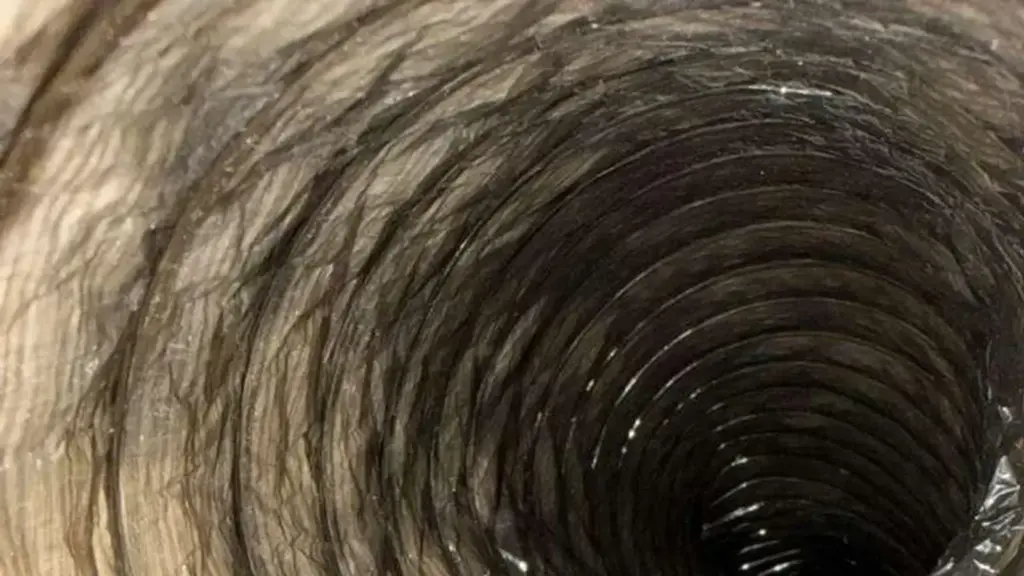
Is Dryer Vent Cleaning Worth It for Tampa Homeowners?
Is dryer vent cleaning actually necessary, or is it one of those maintenance tasks that sounds important but rarely makes a real difference? The short answer: in Tampa, it matters more than most homeowners expect. Between the region’s relentless humidity, long cooling seasons, and the particular way Florida homes are built, a clogged dryer vent does not just slow down laundry day. It quietly strains your entire home ventilation system, nudges your energy bills upward, and creates a fire hazard that most people never see coming until something goes wrong.
This article walks through what actually happens inside a neglected dryer vent in the Tampa area, how that connects to the broader health of your HVAC system, and what the cleaning process looks like when it is done properly.
The Scenario Most Tampa Homeowners Recognize
Picture this: it is a Tuesday evening in August, the AC is already working hard against the heat outside, and you toss a load of towels into the dryer. An hour later, they are still damp. You run it again. They come out warm but not quite dry. You assume the machine is getting old, maybe start pricing new dryers, and think nothing more of it.
What is actually happening, more often than not, is that the dryer vent line is partially blocked with lint. The machine is producing heat just fine, but that heat and moisture have nowhere to go. So the dryer runs longer, your electricity usage climbs, and the excess heat and humidity have to go somewhere. In a Tampa home, where indoor moisture is already a constant concern, that somewhere is often back into the laundry room air.
This is not an unusual story. It is the kind of thing that builds gradually over months or years, and because the decline is slow, it rarely feels urgent until the problem is already significant.
Why Tampa’s Climate Makes Dryer Vents Clog Faster
Tampa’s subtropical climate creates conditions that accelerate lint buildup in ways that homeowners in drier parts of the country simply do not deal with. The humidity here stays high for most of the year, and that moisture affects everything inside the vent line.
Lint is not just dry fiber. When humid air moves through a vent, lint particles absorb moisture and become slightly sticky. Instead of passing through cleanly, they cling to the interior walls of the duct. Over time, those layers compact. The airflow restriction that might take three or four years to develop in a drier climate can appear in half that time in the Tampa area.
There is also the issue of vent line length and routing. Many Tampa homes, particularly those built in the 1970s through the 1990s, were constructed with laundry rooms positioned toward the interior of the floor plan for reasons related to layout and hurricane-era building norms. That means dryer vents sometimes travel a longer path to reach an exterior wall, with multiple bends along the way. Each bend is a spot where lint tends to catch and accumulate. For a deeper look at how those routing decisions affect performance, common dryer vent installation mistakes covers the specific configurations that cause the most trouble in Tampa homes.
Beyond lint, Tampa’s outdoor air carries fine particulate matter, pollen, and in coastal neighborhoods, salt air. When a dryer vent flap does not seal properly, outside air can push back through the line during non-use, carrying those particles inward. The result is a vent interior that accumulates debris from both directions.
If you want it handled correctly the first time, consider professional air duct cleaning in Tampa.
What a Clogged Dryer Vent Actually Does to Your Home
The most immediate consequence of a restricted dryer vent is inefficiency. The dryer runs longer to finish the same load, which means it consumes more electricity per cycle. Over a month of regular laundry, that adds up. Over a year, the difference between a clear vent and a partially blocked one can be meaningful on your utility bill, even if no single cycle feels dramatically different.
The second consequence is heat accumulation. A dryer that cannot exhaust properly builds up heat inside the drum and the surrounding cabinet. That thermal stress shortens the life of heating elements, thermostats, and the motor. Appliance repair technicians often find that machines brought in for repeated heating failures have vent restriction as the root cause, not a defective part.
Third, and most seriously, lint is highly flammable. A partially blocked vent concentrates lint in spots where heat is also concentrating. The U.S. Fire Administration has long identified dryer vents as a significant residential fire source, and Tampa Fire Rescue responds to structure fires with appliance-related origins every year. The risk is not theoretical. It is the kind of quiet hazard that sits in the wall of a home for years before conditions align badly. For a practical overview of warning signs specific to the Tampa area, the Tampa dryer vent fire safety checklist is worth reviewing before your next laundry day.
Finally, there is the indoor air quality angle. When a dryer vent is restricted, some of the moist, lint-laden exhaust air finds its way back into the home rather than exiting cleanly. In Tampa, where humidity control is already a year-round concern, adding a source of warm, moist air inside the house creates conditions that can encourage mold growth in laundry room walls and cabinetry. That connects directly to the broader conversation about indoor air quality that air duct cleaning in Tampa addresses, because the HVAC system then works harder to manage the additional humidity load.
How Dryer Vent Cleaning Actually Works
A proper dryer vent cleaning is not a quick wipe of the lint trap. The lint trap catches only a portion of the fibers that move through the system during each cycle. The rest travels into the vent line itself, and that is where professional cleaning focuses.
The process begins with an inspection of the vent line, ideally with a camera or at minimum a visual check of the exterior termination point and the connection at the dryer. A technician looks at the vent material (flexible foil, semi-rigid aluminum, or rigid metal), the total length of the run, the number of bends, and the condition of the exterior flap. Each of those factors affects both how the cleaning is performed and what the technician might find.
Cleaning itself typically involves a rotary brush system attached to a high-powered vacuum. The brush works through the vent line from one end while the vacuum captures dislodged lint from the other, preventing debris from entering the laundry room. In some cases, particularly in longer or more complex vent runs common in Tampa’s interior-laundry-room floor plans, the technician may work from both ends to ensure the entire length is cleared.
After cleaning, a good technician checks airflow at the exterior termination point. Restored airflow should be noticeably stronger than it was before. If it is not, that points to either a remaining blockage or a structural issue with the vent line itself, such as a disconnected section, a crushed flexible section, or a vent that has simply been routed in a way that cannot support proper exhaust. Those situations call for repair or rerouting rather than cleaning alone. The signs that a vent may need more than just cleaning are covered in detail at dryer vent repair signs for Tampa homes.
Many Tampa homeowners rely on expert air duct cleaning in Tampa for exactly this.
The Tampa Housing Stock Factor
Tampa’s residential housing stock spans several distinct eras, and each comes with its own dryer vent considerations. Homes built before the mid-1980s frequently used flexible plastic or foil duct for dryer vents, materials that are no longer considered acceptable by most current building standards because they collapse easily, hold lint in their corrugated folds, and are more vulnerable to heat damage. Many of those installations have never been updated.
Homes built during the 1990s and early 2000s, when Tampa’s suburban expansion accelerated rapidly, often feature longer vent runs because laundry rooms were placed deep in the floor plan for design reasons. Longer runs with multiple 90-degree bends are harder to keep clear and harder to clean thoroughly without the right equipment.
Newer construction in areas like New Tampa, Westchase, and Riverview tends to use rigid or semi-rigid metal duct, which is smoother internally and easier to clean. But even those installations need periodic attention, particularly in a climate where lint accumulates faster than average.
If your home is in an older Tampa neighborhood, Seminole Heights, Carrollwood, or South Tampa, and you have never had the dryer vent professionally inspected, there is a reasonable chance the vent material itself may be worth evaluating alongside the cleaning. Tampa’s humidity also means that exterior termination points, the flaps and covers where the vent exits the home, are prone to corrosion and warping. A flap that does not open and close cleanly restricts airflow even when the vent line behind it is clear.
This local context also matters for the HVAC system as a whole. Tampa homes rely heavily on air conditioning for roughly nine months of the year, and anything that adds humidity or heat load inside the home puts additional demand on the AC. Understanding how Tampa’s humidity affects your entire duct system helps explain why dryer vent maintenance is not an isolated task but part of a broader approach to keeping the home’s ventilation working efficiently.
How Often Does a Tampa Dryer Vent Need Cleaning?
The standard guidance for most households is an annual cleaning. In Tampa, that baseline makes sense, but certain factors push the frequency higher. A household that runs the dryer daily, has pets with heavy fur, or washes a lot of bulky items like comforters and towels will accumulate lint faster than average. A vent line with multiple bends or a run longer than about 15 feet also warrants more frequent attention.
A reasonable approach is to schedule a cleaning once a year and ask the technician to note the condition at the end of the appointment. If the lint volume was heavy, move to twice-yearly. If it was light and the vent line is in good shape, annual service is likely sufficient.
Ready for the next step? Learn how air duct cleaning services in Tampa can help and reach out to the team.
Between professional cleanings, there are a few things homeowners can do without any special tools. Cleaning the lint trap before every load is the most effective single habit. Checking the exterior vent flap periodically to make sure it opens freely when the dryer is running and closes fully when it is not takes about 30 seconds. And paying attention to drying times is the simplest early warning system available: if loads that used to take 45 minutes are now taking 70, the vent deserves a look before the next scheduled service.
Frequently Asked Questions
How do I know if my dryer vent is clogged and not just an aging dryer?
The clearest indicator is drying time. If loads are consistently taking longer than they used to, and the dryer itself feels hotter than normal to the touch during operation, airflow restriction is the most likely cause. A technician can measure airflow at the exterior termination point before and after cleaning to confirm whether the vent was the issue.
Can I clean the dryer vent myself?
Cleaning the first foot or two of duct behind the dryer with a brush kit from a hardware store is reasonable as a supplemental step. However, for the full vent run, particularly in Tampa homes with longer or more complex routing, professional equipment reaches further, captures debris more completely, and includes an inspection that can catch problems a DIY brush will miss. Attempting to clean a long or kinked vent without the right tools can push lint deeper into the line rather than removing it.
Does dryer vent cleaning affect my air conditioning system?
Indirectly, yes. A dryer that exhausts properly removes heat and moisture from the home efficiently. When that exhaust is restricted and some of that warm, humid air stays inside, the AC has to work harder to maintain temperature and humidity levels. In Tampa’s climate, where the AC is already under significant load for most of the year, reducing any unnecessary humidity source helps the system run more efficiently. For a fuller picture of how ventilation affects HVAC performance, the complete guide to air duct cleaning in Tampa is a useful resource.
What is the difference between dryer vent cleaning and dryer vent repair?
Cleaning removes accumulated lint and debris from an otherwise intact vent line. Repair addresses physical problems with the vent itself, such as disconnected sections, crushed flexible duct, incorrect materials, or a vent that has been routed in a way that violates current standards. Sometimes an inspection during cleaning reveals that repair or replacement is the more appropriate next step. A technician should explain clearly which situation applies and why before any additional work is recommended.
The Straightforward Answer to the Original Question
For Tampa homeowners, dryer vent cleaning is worth it. Not because it is a luxury service, but because the local climate, the age of much of the housing stock, and the way Florida homes are typically laid out create conditions where vents clog faster and the consequences of neglect are more significant than they would be elsewhere.
A clear dryer vent means shorter drying cycles, less wear on the appliance, lower fire risk, and one less source of unwanted humidity inside the home. Those are practical, measurable benefits, not abstract ones. Combined with the broader goal of keeping the home’s ventilation system working efficiently, regular dryer vent service fits naturally alongside air duct maintenance as part of responsible home upkeep in this climate.
If you are not sure when your dryer vent was last inspected or cleaned, or if you have noticed drying times creeping upward, reach out to Ecovent Dryer Duct Solutions Tampa to schedule an inspection. A technician can assess the full vent run, let you know what condition it is in, and handle the cleaning in a single visit.