
Why Tampa Humidity Leads to Dusty Air Ducts: Common Myths Busted
Florida ranks among the most humid states in the country, and Tampa’s subtropical climate means your AC system runs for the better part of the year. That near-constant operation pulls enormous volumes of air through your ductwork every single day. Yet despite how central duct health is to comfort and energy efficiency in Tampa homes, a surprising amount of misinformation circulates about what humidity actually does inside those ducts, and what homeowners should do about it. This article works through the most persistent myths, replaces them with accurate explanations, and helps you make smarter decisions about your home’s air system.
If you want the full picture on what neglected ducts cost Tampa homeowners over time, see our complete guide to air duct cleaning in Tampa for a deeper look at the financial and operational consequences.
Myth: Tampa’s Humidity Doesn’t Really Affect What’s Inside Your Ducts
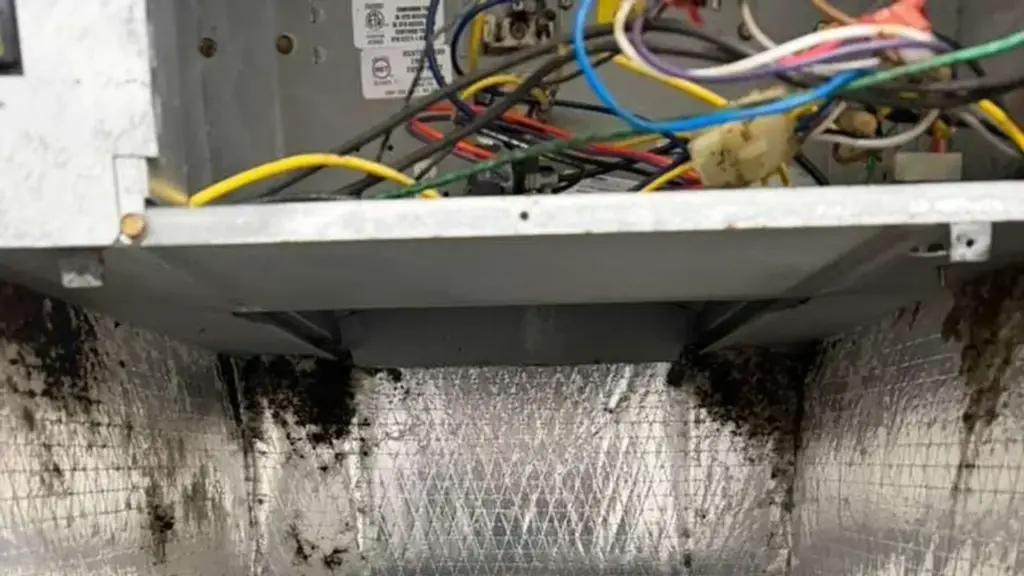
Reality: The interior of a duct system is not a sealed, climate-controlled vault. Conditioned air moves through it, but that air carries moisture, especially in a city like Tampa where outdoor relative humidity regularly exceeds 80 percent during summer months. When warm, humid air contacts the cooler metal or flex-duct surfaces near supply registers, condensation can form. That moisture does not evaporate quickly in an environment that already has high ambient humidity. The result is a slightly damp surface that acts like a magnet for airborne dust, pollen, and other particulates that pass through the system. Over months and years, that combination of moisture and debris creates the kind of buildup that restricts airflow and creates conditions where biological growth becomes a real concern. Tampa’s climate does not cause problems by itself, but it absolutely accelerates the rate at which a neglected duct system deteriorates compared to drier climates.
Myth: If Your Filter Is Clean, Your Ducts Are Clean
Reality: A filter is the first line of defense, not the whole defense. Standard 1-inch filters capture a portion of airborne particles, but they do not intercept everything. Ultra-fine particles, along with debris that enters the system through leaky return plenums, gaps around registers, or during construction work, bypass the filter entirely and settle on duct walls. In Tampa homes, many of which were built during the rapid suburban expansion of the 1970s through 1990s, ductwork often runs through unconditioned attic spaces where temperatures can exceed 130°F in summer. Flex duct in those spaces can develop small tears or loose connections over time, creating entry points for attic dust and insulation fibers that a filter never sees. Checking your filter regularly is good practice, but a clean filter tells you nothing about the condition of the ductwork downstream.
Myth: Dusty Supply Vents Just Mean You Need to Dust More Often
Reality: Visible dust accumulating on or around supply registers is one of the clearest signals that particulate buildup inside the duct system has reached a point where the airstream is carrying debris out with it. Regular dusting of the register face addresses the symptom you can see, but it does nothing about the source. In a humid Tampa climate, that surface dust also tends to clump rather than stay loose and dry, which means it adheres more stubbornly to duct interiors and is harder to dislodge without proper equipment. If you find yourself wiping down registers every week or two, that frequency is worth paying attention to. It often indicates that the system is due for a professional cleaning, not just a more aggressive housekeeping routine. For a broader look at what drives the cost and scope of professional cleaning, the air duct cleaning Tampa cost guide breaks down the key factors clearly.
Myth: Duct Cleaning Is Only Necessary After a Renovation
If you want it handled correctly the first time, consider professional air duct cleaning in Tampa.
Reality: Post-renovation cleaning is genuinely important because construction generates drywall dust, wood particles, and other fine debris that infiltrates ductwork quickly. But framing duct cleaning as exclusively a post-construction task causes many Tampa homeowners to skip it for years at a time under normal living conditions. The reality is that everyday use, pet dander, cooking vapors, and the particulates that enter through doors and windows all contribute to gradual accumulation. Tampa’s year-round AC operation means the system never gets a true rest period the way it might in a colder northern climate. The fan runs, air circulates, and debris accumulates continuously. Industry guidance from organizations like NADCA generally suggests evaluating duct condition every three to five years under normal residential use, with more frequent attention warranted for homes with pets, allergy sufferers, or older ductwork. Renovation is one trigger, but it is far from the only one.
Myth: High Humidity Means Mold Is Inevitable in Your Ducts, So Cleaning Won’t Help
Reality: This myth cuts in both directions: some homeowners assume mold is a certainty and feel helpless, while others assume that because they haven’t seen visible mold, the humidity isn’t a problem. Neither framing is accurate. Mold requires a combination of moisture, a food source (organic debris), and time. Removing the accumulated dust and organic material from duct surfaces through professional cleaning eliminates a key ingredient in that equation. It does not make a duct system immune to future buildup, but it meaningfully reduces the conditions that allow biological growth to take hold. Paired with proper system maintenance, including ensuring drain pans are clear, insulation is intact in the attic, and the system is sized correctly for the home, regular cleaning is one of the most practical steps a Tampa homeowner can take. The idea that humidity makes the effort pointless is simply not supported by how mold actually develops.
Myth: Duct Cleaning Is a DIY Job You Can Handle With a Shop Vac
Reality: A shop vacuum can clean the visible interior of a register opening, perhaps six to twelve inches in. The average Tampa home has hundreds of linear feet of ductwork, including trunk lines, branch runs, return plenums, and the air handler cabinet itself. Professional duct cleaning uses truck-mounted or high-powered portable negative-pressure equipment that creates a vacuum across the entire system while technicians use rotary brushes and compressed air tools to dislodge debris from duct walls and drive it toward the collection point. Without that negative pressure, a shop vac or household vacuum simply pushes debris further into the system or redistributes it into the living space. There is also the practical reality that most residential ductwork in Tampa runs through attic spaces that are extremely hot and difficult to navigate safely during summer months. Light homeowner maintenance, like changing filters on schedule and keeping registers clear of obstructions, is genuinely useful. Attempting a full cleaning without the right equipment is not.
Myth: Newer Homes in Tampa Don’t Need Duct Cleaning
Reality: Newer construction actually carries its own set of duct-cleanliness risks that older homes do not. During the building process, ductwork is often installed before drywall, flooring, and finish work are complete. That means the open duct system sits exposed to construction dust, sawdust, drywall compound, and insulation fibers for weeks or months before the home is occupied. Many Tampa homeowners move into a new build and assume the system is pristine, when in fact the ducts may contain a significant debris load from the construction phase. Additionally, new flex duct systems installed in attic spaces can develop small gaps at connections if not properly secured, allowing the extremely hot, humid attic air to enter the system. A new home is not automatically a clean home when it comes to ductwork, and an inspection within the first year or two is a reasonable step for new Tampa homeowners.
Many Tampa homeowners rely on expert air duct cleaning in Tampa for exactly this.
Myth: You’ll Always Know When Your Ducts Need Cleaning
Reality: This is perhaps the most consequential myth on the list, because it leads homeowners to wait for obvious symptoms before acting. In practice, duct buildup is a gradual process, and many of its effects are easy to attribute to other causes. Slightly higher energy bills might be written off as rate increases. Rooms that take longer to cool might be blamed on the AC unit itself. A faint musty smell when the system first kicks on might be dismissed as normal. By the time the signs are unmistakable, the system has often been operating with compromised airflow for a long time. Tampa’s climate makes this particularly relevant: because the AC runs almost continuously, homeowners become accustomed to a baseline of performance that may already be degraded. Proactive inspection and cleaning on a reasonable schedule is a more reliable approach than waiting for a problem to announce itself clearly. Our guide on whether vent cleaning is worth it covers a similar theme for dryer systems and the same logic applies here.
Tampa’s Duct Reality: What the Local Climate Actually Demands
Tampa sits in USDA Hardiness Zone 9b-10a, with a climate classified as humid subtropical. Average annual relative humidity hovers around 74 percent, and the summer rainy season, which runs roughly from June through September, pushes that figure even higher on a daily basis. Most Tampa homes were built with air handlers located in unconditioned attic spaces, which means the ductwork transitions between the extreme heat of the attic (often exceeding 120 to 130 degrees Fahrenheit on a summer afternoon) and the cooled interior of the home. That thermal gradient creates repeated condensation cycles on duct surfaces over the life of the system.
Flex duct, which is the dominant duct material in Tampa residential construction since the 1980s, has an inner liner, a layer of fiberglass insulation, and an outer vapor barrier. When the vapor barrier is compromised, even slightly, attic humidity can migrate into the insulation layer and create a persistently damp environment around the duct. This is not a sign of poor installation necessarily; it is simply what happens to flex duct systems in a subtropical climate over a decade or more of use. Understanding this local reality is why generic national guidance about duct cleaning frequency does not always translate directly to Tampa conditions. The environment here is more demanding, and maintenance schedules should reflect that.
If you’re also thinking about related ventilation systems in your home, our Tampa dryer vent safety checklist is a useful companion resource for keeping all your home’s ventilation in good working order.
Frequently Asked Questions
Does Tampa’s humidity make duct cleaning less effective over time?
No. Professional duct cleaning removes the accumulated debris that humidity helps bind to duct surfaces. While the humid climate means buildup may return more quickly than in drier regions, that is an argument for appropriate maintenance frequency, not for skipping cleaning altogether. A clean system performs better and is less hospitable to biological growth regardless of the outdoor climate.
Ready for the next step? Learn how air duct cleaning services in Tampa can help and reach out to the team.
How does humidity get inside sealed ductwork in the first place?
Duct systems are rarely perfectly sealed. Small gaps at connections, around register boots, and at the air handler cabinet allow humid air to enter, particularly in homes where the ductwork runs through unconditioned attic spaces. Condensation also forms naturally on cooled duct surfaces when warm, moist air contacts them, which is a normal physical process in any air conditioning system operating in a humid climate like Tampa’s.
Can I reduce dust buildup in my ducts between professional cleanings?
Yes, within limits. Using a higher-quality filter rated MERV 8 or above (while confirming your system can handle the increased resistance), sealing visible gaps around register boots with mastic or metal tape, and keeping the area around return vents clear of furniture and drapes all help reduce the rate of accumulation. These steps complement professional cleaning but do not replace it.
Are Tampa homes with tile floors and no carpet less likely to have dusty ducts?
Hard flooring does reduce one source of airborne particulates, since carpet fibers and the debris trapped in them do not recirculate through the system. However, dust, pollen, pet dander, and construction debris enter homes through doors, windows, and the HVAC system itself regardless of flooring type. Tampa homes with tile throughout still accumulate debris in their ductwork over time, though the rate may be somewhat lower than in heavily carpeted homes.
How do I know if a duct cleaning service actually cleaned the whole system?
A properly performed cleaning should involve negative-pressure equipment connected to the main trunk line, with technicians working each branch and register opening systematically. Before and after photos of accessible duct sections and the air handler cabinet interior are a reasonable thing to request. If a service provider is unwilling to show you the condition of the system before and after the work, that is worth noting when evaluating the job.
Putting the Myths Aside
Tampa’s humidity is a real factor in how quickly dust and debris accumulate inside residential duct systems, but it is a manageable one. The myths covered here share a common thread: they either overstate the problem (mold is inevitable, so why bother) or understate it (a clean filter means clean ducts, new homes are fine). The accurate picture sits in between. Regular professional attention, reasonable maintenance habits, and an understanding of what Tampa’s subtropical climate actually does to flex duct systems over time are the practical tools available to homeowners here.
For a full breakdown of what professional air duct cleaning involves in Tampa and what factors shape the scope of the work, see our detailed air duct cleaning Tampa resource. When you’re ready to have your system inspected or cleaned by a professional, contact Ecovent Dryer Duct Solutions Tampa to schedule a visit.