
Why Dryer Vent Cleaning Matters More in Tampa Than Almost Anywhere Else
Tampa homeowners deal with a combination most of the country never faces: year-round heat, humidity that rarely drops below 60%, and homes that run their dryers constantly to compensate. That environment turns a neglected dryer duct into something far more serious than a nuisance. Lint buildup, trapped moisture, and restricted airflow create conditions that raise fire risk, shorten appliance life, and invite mold growth inside the duct itself. This guide explains exactly what happens, what to watch for, and how professional dryer vent cleaning addresses each problem.
Tampa’s Climate Is the Hidden Variable Most Homeowners Miss
What Humidity Does Inside a Dryer Duct
Every dryer cycle pushes warm, moisture-laden air through the duct and out of the home. In a dry climate, that air exits quickly and the duct dries between cycles. In Tampa, the air outside the duct is already saturated. When the warm exhaust hits the cooler duct wall, especially in a long or kinked run, condensation forms on the interior surface. Lint sticks to damp surfaces far more readily than to dry ones, and the combination of organic material and persistent moisture is exactly what mold spores need to colonize.
Why Longer Duct Runs Make the Problem Worse
Building codes set maximum allowable duct lengths for a reason. Each foot of duct adds resistance, slowing airflow and giving moisture more time to condense before the air exits. Elbows and turns add equivalent resistance on top of that. Many Tampa homes, particularly condos and townhomes where the laundry room sits far from an exterior wall, have duct runs that approach or exceed those limits. When a duct is also partially clogged with lint, the effective run length is even longer. Airflow slows to a crawl, drying times stretch, and moisture accumulates at every low point in the duct.
The Mold Connection Specific to Florida Homes
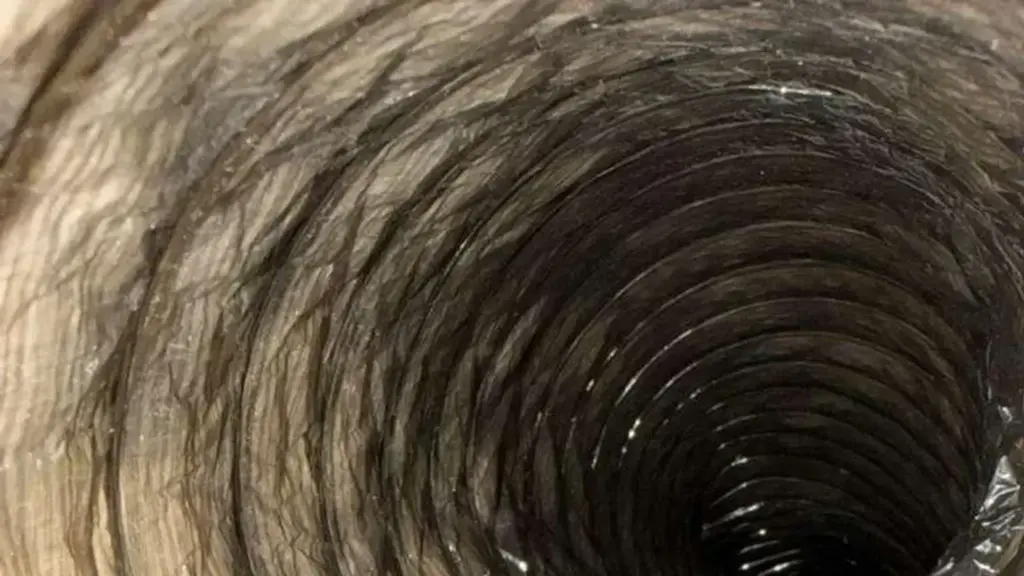
Mold growth inside a dryer duct is not a theoretical risk in this region. The combination of warm exhaust air, condensation on duct walls, and lint as a nutrient source creates a genuinely favorable environment. Homeowners sometimes notice a musty odor coming from the laundry area or from freshly dried clothes, which can be an early indicator. A professional inspection often reveals dark discoloration on the interior duct walls, particularly near elbows and at the termination cap where the duct exits the building. Addressing the duct before mold becomes established is significantly simpler than dealing with it afterward.
Warning Signs Your Dryer Vent Needs Attention Now
Performance Clues Your Dryer Is Telling You
The appliance itself is usually the first to signal a problem. A load that used to dry in 45 minutes now takes 75 or more. The dryer runs hot to the touch, or the laundry room feels noticeably warmer than usual during a cycle. Clothes come out damp or still warm after a full cycle. These are not signs the dryer is failing. They are signs that restricted airflow is forcing the machine to work harder and longer to push moisture out through a partially blocked duct. Running a dryer in that condition accelerates wear on heating elements and motors.
Visual and Smell-Based Red Flags
Step outside and look at the duct termination cap while the dryer is running. You should feel a strong, steady airflow. If the flap barely opens or you feel only a weak puff of air, the duct is restricted. Inside, check the lint trap housing. A small amount of lint past the trap screen is normal. Heavy accumulation in the housing itself suggests lint is backing up from a restricted duct. A burning smell during operation, particularly one that smells like scorched fabric rather than a mechanical issue, warrants stopping the dryer and scheduling an inspection immediately. A musty smell from the vent area when the dryer is off points toward moisture and possible mold.
How Long Has It Been? A Simple Benchmark
Most manufacturers and fire safety organizations recommend cleaning the dryer duct at least once per year for an average household. Households that do multiple loads daily, use the dryer for pet bedding or heavily soiled items, or have longer duct runs may need service more frequently. If you have never had the duct cleaned since moving into your Tampa home, or if it has been more than a year, that is a reasonable starting point for scheduling a professional assessment regardless of whether you have noticed symptoms yet.
What Professional Dryer Vent Cleaning Actually Involves
The Inspection Before the Cleaning
A thorough service starts with an inspection, not immediately with brushes and vacuums. A technician checks the duct material (flexible foil, semi-rigid aluminum, or rigid metal), measures the total run length, identifies the number and type of elbows, and locates the termination cap. They also look for signs of crushing, kinking, or improper connections where sections join. This step matters because cleaning a duct with a disconnected section or a crushed elbow simply redistributes lint into the wall cavity rather than removing it. At Ecovent Dryer Duct Solutions, this inspection informs every service call before any equipment touches the duct.
The Cleaning Process Step by Step
Once the duct is confirmed to be intact and properly routed, cleaning proceeds from both ends. A high-powered vacuum attaches at the dryer connection point to capture dislodged material. Flexible rotary brushes run through the duct from the termination end, working lint deposits loose from the duct walls and moving them toward the vacuum. The technician works in sections, checking suction and brush resistance to identify areas of heavy buildup. After the main cleaning pass, the termination cap is removed, cleaned, and inspected to confirm the damper flap opens freely. The final step is a post-cleaning airflow check to confirm the restriction has been resolved.
When Cleaning Alone Is Not Enough
Sometimes an inspection reveals that the duct itself is the problem, not just lint accumulation. Flexible foil duct that has been kinked, crushed, or sagged creates permanent airflow restrictions that brushing cannot fix. Duct sections that have separated inside a wall allow lint to accumulate in the wall cavity, a fire hazard that cleaning cannot address. In these cases, dryer vent repair or a full duct replacement becomes necessary before the dryer can operate safely. A technician who finds these conditions during a cleaning appointment should document them clearly and explain the options before proceeding.
Dryer Duct Repair: When the Duct Itself Is the Problem
Common Duct Defects Found in Tampa Homes
Several duct conditions come up repeatedly in Tampa-area inspections. Flexible foil duct, which is inexpensive and easy to install but prone to sagging and kinking, is the most common culprit. When it sags between support points, it creates low spots where condensation pools and lint accumulates into a dam. Duct that runs through an unconditioned attic space faces extreme heat in summer, which accelerates deterioration of the foil material. Improperly secured joints that have pulled apart over time allow exhaust air, lint, and moisture to vent into wall or ceiling cavities instead of outside.
Rerouting for Better Performance
Some duct routing problems are a matter of the original installation choosing a long, complicated path when a shorter, straighter one was available. Rerouting a duct to reduce total length and eliminate unnecessary elbows can dramatically improve airflow, reduce drying times, and lower the frequency at which cleaning is needed. This is particularly relevant in Tampa condos and newer construction where laundry closets are sometimes positioned in ways that make efficient duct routing an afterthought. Dryer duct repair that includes rerouting is a more involved job than a simple cleaning, but the long-term performance improvement is substantial.
Choosing the Right Duct Material
Rigid or semi-rigid aluminum duct is the preferred material for most residential dryer vent installations. It does not kink, sag, or crush the way flexible foil does. Its smooth interior surface offers less resistance to airflow and gives lint fewer places to catch and accumulate. Some building codes require rigid metal duct in specific applications, particularly inside walls. Requirements vary by jurisdiction, so confirming current local standards with a licensed professional is always the right approach before replacing duct material. When Ecovent Dryer Duct Solutions performs a duct replacement, the material selection is part of the conversation, not an afterthought.
The Fire Risk That Does Not Get Enough Attention
How Lint Becomes a Fire Hazard
Lint is composed primarily of fine textile fibers. It is highly combustible. When lint accumulates inside a dryer duct, it restricts airflow, causing the dryer to run hotter. That elevated heat, combined with a dense mass of flammable material sitting in close proximity to the exhaust stream, creates a genuine ignition risk. The exhaust temperature in a properly functioning dryer is high enough that even a partial blockage can push temperatures in the duct to dangerous levels. This is not a remote possibility. Dryer fires are a well-documented cause of residential structure fires, and the majority involve failure to clean the duct.
Termination Cap Condition Matters More Than Most People Realize
The cap where the duct exits the building is a frequently overlooked component. It should have a damper flap that opens during operation and closes when the dryer is off, preventing outside air, insects, and pests from entering the duct. In Tampa, a cap that does not close properly also allows humid outdoor air to flow back into the duct between cycles, accelerating condensation and lint adhesion. Caps with mesh screens, which some older installations have, trap lint at the exit point and can clog completely. A professional cleaning always includes cap inspection and replacement if the cap is damaged, screened, or corroded.
Multi-Unit Buildings Carry Additional Considerations
In condominiums and apartment buildings, dryer ducts from multiple units sometimes share a vertical chase before exiting the building. These shared systems require coordination between unit owners and building management for proper cleaning. Lint from one unit can restrict flow for units above or below. If you live in a Tampa condo and have noticed poor dryer performance despite a recently cleaned duct, the issue may be in the shared section of the system rather than in your unit’s individual run. A technician familiar with multi-unit duct configurations can trace the system and identify where the restriction actually lies.
Comparing Dryer Duct Conditions at a Glance
| Condition | Symptom | Recommended Action |
|---|---|---|
| Lint buildup (routine) | Longer drying times, warm laundry room | Professional cleaning |
| Condensation and mold on duct walls | Musty odor from vent or clothes | Cleaning plus airflow assessment |
| Kinked or crushed flexible duct | Persistent restriction after cleaning | Dryer duct repair or replacement |
| Disconnected duct section | Lint in wall cavity, no exterior airflow | Immediate repair before use |
| Damaged or screened termination cap | Weak exterior airflow, pests in duct | Cap replacement during cleaning visit |
| Excessive duct length or too many elbows | Chronic slow drying despite clean duct | Rerouting or dryer duct repair |
What Tampa Homeowners Can Do Between Professional Visits
Lint Trap Habits That Actually Help
Cleaning the lint trap before every load is the single most effective thing a homeowner can do between professional duct cleanings. A clogged lint trap forces the dryer to push more lint past the trap and into the duct. Periodically washing the lint trap screen with warm water and a soft brush removes fabric softener residue that can coat the mesh and reduce airflow even when the screen looks clean. Hold the screen up to light after washing. If water beads on it rather than flowing through, the mesh is coated and needs another cleaning cycle before it is fully clear.
Checking the Exterior Cap Yourself
Once a month, step outside while the dryer is running and check the termination cap. The damper flap should be open and you should feel a strong, steady flow of warm air. If the flap is only partially open or the airflow feels weak, that is worth noting and mentioning when you schedule your next service. Also check that no bird or pest has built a nest in or near the cap opening. In Tampa, this is not a rare occurrence. Nesting material can partially or completely block the duct exit and is sometimes the primary cause of a sudden drop in dryer performance.
What Not to Do
A few well-intentioned homeowner actions can make things worse. Attaching extra lengths of flexible duct to reach a vent opening is tempting but adds resistance and sag points. Using duct tape (the cloth-backed kind) to seal duct joints is a common mistake. It fails quickly under the heat and humidity of dryer exhaust. Foil-backed tape rated for dryer duct use is the correct material for sealing joints if a connection needs temporary attention before a professional visit. And never run the dryer if you smell burning or if the exterior cap shows no airflow. Stop the machine and call for service.
Frequently Asked Questions
How often should Tampa homeowners schedule dryer vent cleaning?
Once a year is a reasonable baseline for most households. Homes with heavy dryer use, long duct runs, or flexible foil duct may benefit from service every six to eight months. Tampa’s humidity makes annual cleaning more important here than in drier climates, because moisture accelerates lint adhesion and increases mold risk inside the duct.
Can I clean the dryer duct myself with a kit from a hardware store?
Consumer brush kits can remove some lint from the first few feet of duct near the dryer connection. They rarely reach the full length of the duct, cannot address disconnected sections or crushed elbows, and do not include the vacuum suction needed to capture dislodged lint rather than pushing it deeper. For a complete cleaning that also identifies duct defects, professional service is more thorough.
What does mold inside a dryer duct actually look like?
Technicians typically find dark gray or black discoloration on the interior duct walls, particularly at elbows and near the termination cap where condensation is heaviest. The lint in those areas often clumps rather than sitting as loose fiber, because moisture has caused it to mat together. A musty odor from the vent area when the dryer is off is often the first homeowner-noticeable sign.
Is dryer vent repair covered by homeowners insurance?
Coverage depends on the specific policy and the cause of the damage. Sudden, accidental damage may be covered; gradual deterioration from lack of maintenance typically is not. Check your policy details and speak with your insurer directly. A technician can document the condition of the duct, which may be useful for an insurance conversation.
How long does a professional dryer vent cleaning take?
A standard residential cleaning typically takes between 45 minutes and 90 minutes, depending on duct length, number of elbows, and the degree of buildup. If the inspection reveals duct defects that require repair or rerouting, that work is scoped and scheduled separately so the homeowner understands what is involved before any additional work begins.
Does the dryer brand or model affect how often the duct needs cleaning?
The dryer model has some influence. High-efficiency dryers that sense moisture and extend cycles automatically can mask a restricted duct by simply running longer rather than alerting you with obvious symptoms. Gas dryers and electric dryers produce similar amounts of lint. The duct configuration, household laundry volume, and local climate have more impact on cleaning frequency than the appliance brand itself.
Conclusion
For Tampa homeowners, dryer duct maintenance is not a task that can stay on the back burner. The combination of high ambient humidity, year-round dryer use, and the aging flexible duct found in many local homes creates conditions where lint buildup, moisture accumulation, and restricted airflow compound each other quickly. Catching problems early, through regular dryer vent cleaning in Tampa and prompt repair of any duct defects, keeps the appliance running efficiently, reduces fire risk, and limits the conditions that allow mold to take hold inside the duct. If your dryer has been taking longer than usual, your laundry room feels warmer than it should, or you simply cannot remember the last time the duct was serviced, this is the right time to address it. Contact Ecovent Dryer Duct Solutions to schedule your dryer vent cleaning today and get a clear picture of what your duct system actually needs.