
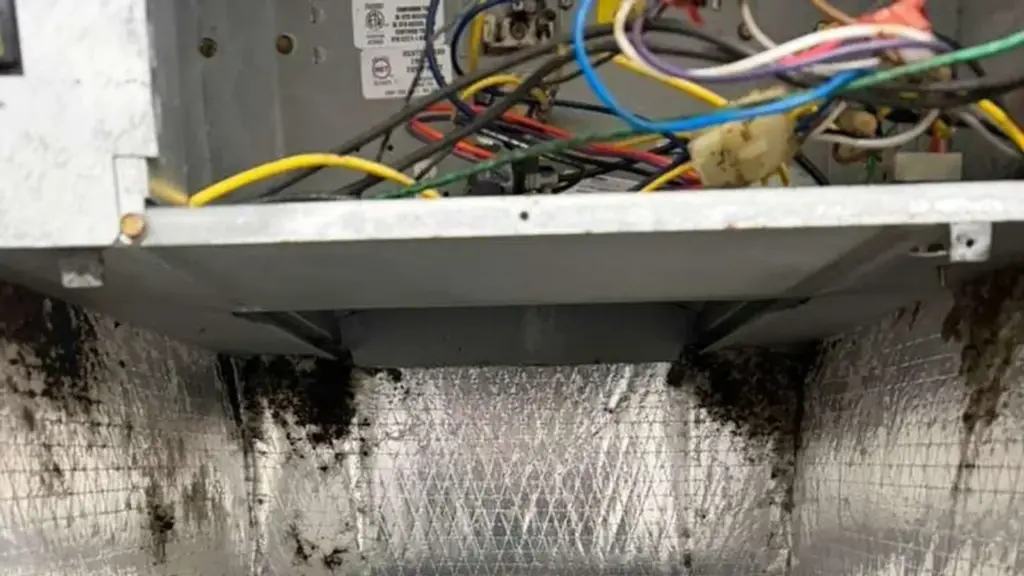
Air Duct Cleaning in Tampa: A Homeowner’s Guide to the Full Process
Most Tampa homeowners schedule air duct cleaning without a clear picture of what actually happens once the technician arrives. That uncertainty can make the whole experience feel like a black box. This guide walks you through every stage of a professional residential duct cleaning service, from the initial inspection to the final system check, so you know exactly what to expect, what questions to ask, and how to tell whether the job was done right.
Why Tampa Homes Face Unique Duct Challenges
Humidity Is the Real Culprit
Tampa’s subtropical climate means your HVAC system runs hard for most of the year. That continuous operation pulls humid outdoor air through the ductwork repeatedly, creating conditions where dust, pollen, and microscopic debris accumulate faster than they would in a drier climate. The moisture also makes particles stick to duct surfaces rather than simply blowing through.
Unlike homes in the northern United States that might run their systems seasonally, a Tampa home’s air handler can cycle on and off dozens of times a day for ten or eleven months out of the year. That workload accelerates buildup inside supply and return ducts alike.
Florida-Specific Contaminants
Beyond ordinary household dust, Tampa ductwork commonly accumulates mold spores, insulation fibers from aging flex duct, and fine construction debris in homes that have had any renovation work. Homes near the bay can also pull in fine particulate matter that settles in duct bends and at register boots. None of this is unusual, but it does mean a thorough cleaning matters more here than in many other regions.
When Cleaning Makes Sense vs. Replacement
Cleaning is the right call when your ductwork is structurally sound but coated in accumulated debris. If your ducts are visibly deteriorating, collapsing, or have significant air leaks, cleaning alone won’t solve the problem. Ecovent Dryer Duct Solutions Tampa evaluates both conditions on every visit, so you get an honest recommendation rather than a service you may not need. For a deeper look at that decision, the air duct cleaning vs. replacement guide covers the key indicators in detail.
Before the Technician Arrives: How to Prepare
Clear Access Points Around the Home
A professional duct cleaning crew needs unobstructed access to every supply and return register in the house, as well as the air handler unit itself. Before the appointment, move furniture or stored items that block floor registers. In closets where returns are often installed, clear a path to the vent cover. This isn’t about aesthetics; blocked registers slow the job and can mean some sections of ductwork get less attention.
Locate Your Air Handler and Electrical Panel
Know where your air handler is (attic, closet, or utility room) and where the circuit breaker for the HVAC system is located. The technician will need to power the system down at certain points during the process. Pointing them to these locations immediately saves time and avoids the awkward hunt through a stranger’s home.
Note Any Problem Areas in Advance
If certain rooms feel stuffier than others, if you’ve noticed a musty smell from a specific register, or if a vent cover looks visibly dark with debris, write those observations down. Sharing them at the start of the appointment helps the technician prioritize and gives you a baseline to compare against after the work is done.
The Inspection Phase: What Good Technicians Do First
Visual and Camera-Assisted Assessment
A thorough home air duct cleaning service begins with an inspection, not a vacuum. The technician should walk the home, remove representative vent covers, and use a camera or inspection mirror to assess the interior condition of the ductwork before any equipment is connected. This step reveals whether debris is light and dry (easier to remove) or dense and potentially moisture-affected (requires more aggressive agitation).
In Tampa attics, where flex duct is common, the inspection also checks for disconnected sections, crushed duct runs, and deteriorating insulation wrap. These structural issues affect both the cleaning approach and whether additional work may be needed afterward.
System Mapping
Before cleaning begins, a good technician maps the duct layout: how many supply registers, how many returns, where the main trunk lines run, and where the air handler connects. This map guides the cleaning sequence and ensures no branch gets skipped. In larger Tampa homes with multi-zone systems, this step takes longer but is essential for a complete result.
Baseline Airflow Check
Some technicians use an anemometer or simply hold a tissue near registers to get a rough sense of airflow before cleaning. This isn’t always standard practice, but when it’s done, it gives both the technician and the homeowner a reference point. Noticeably improved airflow after the service is one of the most tangible signs the cleaning was effective.
The Cleaning Process, Step by Step
Setting Up Negative Pressure
The core of any professional HVAC duct cleaning process is negative pressure. The technician connects a high-powered vacuum collection unit, typically truck-mounted or a large portable unit, directly to the main duct trunk or the air handler plenum. This creates suction throughout the entire duct system so that when debris is dislodged from duct walls, it travels toward the collection unit rather than into your living space.
All registers except the one being actively worked on are temporarily sealed with covers or foam plugs. This concentrates the suction at the open register and maximizes the velocity of air pulling debris out. Without this step, loosened debris simply redistributes inside the system.
Agitation: Breaking Debris Loose
Suction alone doesn’t remove compacted debris from duct walls. Technicians use rotating brush systems, compressed air whips, or pneumatic skipper balls to physically agitate the interior surfaces of each duct run. The tool choice depends on duct material: rigid sheet metal can handle more aggressive brushing, while flexible duct requires gentler techniques to avoid tearing the inner liner.
Each supply and return branch gets worked from the register opening back toward the main trunk. The agitation tools dislodge dust cakes, debris clusters, and anything adhering to duct joints or bends. As material breaks free, the negative pressure system pulls it directly into the collection unit.
Air Handler and Component Cleaning
The duct system doesn’t end at the registers. The air handler itself, including the evaporator coil housing, blower wheel, and drain pan area, can harbor significant debris and, in Tampa’s humid environment, biological growth. A complete service addresses these components, not just the duct runs.
The blower wheel in particular collects fine dust on its blades over time, which reduces airflow efficiency and can throw the wheel slightly out of balance. Cleaning it as part of the overall service restores proper airflow and reduces strain on the motor. This is also the point at which a technician may identify a dirty or clogged evaporator coil that needs separate attention, though coil cleaning is a distinct service.
If you’re also due for professional air duct cleaning that includes the full air handler assessment, make sure you confirm that scope upfront when booking.
Register and Grille Cleaning
Vent covers and grilles are removed, cleaned of surface dust and debris, and reinstalled. This is a small step but a visible one. Clean registers also mean better airflow distribution once the system is back in operation. In homes with painted-over or corroded grilles, this step sometimes reveals hardware that’s worth replacing for both function and appearance.
What Separates a Thorough Job from a Superficial One
Not every duct cleaning service delivers the same result. Here’s a straightforward comparison of what a thorough process includes versus what a rushed or incomplete job typically skips:
If you want it handled correctly the first time, consider professional air duct cleaning in Tampa, FL 33609.
| Service Element | Thorough Process | Incomplete Process |
|---|---|---|
| Pre-cleaning inspection | Camera or visual check of multiple duct sections | Skipped or limited to one register |
| Negative pressure setup | Truck-mount or high-capacity unit, all registers sealed | Shop vac at individual registers only |
| Agitation method | Rotary brushes or air whips per duct type | Air pressure only, no mechanical agitation |
| Air handler components | Blower wheel, drain pan, and plenum addressed | Duct runs only, air handler untouched |
| Post-cleaning verification | Visual re-check, airflow test, system restart | Equipment packed up without follow-up check |
| Documentation | Before/after photos, written findings | Verbal summary only |
The NADCA (National Air Duct Cleaners Association) standard, ACR, defines source removal as the benchmark for effective cleaning. That means physically removing debris from duct surfaces, not just moving it around. When evaluating any provider, asking whether they follow source-removal methodology is a reasonable and informed question.
After the Service: What You Should See and Feel
Immediate Signs the Job Went Well
Once the system is restarted, walk through the home and hold your hand near each supply register. Airflow should feel noticeably stronger and more consistent from room to room. Registers that previously delivered weak airflow often improve significantly once debris is cleared from duct interiors and the blower wheel is clean.
The air coming from the registers should smell neutral. A musty or dusty odor immediately after a cleaning is unusual and worth flagging to the technician before they leave. A mild smell of disturbed dust for the first hour or two is normal, but it should clear quickly once the system circulates clean air through the house.
Filter Replacement After Cleaning
Install a fresh air filter immediately after the service. Any fine particles that escaped the collection system during cleaning will be captured by a new filter in the first few hours of operation. Running an old, partially loaded filter after cleaning reduces the benefit of the work. For Tampa homes, a MERV 8 to MERV 11 filter is generally appropriate for residential systems, balancing filtration efficiency with adequate airflow. Going higher than your system is rated for can restrict airflow, so check your air handler’s specifications.
Documentation and Follow-Up
A professional service should leave you with some form of documentation: photos taken during the inspection, a written summary of what was found and cleaned, and any recommendations for follow-up work. At Ecovent Dryer Duct Solutions Tampa, that documentation gives homeowners a clear record they can reference when scheduling future maintenance or when questions come up during a home sale.
Keep that record. It’s useful context for your HVAC technician at the next tune-up and helps establish a maintenance timeline going forward.
How Often Should Tampa Homeowners Schedule Duct Cleaning?
General Frequency Guidelines
There’s no single answer that fits every home. The Environmental Protection Agency and NADCA both suggest cleaning when there is visible contamination, after renovation work that generates dust, or when occupants notice persistent air quality issues. For most Tampa homes without pets or recent construction, a cleaning every three to five years is a reasonable baseline.
Homes with multiple pets, residents with respiratory sensitivities, or properties that recently underwent drywall, flooring, or insulation work often benefit from more frequent service. The Tampa climate also means that any home where the system has been off for an extended period (a seasonal rental, for example) should be inspected before the system runs continuously again.
Signs It’s Time to Schedule
Rather than relying solely on a calendar interval, watch for these specific indicators:
- Visible dust or debris accumulating on register covers within days of cleaning them
- A persistent musty or stale odor when the AC runs, particularly in rooms that were fine before
- Noticeably uneven airflow between rooms that haven’t changed in terms of furniture layout
- A significant spike in the amount of dust settling on surfaces throughout the home
- Any confirmed water intrusion near ductwork, such as a roof leak above an attic air handler
- Completion of a renovation project that generated drywall dust or insulation debris
Any one of these is a reasonable trigger for an inspection, even if your last cleaning was relatively recent.
Combining Services for Efficiency
Many Tampa homeowners schedule duct cleaning alongside other HVAC maintenance, such as a coil cleaning or system tune-up. Coordinating these services in a single appointment minimizes disruption and ensures the entire air delivery system gets attention at the same time. If your dryer vent is overdue as well, combining that service with an AC duct cleaning visit is a practical way to handle both in one trip.
Frequently Asked Questions
How long does a residential duct cleaning typically take in Tampa?
For an average single-story Tampa home with one air handler, most professional services take between two and four hours. Larger homes, multi-story layouts, or homes with two separate HVAC systems will take longer. A technician can give you a more accurate estimate once they know your home’s square footage and duct configuration.
Do I need to leave the house during the service?
You don’t have to, but being home allows you to point out specific concerns and ask questions as the work progresses. If anyone in the household has respiratory sensitivities, staying in a different part of the home during the agitation phase is a reasonable precaution, since that’s when the most debris is being dislodged.
Will duct cleaning affect my AC’s cooling performance?
A clean duct system allows air to move more freely, which reduces the workload on your blower motor and can help the system maintain set temperatures more efficiently. The most direct benefit is typically improved airflow to rooms that were previously underperforming. Whether you notice a meaningful change in cooling performance depends on how restricted the system was before cleaning.
Is there anything that duct cleaning can’t fix?
Yes. Cleaning addresses debris accumulation inside the ductwork, but it won’t repair air leaks at duct joints, fix collapsed flex duct sections, or correct improper duct sizing. If your home has rooms that stay warm regardless of how clean the ducts are, the issue may be a design or structural problem rather than a contamination problem. An honest technician will tell you when cleaning alone isn’t the right solution.
What should I do if I smell something unusual after the service?
A brief dusty smell in the first hour is normal. A persistent musty odor after the system has run for several hours could indicate biological growth deeper in the system or at the evaporator coil that wasn’t fully addressed. Contact the service provider and describe what you’re noticing. A reputable company will follow up rather than dismiss the concern.
Can I clean my own ducts with a shop vacuum?
You can clean the visible area just inside a register opening, but that’s a small fraction of the total duct system. Without the negative pressure setup that a professional unit provides, any agitation you do inside the ducts is likely to redistribute debris rather than remove it. For surface-level register cleaning between professional services, a vacuum with a brush attachment is fine. For the duct interior itself, professional equipment is the practical choice.
Conclusion
A professional duct cleaning in Tampa is a methodical process, not a quick vacuum pass. When it’s done correctly, with a proper inspection, negative pressure collection, mechanical agitation, and air handler attention, the results are tangible: better airflow, a cleaner system, and a home that simply feels fresher to live in. If your ducts are overdue for service or you want an honest assessment of what’s actually inside your system, schedule your air duct cleaning in Tampa today and let Ecovent Dryer Duct Solutions Tampa walk you through exactly what your home needs.