
How to Evaluate Air Duct Cleaning in Tampa: A Practical Homeowner Checklist
Hiring a duct cleaning service in Tampa sounds straightforward until you realize how much variation exists in how the work gets done, what gets cleaned, and what a legitimate inspection actually looks like. This checklist walks you through every stage, from the first phone call to the final walkthrough, so you can make a confident, informed decision rather than guessing at what you’re paying for.
Why Tampa’s Climate Makes Duct Evaluation More Important Than Elsewhere
Humidity Changes What Accumulates Inside Your Ducts
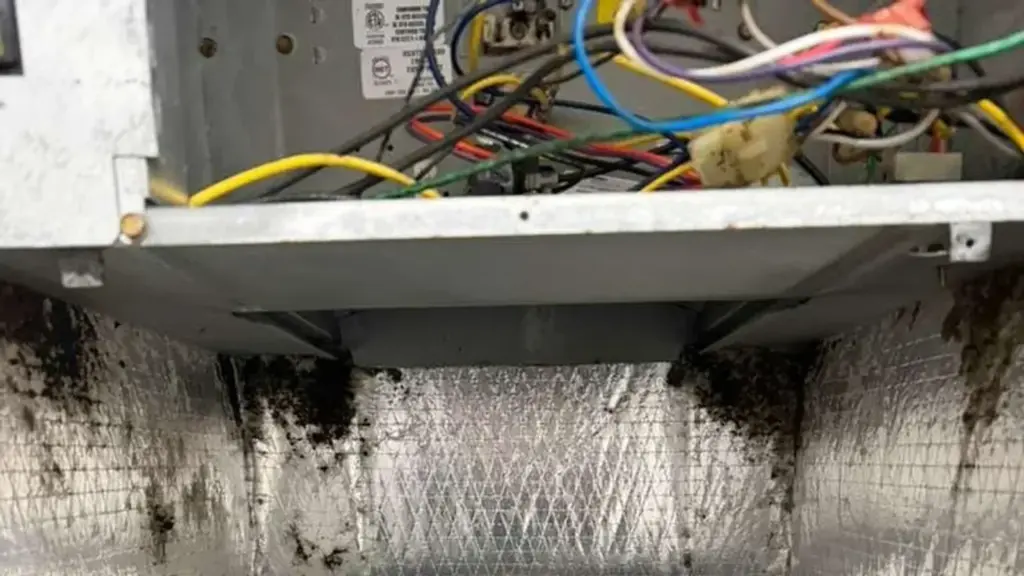
Tampa’s subtropical humidity is not just uncomfortable in summer. It creates conditions inside ductwork that differ meaningfully from drier climates. When warm, humid air contacts cooler duct surfaces, moisture can condense, and that moisture gives organic debris a foothold it wouldn’t otherwise have. Dust doesn’t just sit dry and loose in Tampa ducts the way it might in, say, Phoenix. It can clump, compact, and in some cases support microbial growth along duct walls and insulation surfaces.
That distinction matters when you’re evaluating whether a cleaning job was thorough. A provider working in Tampa should acknowledge this dynamic, not treat every job as a generic national-template service call.
Older Construction Adds Another Layer of Complexity
Many Tampa homes built before the 1990s used duct materials and configurations that are now considered suboptimal. Fiberglass duct board, flex duct with excessive bends, and improperly sealed joints are common findings during inspections. These conditions affect both how debris accumulates and how aggressively a technician can clean without causing damage. A proper evaluation should flag any of these issues before work begins, not after.
Seasonal Timing Affects What You Find
The stretch from late spring through early fall is when Tampa HVAC systems run almost continuously. That heavy runtime pulls more particulates through the system and can accelerate buildup. Scheduling an inspection toward the end of a heavy-use season, or before peak cooling season begins, tends to give technicians the clearest picture of what’s accumulated over a full cycle of use.
Before You Book: Questions to Ask Every Provider
What Cleaning Method Do They Use?
The industry standard for residential HVAC duct cleaning is the source-removal method, which NADCA (the National Air Duct Cleaners Association) defines as physically removing contaminants rather than simply agitating them or applying a coating. Ask specifically whether the provider uses negative-pressure vacuum equipment connected to the main trunk line, combined with mechanical agitation tools (rotary brushes, compressed air whips, or both) to dislodge debris from duct walls. If a provider can’t clearly describe their process in those terms, that’s worth noting.
At Ecovent Dryer Duct Solutions Tampa, this is the process we follow for every residential air duct cleaning job. No shortcuts, no vague descriptions.
What Components Are Included?
A thorough hvac duct cleaning job covers more than just the visible supply and return vents. Ask for a specific list of what’s included. The answer should address:
- Supply and return air ducts (all accessible runs)
- Supply and return registers and grilles (removed and cleaned)
- Air handler unit interior (blower motor housing, evaporator coil access area)
- Drain pan inspection
- Main trunk lines
- Any flex duct connections
If a provider only mentions “the vents,” push for clarification. Cleaning just the register faces without addressing the duct runs themselves provides limited benefit.
Will They Provide a Pre-Cleaning Inspection?
A reputable provider should be willing to inspect the system before quoting, or at minimum conduct a visual inspection before work begins. Camera inspection tools, while not always required, give both the technician and the homeowner a clear view of what’s actually inside the ductwork. Ask whether they use inspection cameras and whether you can see the footage.
The Checklist: What to Verify on the Day of Service
Equipment Arriving on the Truck
When the technician arrives, take a moment to note what equipment they bring in. A proper source-removal setup requires a high-powered vacuum unit (often truck-mounted or a large portable unit rated for HVAC work), flexible hose for connection to the trunk line, and agitation tools. A shop vac and a brush attachment do not constitute professional duct cleaning equipment. This is not about brand names; it’s about whether the equipment has the capacity to create sufficient negative pressure throughout the duct system.
How They Protect Your Home
Professional technicians should cover registers and openings not currently being worked on to maintain negative pressure in the section being cleaned. They should also protect flooring and furniture near work areas. Ask the technician to walk you through the process before they start. A confident, experienced tech will have no issue explaining each step.
Access Points and Duct Sealing
To connect vacuum equipment to the trunk line, technicians typically cut small access holes in the ductwork. Verify before work begins that the provider will seal those access points properly when the job is done, using sheet metal screws and mastic sealant or foil tape rated for HVAC use. Improperly sealed access holes can reduce system efficiency and allow conditioned air to escape into unconditioned spaces, which in Tampa’s climate is a meaningful energy loss.
Red Flags That Should Give You Pause
Unusually Low Flat-Rate Offers
Duct cleaning pricing varies based on system size, number of vents, duct material, and the condition of the system. A quote that seems disconnected from those variables, especially one that doesn’t account for the number of supply and return registers in your home, may indicate that the scope of work is more limited than a full source-removal cleaning. Ask what’s included and what would trigger an additional charge before agreeing to anything.
Pressure to Add Unverified Treatments
Some providers push sealant coatings or antimicrobial spray treatments as automatic add-ons. These products may have a legitimate role in specific situations, such as confirmed microbial growth identified during inspection. But they should be recommended based on what’s found, not sold as a standard upsell to every customer regardless of conditions. If a provider recommends a treatment before they’ve seen the inside of your ducts, ask for the inspection evidence first.
No Written Scope of Work
Any legitimate duct cleaning service should be able to provide a written description of what will be cleaned, what equipment will be used, and what the job includes. If a provider can only give you a verbal rundown, ask them to put it in writing before you schedule. This protects both parties and gives you a clear basis for evaluating whether the job was completed as promised.
Comparing Quotes: A Simple Evaluation Framework
When you’re looking at multiple quotes for duct cleaning service, comparing them on price alone misses the most important variables. Use this framework instead:
| Evaluation Factor | What to Look For | Why It Matters |
|---|---|---|
| Cleaning method | Source-removal with negative pressure | Physically removes debris rather than redistributing it |
| Components included | Full system: ducts, registers, air handler | Partial cleaning leaves contamination sources in place |
| Equipment | Truck-mount or high-capacity portable vacuum | Sufficient airflow to create true negative pressure |
| Inspection capability | Camera inspection available | Verifiable before/after documentation |
| Access hole sealing | Mastic or rated foil tape used | Prevents conditioned air loss after service |
| Written scope | Itemized in writing before work begins | Basis for evaluating job completion |
| Post-service walkthrough | Technician reviews findings with homeowner | Transparency about what was found and addressed |
After the Cleaning: How to Verify the Work Was Done Well
The Post-Service Walkthrough
Before the technician leaves, ask for a walkthrough of the findings. A thorough provider will show you before-and-after photos or camera footage, describe any issues found (damaged flex duct, disconnected joints, debris accumulation patterns), and explain any recommendations for follow-up work. This conversation is a good indicator of professionalism. Technicians who rush through it or can’t answer specific questions about what they found are worth noting.
Check the Access Points
Walk through the home and inspect any access holes cut during the job. They should be cleanly sealed with appropriate materials, not covered with standard duct tape (which degrades quickly in attic heat) or left open. Also check that all registers and grilles have been reinstalled securely. Loose registers allow conditioned air to bypass the duct system, which matters in Tampa where the AC runs hard for months at a time.
Monitor System Performance Over the Following Weeks
After a thorough cleaning, homeowners often notice that the system reaches set temperatures more consistently, airflow feels more even across rooms, and the air handler doesn’t seem to run as long per cycle. These are qualitative observations, not guarantees, but they’re meaningful data points. If you notice no change at all, or if performance seems worse, contact the provider and ask for a follow-up inspection.
If you’re also noticing issues with your dryer exhaust or suspect your dryer vent line needs attention, explore Ecovent’s dryer vent cleaning service alongside your duct work, since both systems benefit from being addressed in the same visit.
When Duct Cleaning Is Worth It (and When It Might Not Be)
Situations Where Cleaning Provides Clear Value
Duct cleaning makes the most practical sense in specific, identifiable circumstances rather than as a reflexive annual ritual. The situations where it consistently provides clear value include:
- After a renovation or remodel that generated significant dust and debris (drywall dust is particularly problematic because it’s fine enough to penetrate deep into the system)
- When moving into a home where the duct cleaning history is unknown, especially if the system is more than five years old
- After water intrusion events or confirmed moisture problems near the air handler or duct runs
- When visible debris is present at supply registers, or when the return grille shows heavy accumulation that suggests buildup throughout the system
- When the system has been running with a damaged or missing filter for an extended period
When Cleaning Alone May Not Solve the Problem
Cleaning is not a substitute for repair. If duct joints are disconnected, if flex duct has collapsed sections, or if the air handler has a failing blower motor, cleaning won’t address those root issues. A good technician will flag these findings during the inspection. In some cases, air duct replacement may be the more practical long-term solution, particularly for systems with aging duct board or extensively damaged flex duct runs. Knowing the difference before you commit to cleaning is exactly why a pre-service inspection matters.
Maintaining Indoor Air Quality Between Cleanings
The best way to extend the value of a professional cleaning is consistent filter maintenance. In Tampa, where the system runs year-round, filters load faster than in seasonal climates. A MERV 8 filter checked monthly and replaced every 60 to 90 days is a reasonable baseline for most homes. Higher MERV ratings (10 to 13) capture finer particles but increase static pressure, so verify your system’s specifications before upgrading. Keeping indoor air quality in Tampa manageable between professional service visits is largely about this one habit.
Frequently Asked Questions
How long does a professional air duct cleaning take for a typical Tampa home?
Most single-story homes with one air handler take two to four hours. Two-story homes or systems with a high number of registers may take longer. Be cautious of any provider who promises a full-system cleaning in under an hour for a standard home; that timeline doesn’t allow for thorough work.
Does duct cleaning disturb settled dust and make air quality temporarily worse?
With proper negative-pressure technique, debris is drawn into the vacuum system rather than released into the home. Some light disturbance is possible at registers during agitation, which is why technicians should seal off sections not currently being worked on. Running the system immediately after cleaning with a fresh filter in place helps capture anything that remains airborne.
How often should Tampa homeowners have their ducts professionally cleaned?
NADCA’s general guidance is every three to five years for most residential systems, but Tampa’s climate and year-round system runtime push many homes toward the shorter end of that range. Homes with pets, recent renovations, or known moisture history may warrant more frequent attention.
Is duct cleaning required before or after replacing an HVAC system?
It’s worth discussing with your HVAC contractor. Installing new equipment on heavily contaminated ductwork can shorten the life of components and reduce efficiency from day one. In many cases, cleaning or replacing the ductwork before or alongside new equipment installation is the more practical approach.
What’s the difference between duct cleaning and duct replacement, and how do I know which I need?
Cleaning removes accumulated debris from intact ductwork. Replacement addresses structurally compromised ducts, such as collapsed flex duct, disintegrating duct board, or extensively disconnected joints. An inspection with camera equipment is the most reliable way to determine which approach is appropriate for your system.
Can I clean my own air ducts with a vacuum and brush?
Consumer-grade vacuums lack the airflow capacity to create meaningful negative pressure across a duct system. You can clean visible register faces and the first few inches of duct runs, which is worth doing. But reaching the trunk lines, the air handler interior, and the full length of duct runs requires professional equipment. Attempting to agitate debris without adequate vacuum capacity can redistribute it into the living space rather than removing it.
Conclusion
Evaluating a duct cleaning service in Tampa comes down to knowing what a thorough job actually looks like, asking the right questions before work begins, and verifying the results afterward. Ecovent Dryer Duct Solutions Tampa follows the source-removal process on every job, provides clear pre-service communication, and completes a post-service walkthrough so you know exactly what was found and addressed. Ready to put this checklist to work? Schedule your air duct cleaning in Tampa today and let’s start with a proper inspection.