
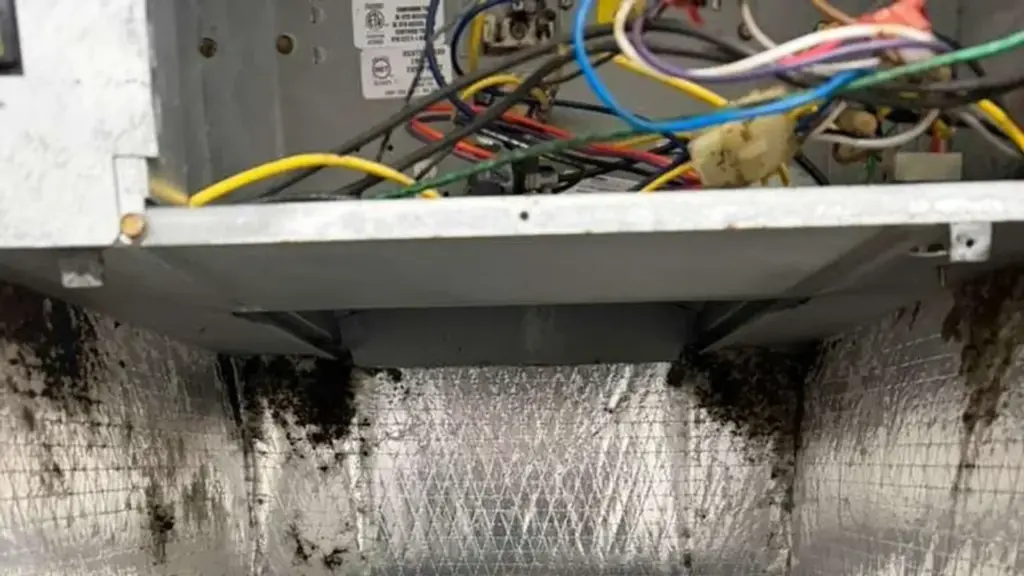
Why Air Duct Cleaning for Allergies Matters in Tampa’s Humid Climate
Tampa’s subtropical climate is beautiful for most of the year, but it creates a hidden problem inside your home: ductwork that collects and recirculates mold spores, dust mites, and pollen with every cycle of your HVAC system. If you or someone in your household deals with persistent sneezing, congestion, or itchy eyes indoors, the air vents overhead may be contributing more than you realize. This guide explains exactly what builds up inside Tampa-area ductwork, how a professional cleaning addresses it, and what to look for before scheduling the service.
Tampa’s Climate Creates a Unique Problem Inside Your Ducts
Humidity Is the Root Cause
Florida averages relative humidity above 70% for much of the year. Inside an HVAC system, supply and return ducts cycle between warm, humid air and cool conditioned air repeatedly throughout the day. That temperature swing causes condensation to form on duct surfaces, especially in flex duct runs that sag or kink. Moisture plus organic debris, which arrives as dust, skin cells, and tracked-in soil, creates conditions where mold colonies and dust mite populations can establish themselves far more easily than in drier climates.
This is not a maintenance failure unique to older homes. Even relatively new ductwork in Tampa can accumulate problematic buildup within a few years if the system runs frequently, has minor air leaks at joints, or if the home has had any water intrusion event.
Pollen Seasons Are Nearly Year-Round
Unlike northern states that get a break from pollen in winter, Tampa sees oak pollen peak in late winter and early spring, grass pollen through summer, and ragweed and mold spores spiking in fall. Because Tampa homeowners run their air conditioning almost continuously, the return-air side of the HVAC system pulls outdoor air through the home constantly. A standard 1-inch fiberglass filter captures large particles, but finer pollen fragments and mold spores pass through and settle inside the duct lining.
Dust Mites Thrive in Florida Conditions
Dust mites require humidity above roughly 50% to survive and reproduce. Tampa’s indoor humidity, even with air conditioning running, often sits between 50% and 60% unless the homeowner actively manages it. Duct interiors, particularly flexible insulated sections, trap the fine debris dust mites feed on. Over time, mite waste particles accumulate inside the duct system and get pushed into living spaces each time the blower runs. For people sensitive to dust mite allergens, this is a continuous, low-level exposure that is easy to overlook because it happens invisibly.
What Actually Happens During a Professional Duct Cleaning
The NADCA-Standard Process
The industry benchmark for residential duct cleaning is the NADCA (National Air Duct Cleaners Association) process. A properly performed cleaning involves placing the entire duct system under negative pressure using a high-powered vacuum collection unit, then agitating debris loose from duct surfaces with rotary brushes or compressed-air whips, and finally collecting everything in a sealed container so it does not re-enter the living space. At Ecovent Dryer Duct Solutions Tampa, this is the approach used for every residential job.
The process covers supply ducts, return ducts, the air handler cabinet, evaporator coil housing, and the blower compartment. Skipping any of those components means debris simply migrates back into the cleaned sections within a few weeks.
Inspection Before and After
A thorough cleaning starts with a visual inspection, often using a camera inserted into the main trunk lines. This shows the technician the actual condition of the duct interior: the depth of debris accumulation, any signs of microbial growth, and whether there are physical defects like disconnected joints or collapsed flex duct sections that would undermine the cleaning’s effectiveness.
After cleaning, a second inspection confirms the work. Homeowners who ask to see before-and-after camera footage get a concrete, visual record of what was removed, which is far more informative than a technician simply saying the job is done.
Sanitizing and Antimicrobial Treatments
In Tampa’s climate, cleaning alone sometimes is not enough. If the inspection reveals active mold growth on duct surfaces, an EPA-registered antimicrobial treatment applied to the interior duct lining can help suppress regrowth. This step is optional and situation-dependent. It is worth discussing with your technician based on what the inspection reveals, not as a default add-on for every home. Learn more about the air duct cleaning process at Ecovent to understand which treatments are appropriate for your specific situation.
Signs Your Tampa Home’s Ductwork Needs Attention
Visible Dust and Debris at Vents
Pull a supply or return vent cover off the wall. If you see a visible layer of gray-brown dust coating the inside of the boot (the metal box connecting the duct to the vent opening), that deposit is being partially released into the room every time the system runs. A small amount of surface dust on the grille itself is normal and cleans off easily. Thick buildup inside the boot, especially if it has a musty smell, is a clearer signal.
Allergy Symptoms That Improve When You Leave the House
This is one of the most telling patterns. If household members consistently feel better outdoors or when staying elsewhere, but symptoms return shortly after coming home, the indoor air environment is worth examining. Ductwork is not the only possible cause, but it is one of the first things to evaluate because it directly affects every room the HVAC system serves.
Inconsistent Airflow or Musty Odors
Rooms that feel stuffier than others, or a faint musty smell that appears when the system first kicks on, both point toward duct-related issues. Musty odors specifically suggest microbial growth somewhere in the air path. Inconsistent airflow can indicate a blockage from accumulated debris or a collapsed flex duct section. Either way, both warrant a professional inspection rather than guesswork.
Duct Cleaning Alone Is Not a Complete Solution
Filtration Matters More Than Most Homeowners Realize
A cleaned duct system recontaminates faster if the filtration protecting it is inadequate. Standard 1-inch fiberglass filters carry a MERV rating of around 1 to 4, which captures large debris but allows finer particles through. Upgrading to a MERV 8 or MERV 11 filter captures a significantly higher proportion of pollen, mold spores, and dust mite fragments before they enter the duct system. The tradeoff is slightly higher static pressure, so confirm with your HVAC technician that your system’s blower can handle the denser filter before upgrading.
Replace filters on schedule. In Tampa, where systems run most of the year, a monthly check is reasonable. A filter that is visually gray and loaded with debris is no longer doing its job effectively, and it forces the blower to work harder, which can shorten equipment life.
Humidity Control Inside the Home
Cleaning the ducts addresses what has already accumulated. Controlling indoor humidity reduces the rate at which new buildup forms. A whole-home dehumidifier integrated into the HVAC system can maintain indoor relative humidity in the 45% to 55% range, which is below the threshold where dust mites reproduce efficiently and where mold growth becomes likely on surfaces. This is especially relevant for Tampa homes with older HVAC systems that struggle to dehumidify adequately during mild weather when the cooling load is low.
Duct Sealing and Integrity
Air leaks at duct joints pull unconditioned air, along with whatever is in the attic or wall cavity, directly into the air stream. In Tampa attics, that means hot, humid air and whatever organic material has settled there. Sealing leaks with mastic sealant or metal-backed tape (not standard duct tape, which degrades quickly in attic heat) is a logical complement to cleaning. If the inspection reveals significant leakage or physical damage, air duct replacement may be the more cost-effective long-term solution compared to repeated cleaning of a compromised system.
How Often Should Tampa Homeowners Clean Their Ducts?
General Guidelines vs. Tampa-Specific Factors
The commonly cited interval for residential duct cleaning is every three to five years for a typical home. Tampa conditions compress that timeline for some households. Factors that justify more frequent cleaning include:
- One or more household members with documented allergies or asthma
- Pets that shed dander (dogs and cats both contribute significantly to duct debris)
- Recent renovation work that generated drywall dust, insulation fibers, or sawdust
- Any past water intrusion event in the home, including roof leaks or flooding
- A home that was vacant for an extended period with the HVAC off
- Older flex duct that has not been inspected in more than five years
After Major Home Events
Renovation is one of the most overlooked triggers for duct cleaning. Even a modest kitchen remodel or bathroom tile replacement generates fine particulate that the HVAC system pulls in and distributes throughout the duct network. If the system was running during or after construction work without the return vents sealed off, a post-renovation cleaning is worth scheduling regardless of when the last cleaning occurred.
Comparing Common Sources of Indoor Allergens in Tampa Homes
| Allergen Source | Why It’s Worse in Tampa | How Duct Cleaning Helps | Additional Steps |
|---|---|---|---|
| Dust Mites | High year-round humidity supports large populations | Removes accumulated mite waste from duct surfaces | Humidity control, MERV 8+ filter |
| Mold Spores | Condensation in ducts creates growth surfaces | Removes colonies; antimicrobial treatment available | Fix moisture sources, improve drainage |
| Pollen | Near year-round seasons, continuous AC use draws it in | Clears settled pollen from duct lining | Upgrade to MERV 11 filter |
| Pet Dander | Indoor pets in AC homes shed year-round | Removes dander buildup from supply and return runs | More frequent filter changes |
| Construction Dust | Active renovation market in Tampa metro | Clears fine particulate post-renovation | Seal return vents during future work |
What to Ask Before Hiring a Duct Cleaning Company in Tampa
Questions That Separate Thorough Work from Surface-Level Cleaning
Not every company that advertises duct cleaning performs the full negative-pressure process. Before booking, ask specifically whether the technician will place the system under negative pressure during cleaning, or whether they use portable shop-vac-style equipment at individual vents. The latter approach cleans only the first few feet of each duct run and leaves the trunk lines and air handler largely untouched.
Also ask whether the air handler cabinet, blower wheel, and evaporator coil housing are included in the scope of work. These components accumulate debris just as the ducts do, and leaving them dirty means allergens remain in the system even after the duct runs are cleaned.
Red Flags to Watch For
A price quote given over the phone without any knowledge of the home’s duct layout, square footage, or system configuration is worth scrutinizing. Duct systems vary considerably in complexity. A single-story ranch with a simple radial duct layout is a different job than a two-story home with multiple air handlers and long flex duct runs in a hot attic.
Similarly, a technician who immediately recommends antimicrobial treatment for every home, without first performing an inspection to confirm whether microbial growth is actually present, is offering a service that may not be needed. Reputable companies let the inspection findings drive the recommendation.
Credentials and Insurance
NADCA membership requires technicians to hold an ASCS (Air Systems Cleaning Specialist) certification, which involves passing an examination on proper cleaning procedures. Asking whether the company and its technicians carry this credential is a reasonable quality check. Also confirm that the company carries general liability insurance. Duct cleaning involves accessing the air handler, which is connected to your electrical system and refrigerant lines, so coverage matters if something goes wrong.
Frequently Asked Questions
Will cleaning my ducts cure my allergies?
No service can cure allergies, and anyone who claims otherwise is overstating what the work does. What a thorough duct cleaning can do is reduce the concentration of airborne allergens circulating through your home’s HVAC system, which may help lessen the frequency or intensity of symptoms for sensitive individuals. It is one piece of a broader indoor air quality strategy, not a standalone medical treatment.
How long does a residential duct cleaning take in a typical Tampa home?
Most single-family homes in the Tampa area take between two and four hours for a complete cleaning, including the air handler components. Larger homes with multiple HVAC systems, or homes with extensive flex duct runs in the attic, take longer. A technician can give you a more accurate estimate after reviewing the system layout.
Can I clean my own air ducts to save money?
Homeowners can remove and wash vent covers and vacuum the first several inches of each duct boot, which is worth doing periodically. However, the main trunk lines, return plenums, and air handler components require professional equipment to clean effectively. Without negative-pressure containment, disturbing debris deep in the duct system can actually release more particles into the living space rather than removing them.
My home is only three years old. Do I still need duct cleaning?
Possibly. If the home was built or renovated recently, construction dust may have entered the system during the build. If the home is in a Tampa neighborhood with heavy tree canopy, pollen loads can be significant even in newer construction. An inspection is the honest answer: it tells you the actual condition of the ducts rather than relying on age as a proxy for cleanliness.
Does duct cleaning help with musty smells in my Tampa home?
When the musty odor originates from mold or mildew inside the duct system, cleaning and antimicrobial treatment often reduce or eliminate it. If the smell persists after cleaning, the source is likely elsewhere, such as the evaporator coil drain pan, the condensate line, or moisture in the building envelope. A good technician will tell you honestly if the duct system appears to be the source or if the investigation needs to go further.
How soon after cleaning will I notice a difference in air quality?
Many homeowners notice a difference within the first few days, particularly a reduction in visible dust settling on surfaces and a fresher smell when the system runs. For allergen-related symptoms, improvement tends to be gradual over several weeks as the concentration of airborne particles in the home decreases with each HVAC cycle.
Conclusion
Tampa’s heat, humidity, and long pollen seasons make ductwork maintenance more important here than in most parts of the country. Mold, dust mites, and pollen all find favorable conditions inside Florida duct systems, and a properly performed cleaning using negative-pressure equipment addresses what has built up over years of continuous use. Pair that with the right filter, reasonable humidity control, and periodic inspections, and you give your household the best realistic chance at cleaner indoor air. If you are ready to find out what is actually inside your duct system, schedule your air duct cleaning with Ecovent Dryer Duct Solutions Tampa today.