
Why Air Duct Cleaning in Tampa Fails Without Addressing Attic Insulation and Leakage
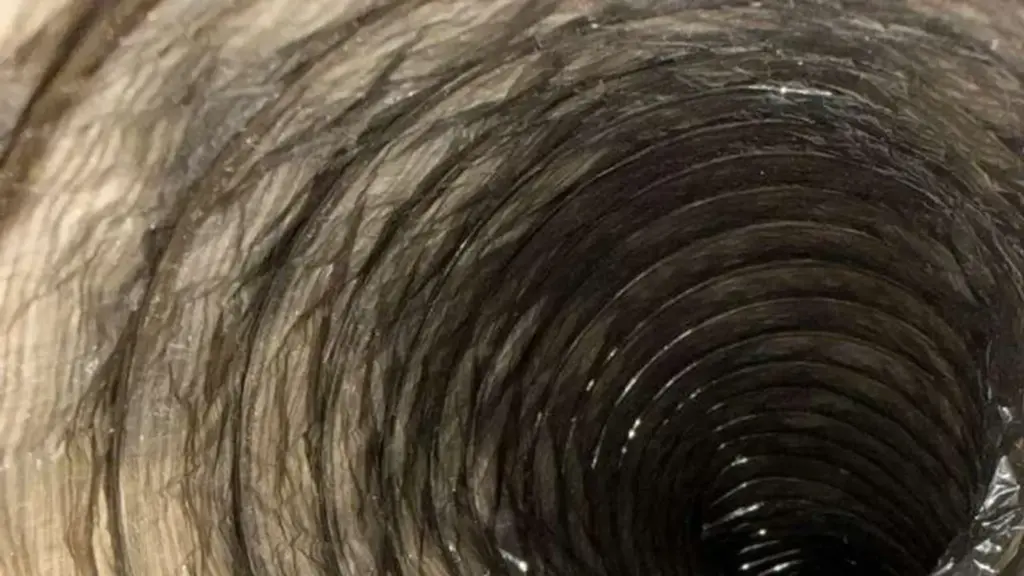
Many homeowners in the Tampa Bay area invest in professional air duct cleaning to clear out household dust, only to find the very same thin layer of gray debris returning to their register grates just a few weeks later. The reality is that vacuuming out your ventilation system without addressing what lies directly above it in the attic is a temporary fix. In our humid, coastal climate, your air conditioning system does not operate in a vacuum, meaning hot attics, deteriorating fiberglass, and unsealed pipe penetrations work day and night to pull dirty attic air into your living spaces. Achieving long-term indoor air quality Tampa households can actually feel requires looking at the entire attic ecosystem, not just the inside of your metal or flex ducts.
The Hidden Attic Connection to Your Household Air Quality
The Physics of Attic Air Intrusion
Your attic space is a hostile environment for an HVAC system. On a typical July afternoon in Tampa, the temperature inside an unventilated or poorly insulated attic can easily climb past 130 degrees Fahrenheit. Because warm air is less dense, it creates a natural pressure differential between the hot attic and your cool, air-conditioned living spaces. When your central air handler kicks on, it creates a powerful localized vacuum. If there are any openings in your ceiling or tears in the outer jacket of your flex ducts, this pressure difference forces hot, dusty, and humid attic air directly into your home’s breathing zone.
How Deteriorating Attic Insulation Ends Up in Your Ducts
Older homes in neighborhoods throughout Tampa, Florida, often contain blown-in cellulose or deteriorating fiberglass batts that have degraded over decades of intense heat exposure. As these insulation materials age, they break down into microscopic fibers and fine dust particles. Every time your attic hatches bounce from air pressure changes, or whenever there is minor movement in the ceiling drywall, these tiny insulation fibers drift. If your return plenums are not completely airtight, this hazardous material is sucked straight into your mechanical ventilation system, bypassing your standard air filter and dirtying your freshly swept ducts instantly.
The Role of High Humidity in Contaminant Adhesion
Tampa’s legendary outdoor humidity levels do not stay outside. When hot, moisture-laden air leaks from the attic into your cold ductwork, it reaches its dew point almost immediately. This creates micro-condensation, a thin film of moisture coating the interior walls of your AC ducts. This damp surface acts like a magnet for any passing dust, pollen, or pet dander. Even the most thorough cleanings cannot prevent new dust from gluing itself to these moist surfaces if the humid air leaks remain unaddressed.
The Shocking Truth About Attic Heat and Duct Condensation
The Cold Glass of Water Effect
Think of your ductwork like a cold glass of iced tea sitting on a patio table in August. Within minutes, beads of water form on the outside of the glass. The exact same process occurs on the exterior surface of your metal or thin flex ducts when they are buried in a hot, uninsulated attic. If your insulation is thin, uneven, or missing entirely in sections, the temperature boundary between the cool metal duct and the blazing attic air is compromised. This condensation eventually saturates the surrounding insulation and creates a breeding ground for musty odors.
Why Cleaning Alone Cannot Stop the Sweat
An ac duct cleaning removes the existing buildup of dust, skin flakes, and pet hair. However, it does nothing to fix the thermal bridging causing your ducts to sweat. As soon as the cleaning technician packs up their equipment and leaves, your AC system turns back on, the metal cools down, and the humid attic air condenses on the duct surfaces once again. This moisture quickly traps the very next wave of household dust, rendering the cleaning effort obsolete within a matter of months.
Thermal Performance and System Run Times
When attic insulation is degraded, your entire HVAC system must work twice as hard to keep your home cool. Longer run times mean your ducts are subjected to extended periods of low temperatures, which increases the duration of sweating and condensation. It also means more air volume is circulated through the system daily, pulling more ambient dust through any structural cracks or joint leaks in your home’s ductwork.
How Attic Duct Leaks Bypass Your Air Filters
Understanding Return Duct Negative Pressure
Most homeowners assume their furnace or air handler filter catches all airborne particles. This is only true if your system is completely sealed from the filter to the blower motor. In reality, the return ductwork, which pulls air from your rooms back to the AC unit, operates under negative pressure. If there is a tear in the flex duct connection in your attic, or if the connection at the drywall boot is unsealed, the system will pull air from the path of least resistance: the hot, dusty attic. This raw, unmanaged air bypasses your air filter entirely, dumping attic dust and insulation fibers straight onto your evaporator coil and out through your supply registers.
If you want it handled correctly the first time, consider professional air duct cleaning in Tampa, FL 33609.
The Anatomy of Common Duct Leaks
Duct systems are not single solid pieces; they are assemblies of multiple components joined by tape, mastic, or metal bands. Over time, the extreme heat of a Tampa attic causes adhesive tapes to dry out, curl, and fail. The typical points of failure include:
- The Plenum Connections: The main supply and return boxes attached directly to the indoor air handler.
- Y-Spurs and Branch Takeoffs: Where large main ducts split into smaller runs to feed individual rooms.
- Register Boot Connections: The metal elbows that connect the flexible duct to the ceiling drywall grates.
Why Sealing and Cleaning Must Go Hand-in-Hand
Performing a tampa air duct cleaning without verifying the physical integrity of the duct joints is like mopping a floor while the roof is actively leaking. Professional duct sealing closes these structural gaps, ensuring that only pre-filtered household air enters your HVAC system, preserving the cleanliness of the interior duct walls for years rather than weeks.
The Cycle of Re-Contamination in Tampa Homes
The Stack Effect in Southern Homes
The stack effect is a natural physical process where warm air rises and escapes through upper levels of a building, drawing cooler air in at the bottom. In a single-story or two-story home in Tampa, this movement creates a pressure dynamic that draws air up from crawlspaces or through wall cavities and pushes it out through unsealed attic hatches, ceiling light fixtures, and duct boots. This continuous upward draft carries a constant stream of particulate matter, depositing it into any open gaps in your HVAC system.
Comparing Sealed vs. Unsealed Duct Ecosystems
The table below highlights the operational differences between a standard duct cleaning alone and a comprehensive system approach that includes attic insulation management and professional sealing.
| System Component | Duct Cleaning Only | Cleaning + Insulation & Sealing |
|---|---|---|
| Duct Interior Surfaces | Temporarily clean, but prone to rapid dust accumulation due to condensation. | Stays clean and dry because moisture and attic air are blocked. |
| HVAC Filter Efficacy | Partially bypassed by return-side leaks drawing raw attic air. | 100% of circulated air passes through the filter as designed. |
| Attic Air Intrusion | High. Hot, humid air continues to enter the living space. | Eliminated. The barrier between living spaces and the attic is intact. |
| System Run Times | Longer cycles due to thermal loss through thin attic insulation. | Shorter, more efficient cycles due to stabilized home temperatures. |
The Long-Term Cost of Ignoring the Attic
While skipping the attic assessment might seem like a way to save money upfront, it leads to recurring maintenance costs. Homeowners find themselves booking repeat cleaning appointments to combat the persistent musty smells and dusty surfaces. Additionally, the extra workload on your compressor and fan motor from leaking, uninsulated ducts can shorten the lifespan of your expensive AC equipment.
The Solution: A Comprehensive Three-Step Attic and Duct Strategy
Many Tampa, FL 33609 homeowners rely on expert air duct cleaning in Tampa, FL 33609 for exactly this.
1. Rigorous Mechanical Cleaning
The first phase must always involve clearing out the existing accumulation of dust, pollen, and debris. Technicians use specialized negative air machines and rotary brushes to safely dislodge and extract contaminants from deep within the metal or flexible duct lines without releasing them into your living spaces. This step establishes a clean baseline for your entire indoor air delivery system.
2. Precision Duct Sealing
Once the system is clean, technicians must address the connection points. Using high-performance mastic joint sealant or specialized foil tapes, every seam from the air handler cabinet to the ceiling registers is meticulously sealed. This physical barrier stops the negative pressure from pulling attic air, dust, and insulation fibers into your supply streams, ensuring your clean system stays clean.
3. Attic Insulation Optimization
The final step is establishing an adequate thermal barrier. This involves sealing the floor of your attic (your home’s ceiling) to prevent conditioned air from escaping, followed by installing high-quality insulation to the recommended R-value for our Florida zone. This step stabilizes attic temperatures, reduces the risk of duct sweating, and lowers your monthly cooling bills by keeping the heat where it belongs: outside your home.
Frequently Asked Questions
How do I know if my attic insulation is affecting my indoor air quality?
If you notice thin layers of gray, powdery dust settling on flat surfaces shortly after dusting your home, or if you see dark, dirty rings around your ceiling supply registers, attic air may be bypassing your filtration system. Fluctuating room temperatures and high indoor humidity are also strong indicators that your attic insulation and duct barriers are compromised.
Can I seal my own ducts in the attic?
While light homeowner maintenance like replacing accessible filters is safe, sealing ducts inside a cramped, hot attic is a difficult and risky task. Attics pose physical hazards, including stepping off ceiling joists through drywall and exposure to fiberglass particles. Professional technicians have the training, safety equipment, and specialized sealants required to access tight spaces and perform lasting repairs safely.
How long should a professional duct cleaning last?
Under normal conditions with proper home maintenance, a professional cleaning can keep your system clear for several years. However, if your system has active attic air leaks or deteriorating insulation, the ducts can become heavily re-contaminated with dust and fine debris in as little as a few months.
Is fiberglass insulation in the air ducts harmful?
While modern insulation is designed to remain in place, deteriorating or disturbed fiberglass fibers can cause physical irritation to the skin, eyes, and respiratory tract if they are drawn into your home’s air stream. Sealing return leaks is essential to prevent these airborne fibers from circulating through your living spaces.
Achieve Lasting Comfort and Cleaner Air Today
Do not waste time and money on a superficial cleaning that ignores the root cause of your home’s dust and moisture issues. Let the experienced local professionals at Ecovent Dryer Duct Solutions Tampa inspect your entire attic system, seal your leaking duct joints, and ensure your home’s air barrier is fully protected. Contact us now to schedule your air duct cleaning today and enjoy a cleaner, more energy-efficient home.