
Evaluating Professional Air Duct Cleaning in Tampa: Airflow Signs and Diagnostic Questions to Ask
Tampa homeowners live with a unique set of climate challenges. High outdoor humidity, relentless sunshine, and seasonal pollen combine to put immense stress on residential cooling systems. When your air conditioner struggles to keep your home comfortable, the issue might not lie within the cooling unit itself, but deep inside your ductwork. Understanding how your ventilation pathways impact system performance is the first step toward restoring comfort and efficiency to your home.
The Hidden Link Between Tampa Humidity and Restricted Airflow
Your cooling system does more than just lower the temperature in your home; it acts as a massive dehumidifier. In Hillsborough County, where summer humidity levels routinely exceed eighty percent, the moisture extraction process is continuous. If your air distribution system is compromised, this delicate balance of temperature and moisture control quickly breaks down.
How Moisture Accelerates Dust Accumulation
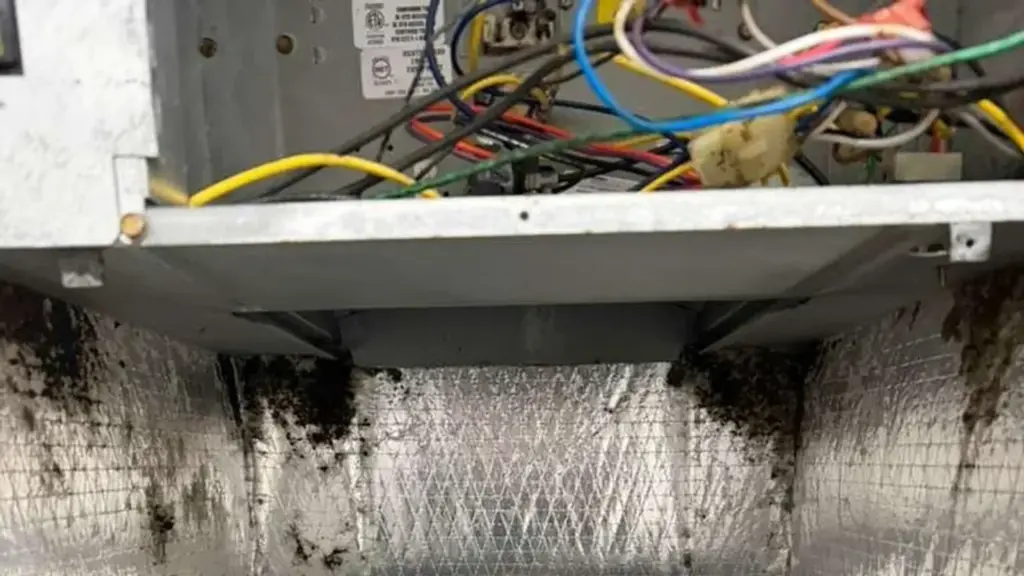
When humid air enters return vents, it carries microscopic particles of skin flakes, pet dander, and outdoor pollen. If moisture levels inside the ductwork remain high due to slow cycle times or poor system design, these dry particles cling to the interior metal or fiberglass surfaces. Over time, this creates a sticky, textured layer that acts like a magnet for more debris. This accumulation narrows the physical path air must travel, forcing your fan motor to work harder to distribute conditioned air.
The Visual Warning Signs on Supply Registers
You can often assess the condition of your ventilation system simply by looking up. Dark, fuzzy rings surrounding your ceiling registers, sometimes called ghosting, are clear indicators of airflow resistance and dirty pathways. This happens because restricted air must force its way through narrow openings, creating static electricity that pulls household dust directly onto the surrounding drywall and register grates. If you clean these vents only to see the dark soot return within a few weeks, it is time to look deeper into the system.
Recognizing Hot Spots and Uneven Room Temperatures
When debris blocks the interior pathways of your ducts, the room furthest from your indoor handler usually suffers first. If your master bedroom feels warm and stuffy while your living room feels like an icebox, your air distribution is unbalanced. This unequal airflow is a common consequence of restricted runs, disconnected trunk lines, or internal blockages that require professional inspection.
Why Simple Air Filter Replacements Are Not Always Enough
Many homeowners believe that sliding a fresh, high-MERV filter into the return grille solves all airflow and air quality concerns. While routine filter changes are essential for basic maintenance, they only protect the equipment from large incoming particles. They cannot address the deep accumulation that has already settled within your branch lines and plenum box.
The Limits of Standard Pleated Filters
A standard air filter is designed to protect the evaporator coil from getting coated in debris. It is not designed to scrub the air of all microparticles, nor can it clean up historical buildup. If your system ran for even a few weeks without a filter, or if a previous filter was installed incorrectly, dust bypassed the barrier and settled directly into the distribution network. Once debris settles in the ducts, it remains there until physically removed by specialized vacuum systems.
The Risk of High-MERV Restricted Flow
In an effort to improve indoor air quality in Tampa, some homeowners purchase thick, high-efficiency filters without realizing their system cannot handle the resistance. If your ducts are already lined with buildup, adding a restrictive, high-density filter can starve your blower motor of air. This causes the evaporator coil to freeze over, potentially leading to water damage in your ceiling or closet and premature compressor failure.
The Cumulative Impact of Construction Debris
If your home has undergone a remodel, or if you live in a newer development in areas like Brandon or Riverview, your ventilation system may contain heavy deposits of drywall dust, sawdust, and floor sanding debris. This heavy, fine dust settles quickly in the low points of your ductwork. Unlike light household dust, heavy construction debris rarely migrates to the filter on its own and requires mechanical agitation to remove.
Crucial Diagnostic Questions to Ask a Tampa Duct Contractor
Not all ventilation cleaning services are performed to the same standard. To protect your home and ensure your investment delivers real results, you must ask targeted questions before hiring a company for air duct cleaning tampa.
1. What cleaning method do you use to remove stuck-on debris?
A reputable contractor should use a combination of physical agitation and negative pressure. Avoid companies that rely solely on a flexible hose attached to a standard shop vacuum. The industry standard involves sealing the system, connecting a high-volume collector to the main trunk line, and using rotary brushes, air whips, or skipper nozzles to dislodge debris directly into the containment unit.
2. How do you protect my home from cross-contamination?
The cleaning process should never release dust into your living spaces. Ask if they use HEPA-filtered vacuum equipment to prevent fine particles from exhausting back into your rooms. Additionally, the technician should seal off each supply register with specialized plastic adhesive covers before beginning work, ensuring that dust dislodged in one part of the house does not blow out into another.
3. Will you inspect the evaporator coil and blower motor?
Cleaning the runs without addressing the air handler components is only half a job. If your blower wheel is coated in dust, its curved blades cannot push air efficiently. Similarly, a dirty evaporator coil blocks airflow completely. Ensure your service provider inspects these critical areas and offers solutions if they find significant buildup on the heat exchange surfaces.
The Financial and Operational Reality of Duct Cleaning Costs
When searching for service providers, you will encounter a wide range of pricing structures. Understanding what goes into a professional service quote helps you identify suspicious offers and select a contractor who will do the job right the first time.
The overall ac duct cleaning cost in tampa depends primarily on the size of your home, the number of zones or air handlers you have, and the physical accessibility of your ductwork. Homes built on concrete slabs with ductwork routed through tight attic spaces often require more labor than homes with easily accessible utility rooms.
Be cautious of exceptionally low flat-rate offers advertised on social media or local flyers. These offers are frequently used as bait-and-switch tactics. Once the technician arrives, they may perform a superficial cleaning of only the register vents or claim you have severe mold issues that require expensive, unneeded treatments. A professional contractor will charge based on the number of vents or a detailed inspection of your specific hvac ventilation system layout.
Step-by-Step Breakdown: What a Thorough Service Looks Like
To help you evaluate whether a service is being performed correctly, it helps to know the step-by-step sequence of a professional ventilation system cleaning. A standard job for an average-sized home in Tampa should take several hours, not thirty minutes.
| Service Phase | What the Technician Does | Why It Matters for Your System |
|---|---|---|
| 1. Initial Inspection | Uses camera systems or mirrors to check duct integrity, material type (flexible vs. sheet metal), and dust levels. | Identifies broken joints or torn flexible ducts before applying vacuum pressure, preventing system damage. |
| 2. System Isolation | Seals supply vents with plastic covers and hooks up a powerful containment collector to the main trunk. | Creates a continuous negative pressure zone so no dust escapes into your living areas during the cleaning process. |
| 3. Mechanical Agitation | Runs rotary brushes, air whips, or physical sweep tools through each individual duct run toward the collector. | Dislodges stubborn, sticky debris stuck to the duct walls that suction alone cannot remove. |
| 4. Component Cleaning | Cleans the register grilles, plenum boxes, and checks the blower wheel assembly inside the cabinet. | Ensures the entire circulation loop is free of dust, maximizing the efficiency of your cooling system. |
| 5. Post-Verification | Performs a visual review of the main runs and runs a system test to ensure normal airflow operation. | Confirms that all blockages are gone and that your heating and cooling system is operating safely and efficiently. |
The Importance of Physical Duct Integrity and Leak Prevention
Clean ducts are only beneficial if they are physically intact. During a professional service, the technician should pay close attention to the structural condition of your air distribution system. In Tampa, attic spaces can reach temperatures well over 130 degrees, causing tape adhesives to fail and joints to separate.
The Problem of Attic Air Infiltration
If you have tears or separated seams in your attic ductwork, your system will pull hot, dusty, and humid attic air directly into your home. This bypasses your air filter completely, leading to rapid dust accumulation in your rooms and high utility bills. A professional cleaning process should always start with an evaluation of your ductwork integrity to ensure you are not wasting energy.
Preventing Condensation Issues
When hot attic air meets cold metal or plastic ductwork, condensation forms on the exterior of the ducts. If this moisture is allowed to drip onto your drywall ceilings, it can cause staining and structural soft spots. Properly sealed and insulated ducts prevent this thermal transfer, keeping moisture outside where it belongs.
Extending the Lifespan of Your AC Unit
By resolving airflow restrictions and sealing minor leaks, you reduce the workload on your air compressor and blower motor. When your system does not have to fight against static resistance, it runs shorter, more efficient cycles, which can help prevent premature system failures and save you money on long-term replacement costs.
Frequently Asked Questions
How often should I have my air ducts cleaned in Tampa?
Most homes benefit from a professional inspection and cleaning every three to five years. However, if you have multiple pets, suffer from seasonal sensitivity, or have recently completed a major home renovation, you may want to have your system checked more frequently.
Can dirty ducts cause my AC coils to freeze?
Yes. Heavy buildup inside your return lines or on your filter restricts the airflow over your evaporator coil. Without enough warm air passing over the cold coils, the condensation on them can freeze, blocking air delivery entirely and potentially damaging your compressor.
What is the difference between duct cleaning and duct sealing?
Duct cleaning physically removes dust, debris, and blockages from inside your ventilation lines. Duct sealing repairs physical gaps, cracks, and disconnected joints in the ductwork, preventing cold air from escaping into your attic and hot attic air from entering your system.
Will cleaning my air ducts lower my electric bill?
If your ducts have significant blockages or dirt buildup on the blower wheel and coils, cleaning them can restore proper airflow. This helps your system cool your home faster, leading to shorter running cycles and lower monthly energy usage.
Restore Your Home’s Airflow and Efficiency Today
If you are experiencing uneven cooling, dusty vents, or rising energy bills in your Tampa home, it is time to check the condition of your air distribution network. Contact Ecovent Dryer Duct Solutions Tampa to schedule your air duct cleaning today and enjoy a more comfortable, efficient home.