
Residential Air Duct Cleaning Tampa: What to Expect During Your Service
Stepping into a service appointment without knowing what will happen in your home can feel unsettling. For homeowners in the Tampa Bay region, maintaining clean ventilation pathways is essential for managing the fine sand, pollen, and humidity-driven debris that filters indoors. If you have scheduled an appointment for professional air duct cleaning tampa, understanding the actual sequence of events, from the setup to the final system check, helps you prepare your living space and removes any guesswork about the work underway.
Clean Air Ducts Require More Than Just a Shop Vac
The Difference Between Surface Cleaning and Source Removal
A common misconception is that ventilation maintenance is a simple task that can be completed with a standard household utility vacuum and a long brush. In reality, a superficial sweep of the register grates only addresses the visible entry points. True restoration requires source removal, which involves placing the entire ventilation system under continuous negative pressure to draw deep-seated contaminants out of the branches and main trunk lines without releasing them into your living areas.
How Commercial Equipment Protects Indoor Air Quality
Ecovent Dryer Duct Solutions Tampa uses specialized negative air machines fitted with High-Efficiency Particulate Air (HEPA) filtration systems. These heavy-duty collectors pull massive volumes of air through the ductwork, trapping particles as small as 0.3 microns. By running these units throughout the process, technicians ensure that any dislodged dust, pet hair, or construction debris is securely drawn into a contained filtration unit rather than escaping into your bedrooms, kitchen, or living room.
Why Specialized Brushes and Agitators Are Necessary
Because the interior walls of your ductwork can collect sticky residues, especially in humid Florida environments where moisture binds dust together, suction alone is not enough. Technicians utilize compressed-air whips, rotary brushes, and direct contact tools that glide through the pipes. These mechanical agitators scrub the sheet metal or fiberglass duct board surfaces clean, releasing stubborn buildup so the negative pressure system can immediately carry it away.
The Pre-Service Assessment and System Inspection
Evaluating the Air Handler and Supply Lines
The process begins before any vacuum hoses are brought into the home. Technicians conduct an initial inspection of the entire heating, ventilation, and air conditioning system. This includes examining the indoor air handler, locating all supply vents (the registers that blow conditioned air into your rooms), and finding the return grates (where air is drawn back into the system). Understanding the layout allows the team to plan the cleaning path and prevent damage to delicate components.
Checking the Physical Integrity of the Ductwork
During this inspection phase, the technician checks for physical issues such as collapsed flexible ducting, broken seams, or disconnected joints. Cleaning a severely damaged duct can worsen existing tears or pull in hot, dirty crawlspace air. If extensive wear is identified, the technician may suggest discussing options like air duct replacement to restore system efficiency before proceeding with a deep clean.
Establishing a Baseline for the Cleaning Process
Our technicians often use specialized inspection cameras to peek deep inside the main trunk lines. This visual check allows them to see the exact type of accumulation present, whether it is light drywall dust from a recent home renovation, heavy pet dander, or buildup from high indoor humidity. This step helps customize the choice of agitation tools for your specific duct materials.
Step-by-Step Walkthrough of the Physical Cleaning Process
Step 1: System Isolation and Hooking Up the Negative Pressure
To clean your system systematically, technicians isolate the supply side from the return side. They connect the primary collection hose from the HEPA-filtered negative air machine to a strategic point in the ductwork, often near the air handler. To ensure the vacuum pressure remains concentrated on the specific line being cleaned, the technicians temporarily cover all individual wall, floor, or ceiling register vents with specialized plastic sealing tape.
Step 2: Cleaning the Supply Ducts from the Inside Out
With the negative pressure system running, the technician moves systematically from room to room. At each register, they remove the plastic cover and insert an agitation tool, such as a pneumatic whip or a flexible rotary brush, deep into the branch line. The tool moves backward toward the main trunk line, dislodging dirt and debris, which is immediately swept away by the high-velocity vacuum stream. Once a branch is cleared, the technician reseals the vent and moves to the next room.
Step 3: Addressing the Return Side and Main Plenum
The return ductwork typically contains some of the heaviest concentrations of household dust because it draws air directly from your living areas. Technicians clean these return lines using the same methodical agitation and vacuum extraction. Special care is taken at the main return plenum, the central chamber where air collects before passing through the filter, to ensure that no stagnant particulate layers remain to re-enter your air supply.
How to Prepare Your Home for the Technicians
Clear Paths and Walkways
To help the service run as smoothly as possible, ensure there is a clear path of travel throughout your home. Technicians will need access to every single vent cover, which are often located in high corners, under furniture, or inside closets. Moving lightweight tables, plants, or decorative items away from these registers before the crew arrives speeds up the process and prevents accidental damage to your belongings.
Secure Pets and Alert Family Members
The machinery used during a professional air duct cleaning service can be quite loud, and exterior doors may remain propped open slightly to accommodate vacuum hoses. It is highly recommended to secure pets in a quiet, comfortable room or a kennel where they will not be startled by the noise or slip outside unnoticed. Let everyone in the household know that the heating and cooling system will be turned off for the duration of the visit.
Clear Space Around the Air Handler
Technicians will need room to work around your indoor air handler unit, whether it is located in a garage, a dedicated utility closet, or an attic. Clearing away stored storage boxes, cleaning supplies, and holiday decorations from this immediate area ensures a safer and more efficient workspace, allowing the team to focus on the technical details of your ventilation system.
Comparing DIY vs. Professional Ventilation Care
Understanding the limits of DIY methods can save you from accidental system damage and unneeded frustration. Below is a comparison of what a homeowner can safely perform versus what requires professional attention.
| Task / Capability | DIY Homeowner Maintenance | Professional Service (Ecovent) |
|---|---|---|
| Vacuuming Register Grates | Yes, safe to do with a brush attachment to remove surface dust. | Yes, combined with deep extraction. |
| Deep Duct Agitation | No, standard home vacuums lack the reach and can damage duct linings. | Yes, using specialized pneumatic whips and rotary brushes. |
| System Negative Pressure | No, standard shop vacuums blow fine particles back into the room. | Yes, using HEPA-filtered vacuum systems to isolate debris. |
| Filter Replacement | Yes, should be replaced every 30 to 90 days. | Yes, can be done as part of the post-cleaning process. |
| Component Sanitization | No, requires specific tools and approved products for HVAC use. | Yes, safe application of specialized deodorizers when needed. |
Post-Cleaning Review and Quality Assurance
Final System Testing and Air Flow Evaluation
Once all the supply and return lines have been cleaned, the technician removes the seals from the registers and disconnects the negative air machine. The main access points are sealed using professional-grade, airtight metal patches and foil tape designed to maintain system pressure. The technician then turns the HVAC unit back on to ensure it starts up correctly, runs smoothly, and maintains balanced airflow across all rooms.
Visualizing the Cleaning Results
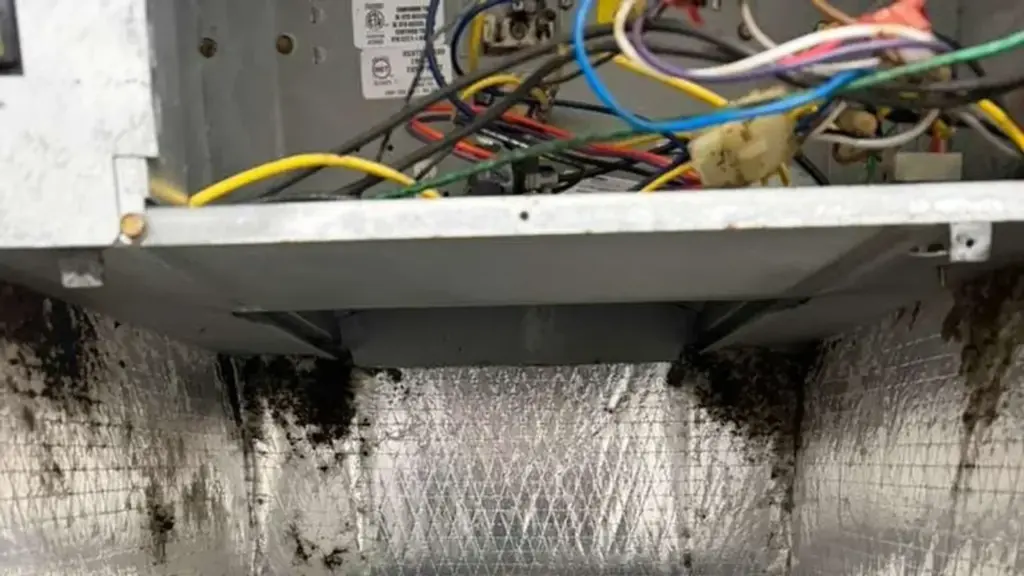
A reputable professional service will gladly show you the results of their work. Many technicians use digital cameras to capture photos of the main trunk lines before and after the cleaning. Seeing the difference between a dust-laden metal channel and a clear, clean surface provides peace of mind that the job was completed correctly and that the airflow pathways are clear of obstruction.
Tips for Maintaining System Cleanliness
After your service is complete, maintaining a clean system is straightforward. Change your air filters on a regular schedule, especially during high-use summer months in Tampa. Keeping your home clean by sweeping, vacuuming carpets, and occasionally wiping down return grates helps prevent the rapid re-accumulation of household debris within your newly cleaned ductwork.
Frequently Asked Questions About Duct Care
How long does a professional air duct cleaning service take?
For an average-sized single-family home in Tampa, a thorough cleaning typically takes between three to five hours. The exact time depends on the size of the home, the accessibility of the ductwork, and the number of heating and cooling zones present.
Will the cleaning process leave dust all over my furniture?
No, a professionally executed service should not release dust into your home. Because the system is kept under continuous negative pressure throughout the cleaning process, dislodged particles are drawn straight into the HEPA collection system rather than settling on your household surfaces.
How often should I schedule duct cleaning for my Tampa home?
Most homes benefit from a professional cleaning every three to five years. However, if you have multiple pets, suffer from seasonal allergies, or have recently completed a major home renovation, you might want to consider more frequent cleanings to manage the increased dust loads.
Does professional cleaning help remove pet odors from the home?
Yes. Pet hair, dander, and oils frequently settle inside the return air ducts, where they can create a persistent musty smell whenever the system cycles on. Removing these trapped organic materials can help freshen the overall scent of your indoor air.
Schedule Your Ventilation Service in Tampa
Regular maintenance of your air ducts is a practical step toward keeping your home’s air distribution pathways clean, efficient, and running smoothly. If you are ready to improve your home’s indoor environment and want a thorough, worry-free process from start to finish, contact Ecovent Dryer Duct Solutions Tampa today to schedule your air duct cleaning today.