
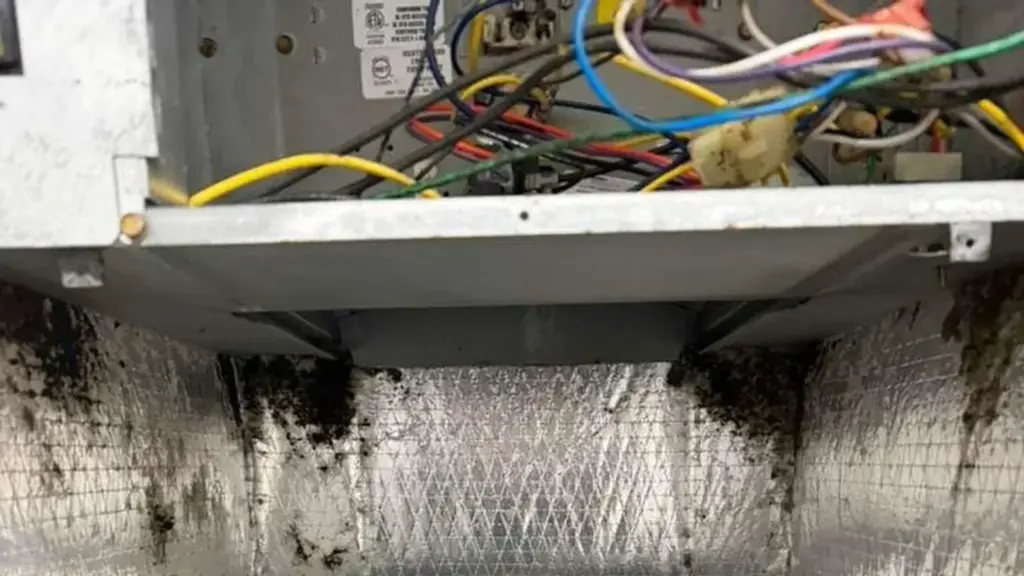
Keeping Your HVAC System Fresh: Clean AC Vents Home Maintenance Tampa Guide
You step inside your home after a hot afternoon spent out near Tampa Bay, expecting a breath of crisp, clean air, but instead, you notice a faint drift of dust dancing in the sunlight streaming through your living room window. Perhaps you just had a professional team clear away years of debris, or maybe you are simply trying to keep your indoor spaces as pristine as possible. Maintaining a freshly cleaned HVAC system is a continuous process, especially in our coastal Florida climate where the atmosphere works hard against our indoor comfort. Establishing a routine for clean ac vents home maintenance tampa is the single best way to protect your physical investment and keep your home feeling light and airy.
When you invest in a professional service like air duct cleaning tampa, you establish a clean baseline for your entire property. However, the air in your home is constantly recirculating, carrying pet dander, outdoor pollen, and cooking residues back through your ductwork. Without consistent post-cleaning habits, those pristine metal pathways can quickly begin collecting particles all over again. By taking small, strategic steps, you can prolong the freshness of your system and enjoy the full benefits of your service for years to come.
Understanding the Tampa HVAC Environment
Our local climate presents specific challenges that homeowners in drier parts of the country simply do not have to manage. In Tampa, the combination of high outdoor humidity, salt-tinged air, and near-constant air conditioning usage means that our duct systems are highly active and prone to moisture retention. When warm, humid air meets the chilled metal or fiberglass surfaces of your ductwork, condensation can occur. This moisture acts like a magnet for any floating dust particles, creating a sticky layer inside your vents.
Because our air conditioners run for the majority of the year, the volume of air passing through your system is incredibly high. This constant circulation makes your filtration choices and vent maintenance routines highly impactful. Keeping up with simple home maintenance helps prevent that moisture-and-dust combination from settling, ensuring your system remains efficient and your indoor spaces stay welcoming.
Before You Start: Your Post-Clean Maintenance Kit
Before beginning your maintenance routine, gather these basic tools and safety items to make the process smooth and effective:
- A high-quality microfiber cloth (dry and slightly damp)
- A vacuum cleaner equipped with a brush attachment and a HEPA filter
- A sturdy step ladder to safely reach high wall or ceiling registers
- Replacement HVAC air filters (sized correctly for your system)
- A mild, non-abrasive household cleaning spray (avoid harsh chemical odors)
- A pair of lightweight utility gloves
Step 1: Inspect and Change Your Air Filters Regularly
The air filter is your HVAC system’s primary shield against airborne debris. After a deep cleaning, your system will run more freely, but it relies on a clean filter to intercept new dust before it can enter the supply and return ducts. Check your filter every thirty days, especially during the peak of summer when the system operates continuously. If you see a grey layer of dust coating the pleats, it is time for a replacement.
When selecting a filter, balance filtration power with airflow. For most residential systems, a MERV 8 to MERV 11 filter offers an excellent balance, catching fine dust and pollen without restricting the airflow your system needs to run efficiently. Always note the direction of the airflow arrow printed on the filter frame to ensure it is installed pointing toward the air handler unit.
Step 2: Clean and Dust All Vent Covers and Grilles
Dust naturally settles on the external slats of your supply registers and return grilles over time. If left untouched, this surface dust can be pulled back into the system or pushed out into your living areas. Use a soft microfiber cloth or a vacuum brush attachment to remove loose particles from the vents once a month.
For kitchen or bathroom vents where grease or humidity might cause dust to cling, remove the vent covers entirely. Wash them in warm, soapy water, rinse thoroughly, and let them dry completely before screwing them back into place. Keeping these entry and exit points clean prevents unsightly dark smudges from forming on your ceilings and walls.
If you want it handled correctly the first time, consider professional air duct cleaning in Tampa.
Step 3: Vacuum Near Return Registers and High-Traffic Areas
Your return registers pull air from your living spaces back into the HVAC system to be cooled and filtered. This means any dust, pet hair, or carpet fibers near these vents are likely to be drawn inside. Vacuum the carpet and baseboards directly surrounding your return grilles at least once a week.
Using a vacuum with a sealed HEPA chamber ensures that the dust you pick up is actually trapped, rather than exhausted back into your indoor air. Pay extra attention to high-traffic hallways and areas near pet beds, as these are the primary sources of airborne fibers that eventually find their way into your ductwork.
Step 4: Manage Indoor Humidity Levels
Because humidity plays such a significant role in how dust settles inside ductwork, controlling indoor moisture is a vital step in maintaining a clean system. Aim to keep your indoor relative humidity between 30% and 50%. You can monitor this easily with an inexpensive digital hygrometer placed in a central area of your home.
To keep humidity in check, always run your bathroom exhaust fans during and after showers, and use the range hood fan while cooking. If your home tends to feel sticky even when the air conditioner is running, consider using a standalone dehumidifier in damp areas, or talk to an HVAC professional about whole-home dehumidification options that integrate directly into your system.
Step 5: Keep Exterior Condensate Lines Clear
Your air conditioner removes an incredible amount of moisture from the air as it cools. This water drains out of your home through a condensate drain line. If this line becomes clogged with algae or debris, water can back up into the indoor drain pan, raising local humidity levels or even spilling into your home’s structure.
Locate your outdoor condensate drain line, usually found near the outdoor compressor unit. Regularly check that water is dripping freely while the system is running. Keeping this line clear prevents water from pooling in your air handler, which helps keep the entire system dry and free from stale, musty odors.
Step 6: Maintain Your Outdoor AC Unit
The outdoor compressor unit needs room to breathe to keep the indoor system operating at peak efficiency. Gently clear away fallen leaves, grass clippings, and twigs from around the unit. Maintain at least a two-foot clearance of open space around the entire perimeter by trimming back bushes or ornamental grasses.
Periodically spray the outer coils with a gentle stream of water from a garden hose to wash away accumulated dirt and pollen. Never use a pressure washer, as the high force can bend the delicate aluminum fins, restricting airflow and placing extra strain on your indoor equipment.
Many Tampa homeowners rely on expert air duct cleaning in Tampa for exactly this.
Step 7: Keep Your Living Spaces Free of Dust and Clutter
The ultimate source of duct debris is the dust generated inside your living spaces. Regular household cleaning has a direct, positive impact on how long your ducts remain clean. Dust surfaces with a damp cloth rather than a dry feather duster, which simply tosses particles back into the air.
Minimize clutter around your supply vents. Ensure that furniture, long drapes, and storage boxes are not blocking any registers. Blocked vents disrupt the balanced airflow of your home, causing some rooms to become stagnant while putting extra pressure on other parts of the system, which can draw more dust into the open vents.
When to Call a Professional in Tampa
While routine cleaning and filter changes are perfect tasks for homeowners, certain situations require the tools and expertise of a professional team. If you notice a sudden drop in airflow from your vents, hear unusual whistling sounds inside the walls, or smell a persistent, damp odor when the system kicks on, it is time to schedule a professional inspection.
Additionally, if you observe dark particles collecting rapidly on your ceiling vents despite regular cleaning, or if you suspect your ductwork has air leaks that are pulling dusty attic air into the system, a professional can diagnose and repair the issue. To understand how often these comprehensive cleanings should occur, you can read our guide on how often to clean your air ducts. If you are in the planning stages of your next service, check out our advice on choosing the right professional in the Tampa Bay area.
Frequently Asked Questions
How often should I change my air filter after a professional duct cleaning?
We recommend checking your air filter every 30 days. In a typical Tampa home, standard pleated filters should be replaced every 1 to 3 months, depending on pet ownership, household size, and how often your air conditioner runs.
Why is there dust around my ceiling vents even though my ducts were cleaned?
This is often caused by “entrainment,” where the high-speed air exiting the vent creates static electricity that attracts normal room dust to the ceiling surface, or it could indicate minor air leaks around the vent boot that pull dusty attic air inward.
Can I vacuum inside my own ducts?
You can safely vacuum the dust inside your vent openings as far as a standard vacuum hose can reach, but avoid inserting rigid tools or long brushes deep into the ductwork, as this can easily rip flexible ducts or loosen connections.
Does running the HVAC fan continuously help keep things cleaner?
Running the fan in “ON” mode instead of “AUTO” keeps air moving through the filter constantly, which can help capture more floating dust, but it can also raise indoor humidity levels in humid climates when the cooling cycle is off.
What type of filter is best for maintaining clean ducts?
A pleated filter with a MERV rating of 8 to 11 is generally best for residential systems. It captures the vast majority of common household dust and pollen without restricting the necessary airflow of your air conditioning system.
Investing a few minutes each month into a consistent maintenance routine ensures that your home continues to feel fresh and your air conditioning system operates smoothly. By combining simple tasks like replacing filters and keeping vents clear with professional maintenance, you can protect your indoor comfort through every season. If you are ready to refresh your home’s air quality, contact Ecovent Dryer Duct Solutions Tampa today to schedule an inspection or to learn more about our professional cleaning options.