
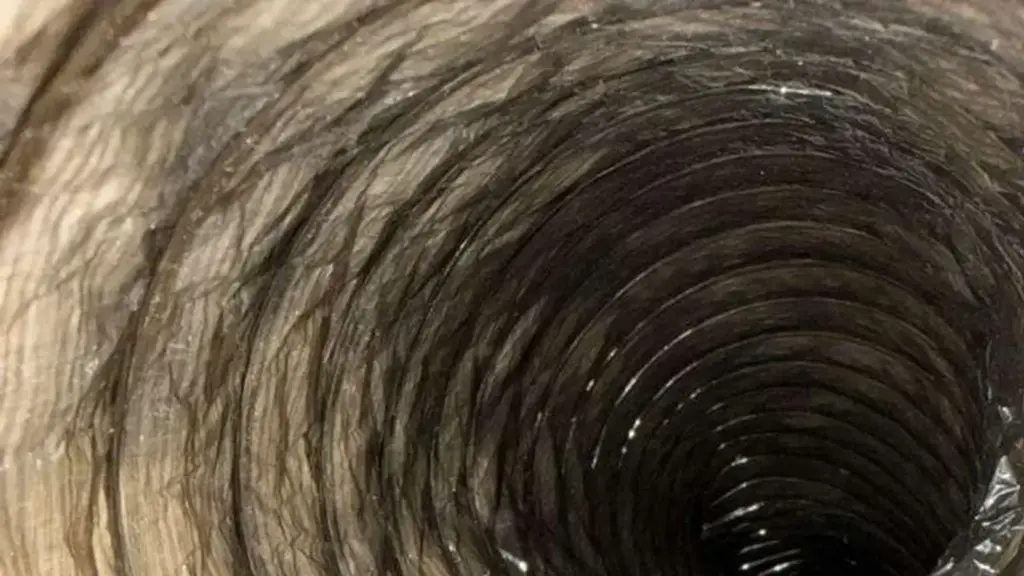
How Can You Tell If Your Tampa Home Has a Damaged Dryer Exhaust?
How can you tell if your dryer is struggling because of a simple lint clog or if there is physical damage hidden inside your walls? This is a question homeowners across the Hillsborough County area face when their laundry routines start taking twice as long. While many assume a slow-drying cycle simply means it is time for a routine sweep, physical deterioration in the venting system is incredibly common in our region. If your ductwork is crushed, disconnected, or leaking hot, moist air into your living spaces, a standard cleaning will not solve the underlying issue. Recognizing the signs of physical duct failure early can save you from high energy bills, mold growth, and unnecessary appliance wear.
The Warning Signs of Physical Dryer Exhaust Damage
When a dryer exhaust system fails structurally, it exhibits symptoms that go beyond typical lint accumulation. Homeowners often notice that the utility room or laundry closet feels unusually hot and humid during a cycle. This occurs because cracks, punctures, or separated joints in the metal or flexible ducting allow hot exhaust air to escape into the home instead of venting safely outdoors. You might also notice a musty odor developing in the walls or cabinetry surrounding the dryer path, which is a direct result of that trapped moisture condensing on cool drywall.
Another telling sign is the physical appearance of the transition hose, which is the flexible duct connecting the back of your appliance to the wall outlet. If this hose is visibly crushed, kinked, or twisted to fit into a tight laundry closet, the airflow is severely restricted. This restriction puts immense backpressure on the appliance, often forcing the internal thermal fuse to trip or causing the dryer cabinet itself to become scorching hot to the touch. When these physical disruptions occur, scheduling professional dryer vent repair is the most reliable way to restore proper system balance and safely vent the hot air outside.
Why Florida Climates and Building Styles Accelerate Vent Failures
The climate and residential construction styles in Tampa play a massive role in how dryer exhaust systems degrade over time. Many local homes, particularly those built during the suburban expansion of the late twentieth century, feature laundry rooms situated in the center of the floor plan. To vent these landlocked rooms, builders ran lengthy, winding exhaust lines through wall cavities, floor joists, or directly up into the attic space before exiting through the roof. These complex, hidden pathways are highly susceptible to sagging, joint separation, and physical damage that remains completely out of sight for years.
If you want it handled correctly the first time, consider professional dryer vent cleaning in Tampa.
Furthermore, our intense local heat and humidity accelerate the failure of common installation materials. In the past, builders and DIY enthusiasts frequently used standard duct tape or low-grade foil tape to seal exhaust joints. In a blistering hot attic, where temperatures easily soar past 130 degrees, these adhesives dry out, crack, and fail completely. This causes the joints to pull apart under the weight of the ductwork or from the vibration of the dryer. When joints separate in an attic, they dump gallons of moisture-laden air directly into your insulation, creating a perfect environment for localized mold development and structural rot. This is why understanding the specific hazards of restricted airflow is so critical for maintaining a dry, healthy home environment.
The Critical Difference Between a Clog and a Damaged Line
Distinguishing between a simple blockage and structural damage is essential for planning the right fix. A standard clog consists of accumulated fibers, dust, and pet hair that gradually narrows the airway. When a system is clogged but structurally sound, a thorough cleaning restores the line to peak performance. However, if the ductwork has collapsed, disconnected, or suffered a puncture from a poorly placed drywall nail, cleaning alone will not resolve the problem. In fact, attempting to run high-powered cleaning rods through a separated or fragile foil duct can actually worsen the tear, spreading lint deeper into your wall cavities.
A damaged line often presents with inconsistent performance, such as a dryer that works reasonably well on dry winter days but fails completely during humid summer months when the attic air pressure changes. You may also hear rattling, clicking, or vibrating noises inside your walls when the dryer runs, indicating that loose duct sections are banging against the studs. If you suspect that your ductwork has suffered physical structural failure rather than a simple blockage, it is wise to consult a specialist who can perform a camera inspection to pinpoint the exact location of the break before proceeding with any repair work. For those weighing their options, understanding the differences between a DIY approach and hiring a professional can be found in our guide on choosing a local dryer vent specialist.
Many Tampa homeowners rely on expert dryer vent cleaning in Tampa for exactly this.
What to Expect During a Professional Exhaust Restoration
When a professional technician addresses a damaged dryer exhaust, the process begins with a comprehensive diagnostic evaluation. Technicians use specialized pressure gauges to measure the airflow velocity at both the appliance connection and the outdoor terminal. A significant drop in pressure between these two points confirms that air is escaping through a break in the line. Video inspection cameras are then threaded through the ductwork to visually locate separated joints, crushed sections, or improper materials, such as restrictive plastic flexible hoses that violate modern building codes.
Once the damage is mapped, the restoration process involves replacing deteriorated sections with rigid aluminum ducting, which offers the smoothest interior surface and the least airflow resistance. Joint connections are secured mechanically with sheet metal screws and sealed using high-temperature foil tape or mastic sealant designed to withstand intense attic heat. If the line terminates in a problematic location, such as a soffit vent that allows damp air to blow back into the attic, the technician may reroute the line to a dedicated roof or wall cap equipped with a damper to prevent pests from entering. The result is a fully sealed, code-compliant path that allows your dryer to operate efficiently and safely.
Frequently Asked Questions
Can I use flexible plastic ducting to replace a damaged transition hose?
No, flexible plastic or vinyl ducting should never be used for dryer exhaust lines. These materials are highly flammable, easily crushed, and have ribbed interior walls that trap lint quickly, creating a severe fire hazard. Modern building codes require rigid metal or semi-rigid aluminum transition hoses to ensure safe operation.
Ready for the next step? Learn how dryer vent cleaning services in Tampa can help and reach out to the team.
How do I know if my dryer vent joint has separated inside the wall?
Common indicators of a separated joint inside a wall include a musty smell in the laundry room, drywall that feels warm or damp to the touch when the dryer is running, and a noticeable drop in the volume of air blowing out of the exterior vent cap despite the dryer running on high heat.
Will repairing a damaged dryer exhaust lower my monthly power bills?
Yes, repairing a damaged, leaky, or crushed dryer exhaust can noticeably reduce your energy consumption. When exhaust air is restricted, your dryer must run for multiple cycles to dry a single load, which wastes a substantial amount of electricity and places unnecessary strain on the appliance heating elements.
Keeping Your Home Safe and Efficient
A damaged dryer exhaust is more than a minor laundry inconvenience; it is an efficiency drain and a potential safety hazard for your household. Leaving separated joints or crushed lines unaddressed can lead to moisture damage in your walls, elevated indoor humidity, and premature appliance failure. If you notice signs of structural damage or suspect your ventilation system is not routing air correctly, taking action early is the best way to protect your property. Contact Ecovent Dryer Duct Solutions Tampa today to schedule an inspection and ensure your venting system is secure, compliant, and operating at peak performance.