
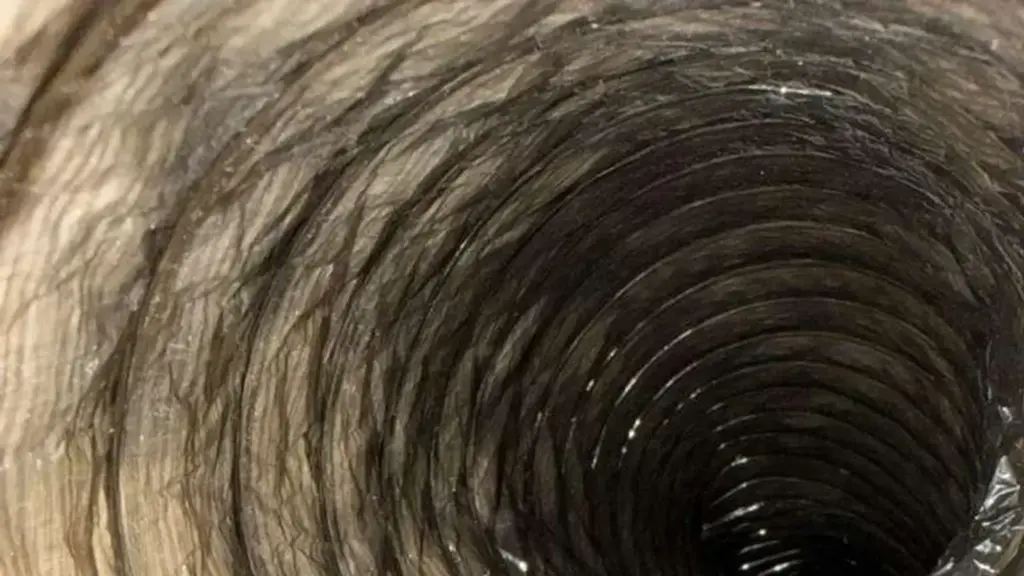
Why is Lint Building Up in Your Tampa Dryer Vent?
According to the National Fire Protection Association, nearly 17,000 home clothes dryer fires are reported each year, with the vast majority caused by a failure to clean out built-up lint. In the Tampa Bay area, this hazard is compounded by unique environmental factors that turn simple dryer dust into a stubborn, sticky paste. When warm, damp exhaust air collides with our regional climate, your laundry system has to work twice as hard to push air outside.
Homeowners in Tampa often wonder why their appliances require more frequent attention than those in drier parts of the country. Understanding how local conditions accelerate debris accumulation can help you keep your home safe and efficient. When severe blockages occur, they can stress the physical connections of your line, eventually requiring professional dryer vent repair to restore proper airflow and system integrity.
The Unique Mechanics of Tampa Lint Accumulation
Our coastal environment directly influences how materials behave inside your home. Because local homes are subjected to prolonged periods of high outdoor humidity, the air pulled into your dryer is already saturated with moisture. As your dryer heats up and moisture evaporates from your clothing, the exhaust stream becomes incredibly damp.
When this highly humid exhaust enters a long, winding duct path, it cools down. The moisture condenses on the interior walls of the metal ductwork, turning the smooth surface into a sticky trap. As loose fibers pass through, they adhere to these wet patches, creating layers of papier-mache-like buildup that restrict airflow much faster than dry lint would in an arid climate.
Tampa’s Architecture and Duct Challenges
The design of local residential construction also plays a major role in how debris settles. Many homes in neighborhoods like South Tampa, Seminole Heights, and Brandon feature concrete block construction, slab foundations, or multi-story floor plans that force laundry rooms into the interior of the home. This means the exhaust duct cannot simply vent through an immediate exterior wall.
Instead, these lines must travel through crawlspaces, up through vertical wall cavities, or across hot attic spaces to reach a roof cap. Long duct runs with multiple bends create high static pressure. Every 90-degree turn in a duct reduces its maximum allowable length and creates a natural landing zone where heavy, wet fibers can pool. Over time, these heavy deposits can pull joints apart, creating a need for professional vent line inspection and safety checks.
Myth: Cleaning the Lint Screen is Enough to Prevent Blockages
If you want it handled correctly the first time, consider professional dryer vent cleaning in Tampa.
Reality: The mesh lint screen inside your clothes dryer only traps about 70 to 80 percent of the fibers shed by your clothes. The remaining portion escapes past the filter housing, enters the internal blower wheel, and travels into the transition hose and wall ductwork. Over several months, these micro-fibers accumulate on the interior walls of your rigid or flexible ducts. Relying solely on the removable screen to protect your home is a recipe for restricted airflow, which places unnecessary strain on your appliance and increases energy consumption.
Myth: Flexible Foil and Vinyl Transition Hoses Are Safe for Permanent Wall Runs
Reality: Flexible plastic, vinyl, and thin foil transition ducts are highly flammable and restrict airflow due to their ribbed interior surfaces. Furthermore, building codes in Florida prohibit using these flexible materials inside walls, attics, or crawlspaces. Only rigid, smooth-walled metal ducting should be used for concealed runs, as it minimizes friction and prevents pockets of debris from settling. If your home has outdated foil or vinyl materials behind the drywall, you may need a professional vent line update to bring the system up to modern safety standards.
Myth: A Dryer Vent on the Roof Does Not Need Regular Maintenance
Reality: Roof-vented systems are actually the most vulnerable to severe blockages and physical damage in our region. Because the exhaust must travel upward against gravity, heavy wet fibers struggle to make the climb and often fall back down, settling in the lowest vertical sections of the pipe. Additionally, the roof terminal cap is exposed to intense sunlight, salt air, and heavy tropical rain, which can deteriorate the external damper flap. When the flap becomes stuck shut or clogged with debris, the entire system chokes, forcing hot air back into your laundry space.
Myth: You Can Safely Clean a Long or Vertical Duct Run with a DIY Drill Brush Kit
Reality: While DIY cleaning kits are widely available, using them on complex, multi-bend, or vertical duct runs carries significant risk. If the flexible rods are spun too fast or forced around a sharp bend, they can snap or detach inside the wall. Worse, the rotating brush head can easily puncture thin aluminum ducts or separate old, taped joints that have become fragile over time. Attempting to force a brush through a severe blockage often just packs the lint tighter, turning a soft clog into a solid plug that completely blocks all airflow.
Myth: All Lint Accumulation Looks the Same Inside the Line
Many Tampa homeowners rely on expert dryer vent cleaning in Tampa for exactly this.
Reality: The texture and density of the blockage vary dramatically based on your household habits and local climate. In homes with high-efficiency washers that do not spin dry efficiently, or in households that use liquid fabric softeners and dryer sheets, the buildup inside the duct becomes sticky, waxy, and dense. This heavy paste binds with pet hair and dust, creating a thick barrier that resists simple vacuuming. Standard dry lint is easy to dislodge, but this coastal, chemical-laden paste requires professional mechanical scrubbing to safely clear without tearing the underlying metal.
Myth: If the Dryer is Still Running, the Vent is Functioning Fine
Reality: Modern clothes dryers will continue to run even when their exhaust pathways are almost entirely blocked. However, they must run much longer and hotter to dry a single load. If you notice your clothes are still damp after a normal cycle, or if the top of the dryer cabinet feels hot to the touch, your system is struggling against a major restriction. Running an appliance under these conditions wastes electricity, degrades internal heating elements, and creates a significant thermal hazard behind your walls.
Frequently Asked Questions
How often should I have my dryer vent cleaned in Tampa?
For most households, a professional dryer vent cleaning tampa is recommended at least once a year. If you have a large family, wash heavy blankets frequently, or have a long duct run that vents through the roof, you may need the system cleared every six to nine months to maintain safety and efficiency.
Why does my laundry room feel hot and humid when the dryer is on?A humid, warm laundry room is a classic sign of a blocked or separated duct line. When the exhaust path is restricted by debris, or if a joint has disconnected behind the wall, warm, moist air escapes into your living space rather than being pushed outside. This extra moisture can contribute to mold growth on drywall and ceilings.
Do fabric softeners and dryer sheets affect lint buildup?Yes, liquid fabric softeners and dryer sheets leave behind a thin, waxy chemical residue on clothing and inside the dryer drum. This residue also coats the interior of your exhaust duct, making the walls stickier. This sticky layer traps passing fibers much faster, leading to rapid clogs compared to households that avoid these additives.
What is the difference between transition ducts and main duct runs?
The transition duct is the flexible connector that runs from the back of your appliance to the wall connection port. It should be made of UL-listed semi-rigid metal and be visible. The main duct run is the rigid metal pipe that travels inside your walls, ceiling, or attic to exit your home through the roof or an exterior wall.
Protect Your Home from Hidden Airflow Restrictions
Lint accumulation is an inevitable side effect of doing laundry, but our local humidity and complex architectural layouts turn it into an active maintenance challenge. Ignoring the warning signs of slow drying times, excess heat, and musty odors can lead to premature appliance failure and serious safety hazards in your home. Keep your system running smoothly by scheduling a professional inspection. For comprehensive duct care and maintenance, explore our full range of services at Ecovent Dryer Duct Solutions.