
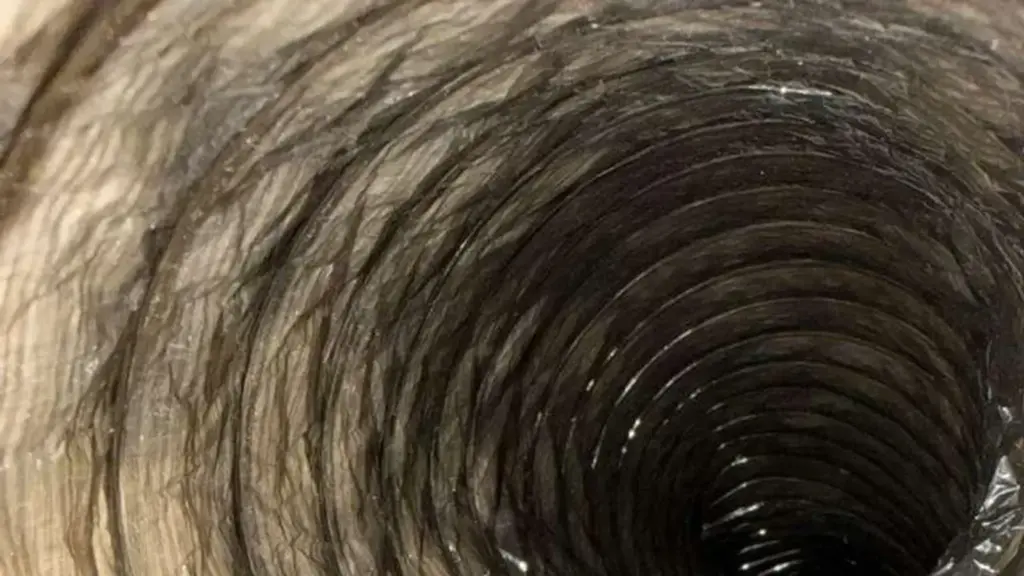
Dryer Vent Repair in Tampa: A Complete Guide to Diagnosing Hidden Duct Damage
You pull a load of towels out of the dryer after a full cycle, only to find them damp, warm, and smelling faintly of musty humidity. Many homeowners in Tampa assume this is a sign of an aging appliance and begin shopping for a replacement. However, the true culprit is almost always hidden behind the laundry room wall. Damp clothes, unusually long cycle times, and a laundry room that feels like a sauna are classic indicators that you need professional dryer vent repair to restore proper airflow and protect your property.
Your clothes dryer relies on unrestricted exhaust velocity to push hot, moisture-laden air completely out of your home. When that exhaust pathway is compromised by crushed foils, sagging lines, or separated joints, the system stalls. This comprehensive guide will help you understand the mechanics of your exhaust system, diagnose hidden physical damage, and determine when a simple cleaning is enough versus when structural repairs are necessary.
If you suspect your system is suffering from more than just a simple lint clog, you can explore our guide on dryer vent safety signs to identify immediate warning signals. For those ready to restore their system’s efficiency, scheduling a professional inspection with Ecovent Dryer Duct Solutions Tampa is the safest way to ensure your exhaust line meets modern building standards.
The Critical Difference Between Cleaning and Structural Repair
Many homeowners confuse routine maintenance with physical system restoration. While both are essential for maintaining system safety, they address entirely different issues within your exhaust line.
A standard service like removing heavy lint buildup focuses on clearing soft obstructions from an otherwise structurally sound duct. If your venting is made of rigid metal, properly sealed, and routed along the shortest path to the exterior, a thorough sweeping is generally all that is required to bring your drying times back to normal.
In contrast, structural repair addresses physical failures in the ductwork itself. No amount of cleaning brush rotation can fix a crushed transition hose behind the dryer, a sagging line in the attic that has filled with heavy condensation, or joint separations that leak damp air into your walls. Physical repairs require reconstructing sections of the line, replacing sub-standard materials with rigid metal, and ensuring airtight connections from the back of the appliance all the way to the exterior wall or roof cap.
Evaluating the Impact of Tampa’s Climate on Your Dryer Exhaust
The local climate in Tampa plays a massive role in how dryer exhaust systems degrade over time. High year-round relative humidity prevents damp lint from drying out quickly inside the line. Instead of blowing freely out of the exhaust hood, moist lint clings to the interior walls of the metal pipe, creating a sticky paste that hardens as it cools. Over time, this paste forms a restrictive crust that reduces the inner diameter of your ductwork.
Furthermore, a significant portion of local housing stock in neighborhoods like Carrollwood, South Tampa, and Brandon features dryer lines routed through hot attics or concrete slab foundations. During the summer, attic temperatures can easily exceed 130 degrees Fahrenheit. When hot, humid air from your dryer meets the intense heat of an unconditioned attic, it can cause rapid condensation inside any sagging sections of the duct.
If you want it handled correctly the first time, consider professional dryer vent cleaning in Tampa.
This trapped moisture creates several local challenges:
- Water-Logged Ducts: Sagging or flexible foil ducts in the attic can sag further under the weight of accumulated water, eventually tearing or disconnecting completely.
- Accelerated Joint Corrosion: Constant exposure to moisture causes metallic tape and steel screws to rust, leading to joint separations behind drywall.
- Pest Intrusion: Damp, warm lint venting near exterior soffits acts as an open invitation for local pests, including rodents and wasps, seeking shelter from the Florida heat.
Common Points of Failure in Residential Dryer Ducts
A dryer exhaust system is only as strong as its weakest joint. Because most of the ductwork is hidden within walls, ceilings, or crawlspaces, tracking down the exact source of a restriction requires understanding where these lines typically fail.
1. The Transition Duct (The Behind-the-Dryer Connection)
This is the flexible piece of pipe that connects the back of your appliance to the wall outlet. Because dryers are often pushed back to save space in tight laundry closets, this flexible foil or plastic hose frequently becomes crushed or kinked. A flattened transition duct restricts airflow right at the source, causing the appliance to overheat rapidly.
2. Sagging Attic Runs and Condensation Traps
When duct lines run across attic joists, they must be properly supported to maintain a continuous, straight slope toward the exit point. If the hangers are spaced too far apart, the duct will sag. These low spots act as traps where condensation and heavy wet lint accumulate, slowly choking off the airflow over several months.
3. Disconnected Joint Seams
Dryer ducts are made of individual metal sections joined together. Vibrations from normal dryer operation can slowly shake these connections loose if they were not properly secured with foil tape. Once a joint separates, the dryer discharges hot, moist air directly into your wall cavities or attic, creating a breeding ground for wood rot.
4. Broken or Stuck Exterior Vent Hoods
The exterior wall cap or roof jack is designed to let air escape while keeping pests and rain out. In our coastal climate, salt air and humidity can rust the hinges of damper flaps, locking them shut. Alternatively, plastic hoods can degrade under intense UV exposure, cracking and allowing birds or rodents to nest inside the pipe.
Diagnostic Steps: Is Your Ductwork Damaged?
Many Tampa homeowners rely on expert dryer vent cleaning in Tampa for exactly this.
You do not need specialized equipment to perform an initial assessment of your exhaust system. Homeowners can use this diagnostic checklist to determine if it is time to call for professional repair:
- Test the Airflow at the Exterior Hood: While the dryer is running on a high-heat cycle, walk outside and place your hand near the exhaust vent. You should feel a strong, warm breeze similar to the force of a hair dryer. If the airflow feels weak, cool, or non-existent, there is a blockage or a separation in the line.
- Inspect the Behind-the-Dryer Space: Carefully pull your dryer away from the wall and inspect the flexible transition duct. If you see plastic vinyl tubing or thin, unlisted foil, your system does not meet modern building codes and represents a fire hazard. Look for kinks, tears, or heavy dust accumulation on the floor around the connection.
- Monitor Your Drying Cycle Times: If a standard load of laundry consistently takes more than 45 to 50 minutes to dry completely, your system is struggling against high backpressure. Running multiple cycles to dry a single load wastes energy and puts unnecessary wear on your appliance heating elements.
- Check for Wall Heat and Humidity: Feel the wall behind or above your dryer while a cycle is running. If the drywall feels unusually hot to the touch or if you notice condensation forming on nearby windows, moist air is likely escaping from a disconnected joint inside the wall cavity.
Comparing Dryer Vent Repair Options
When correcting duct deficiencies, the materials used and the repair methods chosen will dictate how long the fix lasts. Below is a comparison of standard repair approaches to help you evaluate your options:
| Failure Point | Temporary Fix (Not Recommended) | Professional Standard (Permanent Repair) | Long-Term System Benefit |
|---|---|---|---|
| Transition Duct | Flexible vinyl or plastic tubing secured with duct tape. | Heavy-duty semi-rigid aluminum duct secured with mechanical worm-gear clamps. | Resists crushing, prevents flame spread, and maintains maximum airflow. |
| Attic Duct Sagging | Propping up the line with loose insulation or wires. | Rigid galvanized steel pipes supported by metal strapping every four feet. | Eliminates water traps and ensures a direct, downward-sloping exhaust path. |
| Separated Joint | Wrapping the joint in standard grey fabric duct tape. | Overlapping the joints in the direction of airflow, secured with UL-listed foil tape. | Prevents moisture leakage into walls and resists drying out from exhaust heat. |
| Damaged Wall Cap | Leaving a broken flap open or placing a mesh screen over it. | Installing a spring-loaded, pest-resistant damper hood with a magnetic closure. | Prevents bird nesting, blocks drafting wind, and keeps out high humidity. |
The Importance of Professional Repair and Installation standards
Correcting structural issues within your exhaust line requires strict adherence to safety standards. Modern building codes dictate that dryer exhaust systems must be constructed of rigid, smooth-walled metal ducting with a minimum diameter of four inches. The interior of the pipe must be completely smooth, meaning no sheet metal screws should penetrate the inside of the duct, as these screws act as hangers that catch lint and spark blockages.
Furthermore, residential code limits the maximum run of a dryer duct to 35 feet, with deductions made for every 45-degree and 90-degree bend. For complex architectural layouts where the laundry room is located in the center of the home, calculating these equivalent lengths is crucial to prevent backpressure overload.
When you hire a technician for professional dryer vent restoration, they will perform a pressure test to measure the exact resistance inside your line. This ensures that any new repairs or custom preventative duct installations deliver the precise airflow velocity required by your specific appliance brand.
Ready for the next step? Learn how dryer vent cleaning services in Tampa can help and reach out to the team.
If you are experiencing persistent performance issues, we invite you to read our detailed analysis on factors that influence duct maintenance costs to better plan your next steps. Ensuring your system is professionally repaired not only protects your home from fire risks but also dramatically reduces your monthly energy consumption.
Frequently Asked Questions
Can I use flexible plastic foil hoses for my dryer vent?
No, flexible plastic or vinyl hoses do not comply with modern residential building codes. They are highly flammable, restrict airflow due to their ribbed interior walls, and easily trap lint, which significantly increases your risk of a dryer fire.
How long should a standard dryer vent repair take?
Most standard repairs, such as replacing a transition duct or securing a loose joint in an accessible attic, can be completed in one to two hours. More complex routing issues that require cutting into drywall or crawling through tight crawlspaces may take half a day.
Why is water dripping from my dryer vent line?
Water dripping from your line indicates that hot, moist exhaust air is condensing inside the pipe before it can exit the home. This usually happens because the duct is uninsulated as it passes through a cold space, or because a sag in the line is trapping condensation.
How can I tell if my dryer vent is disconnected behind the wall?
Common signs of a disconnected wall duct include a moldy or musty smell in your laundry room, damp drywall near the dryer path, a sudden drop in exhaust airflow at the exterior wall cap, and an unusually dusty home environment.
Secure Your Home with Reliable Dryer Vent Services
A damaged or improperly installed dryer vent system is more than just an inconvenience; it is a major energy drain and a serious safety hazard. If your clothes are taking forever to dry, or if you suspect your ductwork has suffered structural damage, do not wait for the problem to worsen. Our team specializes in precision dryer vent repair, helping homeowners restore optimal airflow and peace of mind.
Contact Ecovent Dryer Duct Solutions Tampa today to book your professional inspection. Let us ensure your dryer exhaust system is safe, efficient, and fully compliant with local building standards.